

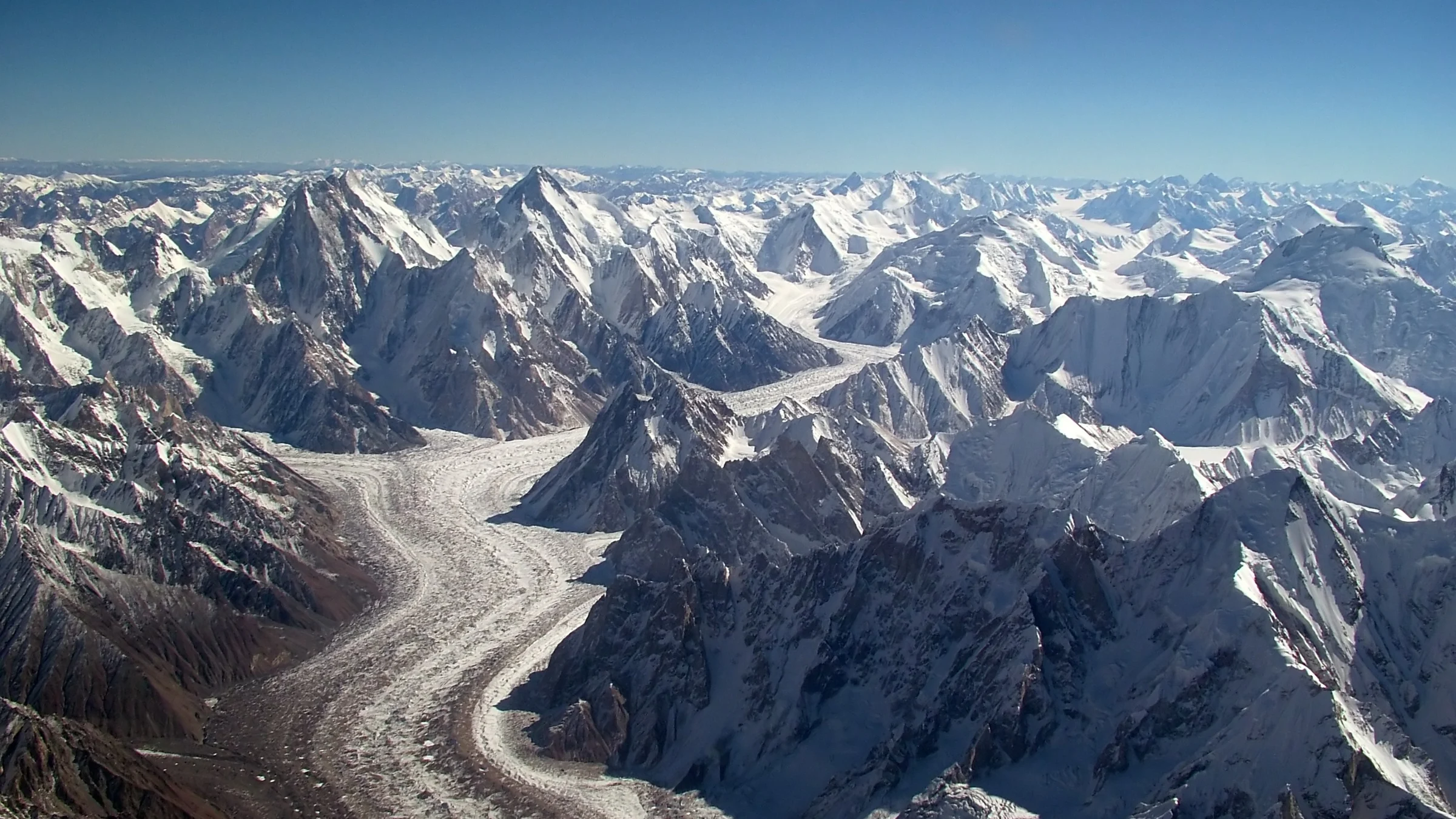
Exceeding 1.5 degrees Celsius of global warming will have “irreversible” consequences for glaciers, sea ice and the Earth’s other frozen regions, two UN reports warned on Monday, calling for urgent action, AFP reported.
The 2015 Paris Agreement commits countries to keep warming well below 2C and to pursue efforts to hold it at 1.5C. One of the new reports said overshooting 1.5C “will bring large-scale and in many cases irreversible impacts” for the cryosphere, the term for Earth’s ice in all its forms.
Today’s warming is already too high for ice
The reports say even the 1.5C target is too high for the cryosphere. Current levels of warming are “already unsafe” for the Arctic, Antarctic, mountain glaciers and polar oceans, they warn. “Although returning to 1.5 C will slow ice loss, a truly ‘safe’ temperature for Earth’s ice is now thought to be closer to 1C or even below over the coming centuries,” one report said.
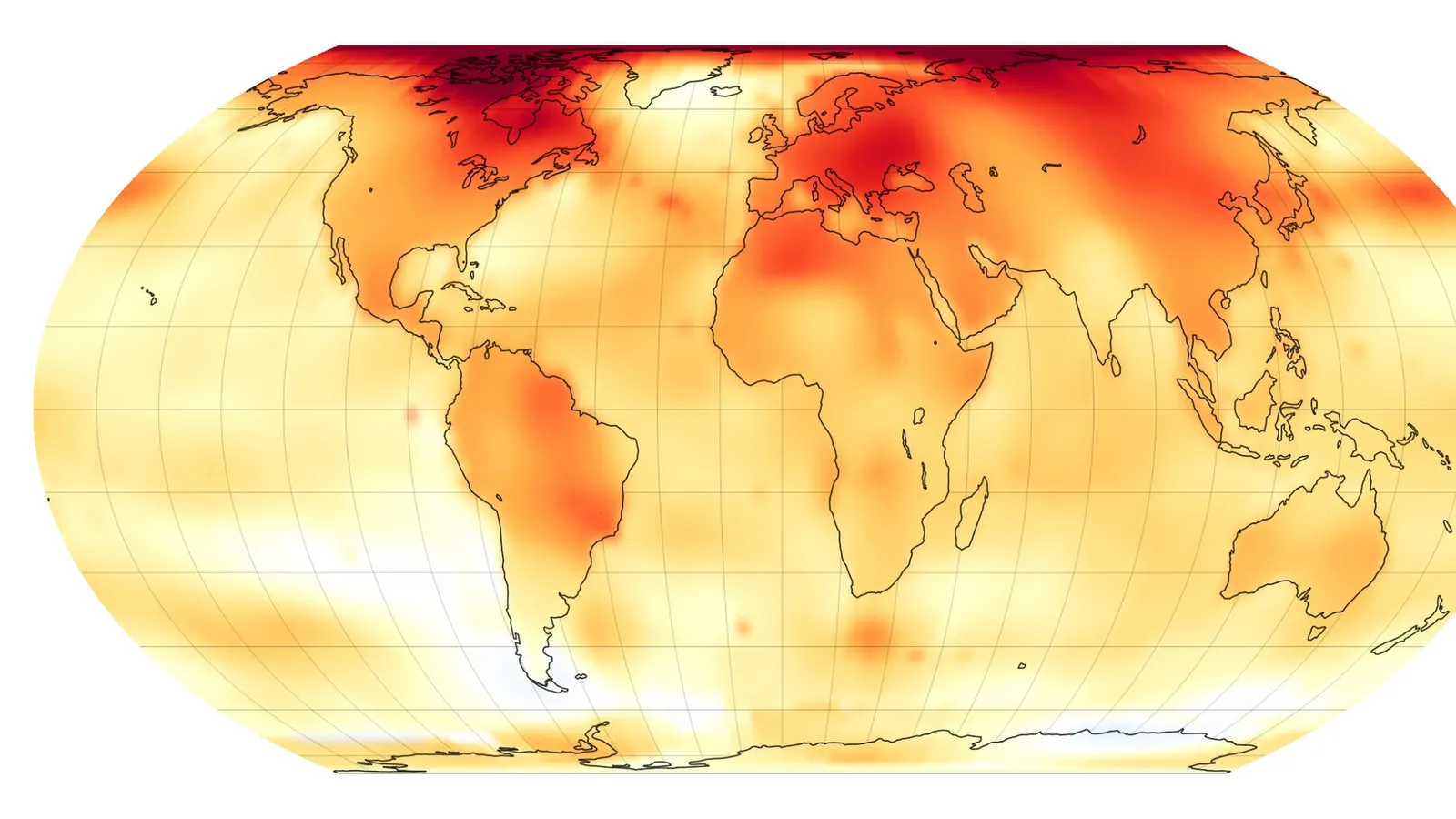
Global warming has already reached 1.37C above pre-industrial levels, and the European Copernicus network says the 1.5C threshold could be passed around 2030. Some effects are already visible, such as the 20 per cent loss in glacial mass in Switzerland.
“There are no good outcomes in exceeding 1.5C,” said glaciologist James Kirkham, the lead author of one report, “Overshoot and the Cryosphere”, which was written with 80 scientists. “To contain the global fallout and damage from ice loss in the world’s polar and mountain regions, overshoot needs to be kept to the absolute minimum. Every extra fraction of a degree and every year spent in overshoot means more devastating impacts.”
What could happen
The loss of glaciers and sea ice, the thawing of permafrost and rising seas will have widespread effects, from flooding to water shortages. Scientists warn in particular about crossing certain tipping points, and say that even if temperatures later fell back below 1.5C, recovery would be very slow. Oceanographer and climatologist Matthew England of the University of New South Wales said it could take “decades to centuries”.
The second report, “State of the Cryosphere 2026. The Cost of Overshoot”, looks at warming beyond that level. It finds that exceeding 2.8C into the next century could be very costly:
- Sea levels: they could rise by up to five centimetres a year by 2150, compared with about 0.45 centimetres a year now.
- Permafrost: its thaw could release as much carbon dioxide each year as the United States, the world’s second-largest polluter.
A worst-case, “not-so-improbable” scenario is that the world is heading for 2.6C of warming by 2100 even if countries meet their climate commitments.
Not all is lost
Reducing warming to under 1.5C, and even to 1C, could allow some glaciers to partly regenerate and might benefit sea ice. “Temporarily exceeding 1.5C does not mean that the goals of the Paris Agreement are irrelevant but instead makes them more urgent,” Kirkham argued, adding that returning to 1.5C or below by 2100 remains possible with enough political ambition and urgency, notably a faster move away from fossil fuels.
Why this matters in Pakistan
The country’s northern mountains hold thousands of glaciers, and the Indus river system that feeds much of its farmland and cities depends on seasonal melt. The reports are global and the AFP account does not mention Pakistan, so we do not claim specific figures for it. But the warning that mountain glaciers are already under strain, and that losses cannot easily be reversed, applies to the Karakoram and Himalaya as well as to the Alps. For Pakistan, which has faced severe floods and water stress, the point is that planning for water supply, flood protection and adaptation cannot wait for a global agreement.
What we know, and what we don’t
- Known: two UN reports warn of irreversible ice loss beyond 1.5C, and warming is 1.37C now.
- Known: the projections are from scientists and are scenarios, not forecasts of what will certainly happen.
- Unknown: whether countries will cut emissions fast enough to avoid overshoot; commitments currently point to around 2.6C by 2100, according to the worst-case scenario in the reports.
- Unknown: how the findings will be used in coming climate negotiations; the AFP report does not say.
Why it matters
Ice loss is slow, but its effects, higher seas and fewer glaciers feeding rivers, are hard to undo once they begin. The reports argue that 1.5C is no longer a safe ceiling for ice but a minimum to hold, and that every year spent above it deepens the damage. The message for governments is that the cost of delay is paid in ice that does not return.
This article draws on reporting by Dawn, citing AFP.
Comments
Comments are reviewed by our editors before they appear. Please keep them civil and on topic. See our terms.
No comments yet. Be the first to share your view.