World
2026 on track to be the second-hottest year, EU climate monitor says
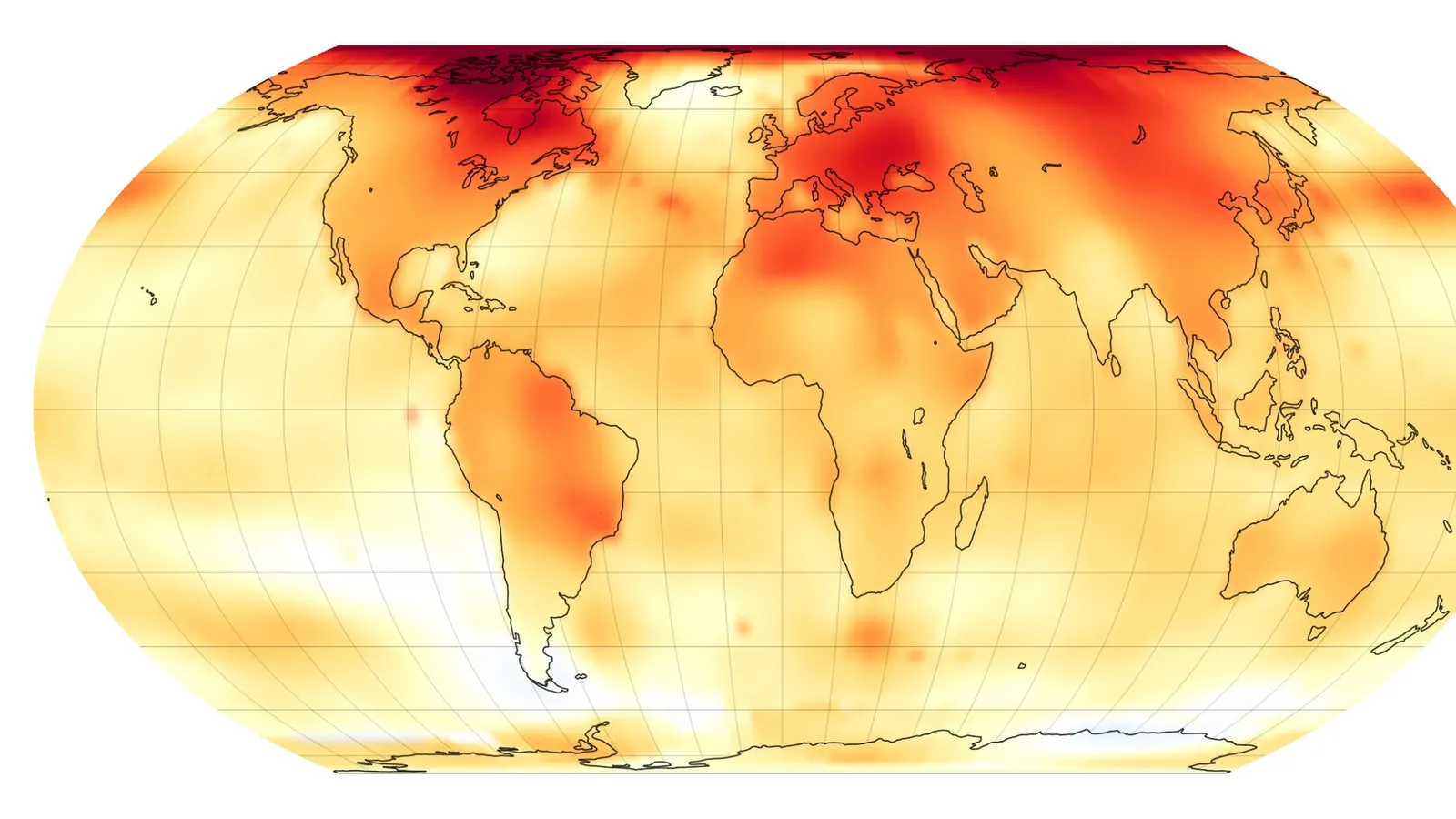
Copernicus says 2026 will most likely be the second-hottest year on record, after the warmest October ever at 1.75C above pre-industrial levels.
Climate change: 9 The Indus Compass stories. Latest: 2026 on track to be the second-hottest year, EU climate monitor says. Key developments, background and…
9 stories on climate change since 5 October 2026; the latest was published on 7 November 2026.
Copernicus says 2026 will most likely be the second-hottest year on record, after the warmest October ever at 1.75C above pre-industrial levels.
Two UN reports warn that passing 1.5C of warming will irreversibly damage glaciers, sea ice and permafrost, and that today's level is already unsafe.
In its first global assessment, the IUCN says 96pc of shallow-water coral reef systems face an extremely high risk of collapse by 2075 due to climate change.
China exported over $2bn of water purifying machinery in 2025, as shrinking supplies at home push it to build desalination and sell the technology abroad.
Tharparkar families are migrating with their livestock as crops fail, after Pakistan's hottest monsoon in 66 years left Sindh 51pc short of normal rain.
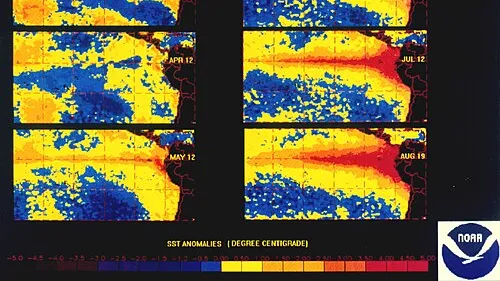
Copernicus said Pacific temperatures in a key El Nino zone hit an all-time high in September, and 2026 and 2027 could both break global heat records.
The WMO said El Nino will strengthen until a December peak and could be one of the strongest since 1950, with Pacific temperatures forecast to hit records.
Date workers in Khairpur, which grows over half of Pakistan's dates, start at 2am to escape the heat, but say rising temperatures are making them sick.
Shorter winters, drying springs, flash floods and heavy reliance on timber are putting farming and centuries-old Kalash culture in Chitral under pressure.