

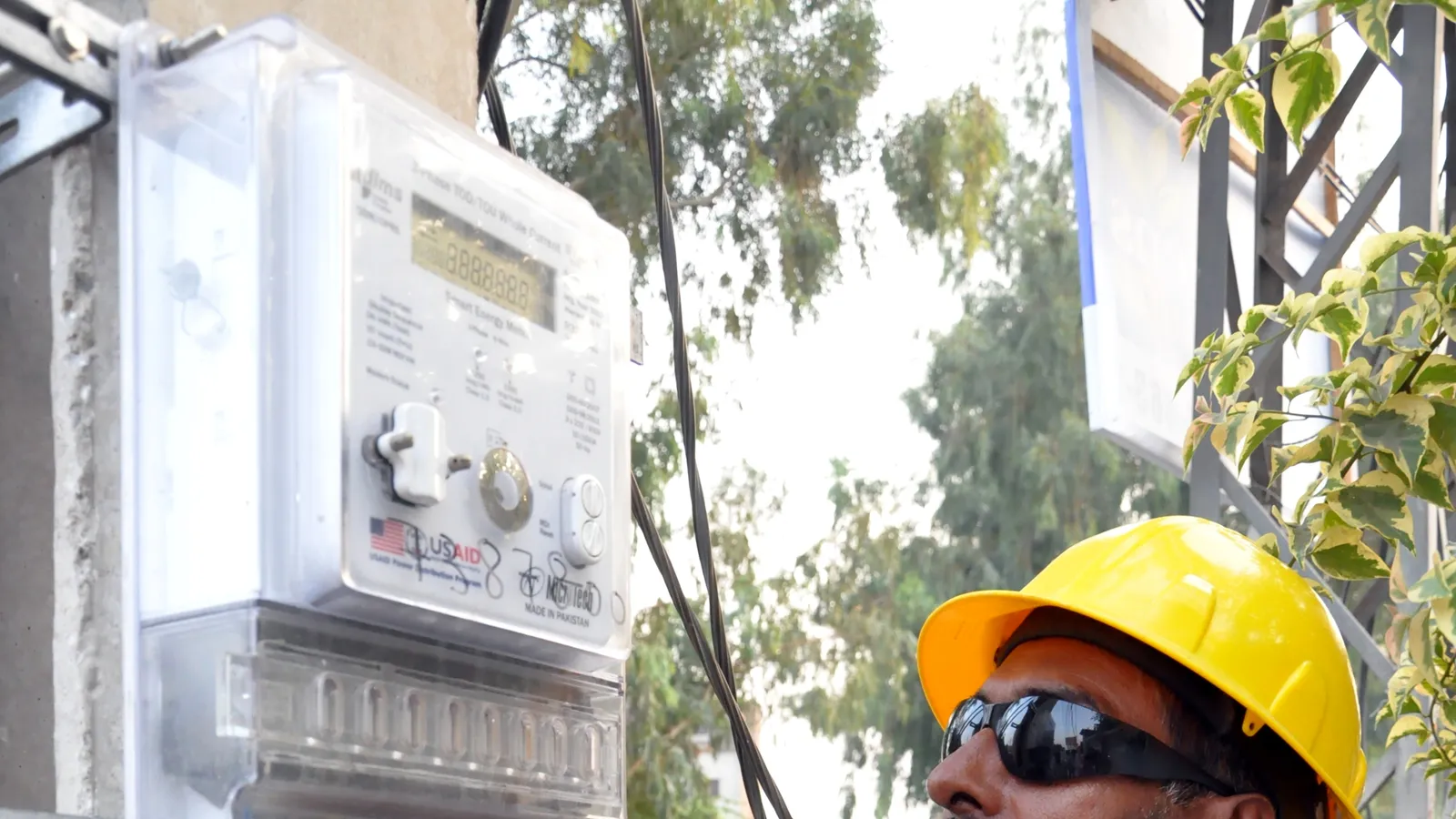
Electricity consumers across Pakistan could pay Rs1.73 more for every unit they used in August, after the Central Power Purchasing Agency (CPPA) asked the regulator to pass on higher generation costs, a move that would add Rs29.5 billion to bills.
The National Electric Power Regulatory Authority (Nepra) heard the request on Tuesday, September 30, and reserved its decision until it has reviewed the financial data, The Express Tribune reported. The increase would apply to all consumers, including those supplied by K-Electric.
Why bills could go up
The increase is a fuel cost adjustment, the monthly mechanism that passes on the difference between what electricity actually cost to generate and the “reference” price built into the tariff:
- Electricity generated in August: 14.464 billion units
- Average cost of production: Rs8.82 a unit
- Reference price: Rs7.0998 a unit
That gap of about Rs1.72 a unit is what the CPPA wants to recover.
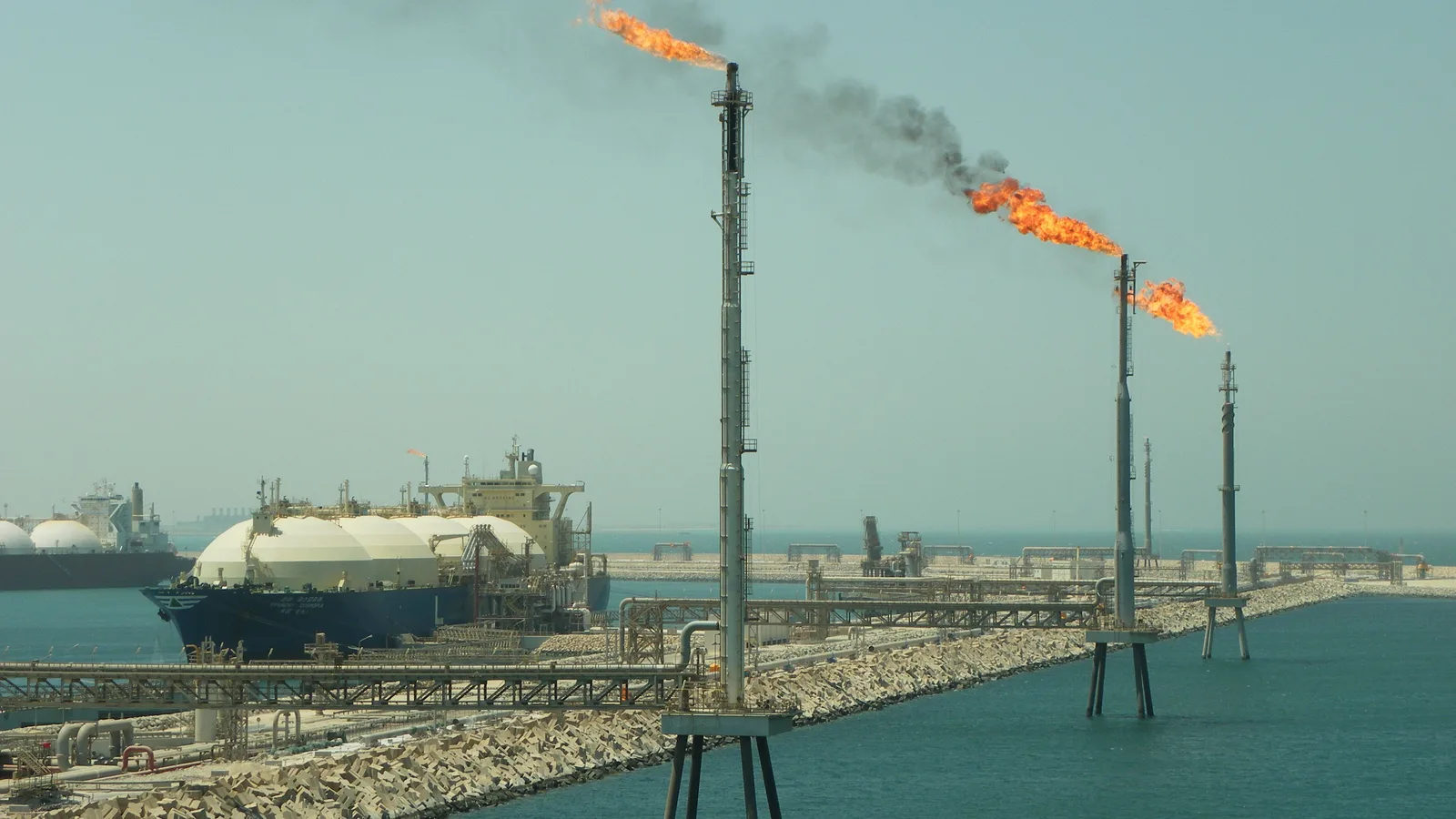
Dawn put the extra charge at about Rs25 billion, to be added to October bills. It reported that the increase would have been Rs2.53 a unit, or about Rs35 billion, without a government subsidy: imported gas (RLNG) was supplied to power plants at Rs2,000 per mmBtu, against a typical Rs6,000.
Where the money goes
Of the Rs29.5 billion, about Rs20.71 billion is linked to independent power producers (IPPs). Other items in the claim include:
- Chashma nuclear plant (C2): Rs1.32 billion
- Power plants running on imported gas (RLNG): Rs10.62 billion, provisionally, for July and August together
What generated August’s power
Hydropower produced the largest share of electricity in August, but costlier fuels still made up much of the mix:
- Hydropower: 37.84 percent
- Imported coal: 15.59 percent
- Local coal: 10.86 percent
- Imported gas (LNG): 8.48 percent
- Local gas: 7.04 percent
The mix went against plans in costly ways, Dawn reported:
- Hydropower, which has no fuel cost, supplied 38 percent against a target of 41 percent
- Nuclear supplied 10 percent against a target of 16.4 percent, and its cost rose to Rs3.15 a unit
- Imported coal supplied 15.6 percent against a planned 7.4 percent, at about Rs17 a unit
- RLNG power cost Rs45.93 a unit and furnace oil power Rs45.25 a unit, compared with Rs5.5 a unit for local coal
With the war between the United States and Iran pushing up the price of imported fuel since February, power from imported coal and gas has become more expensive to produce.
Another burden on households
The request comes as consumers are already dealing with higher fuel prices. Petrol, although cut twice in the past two days to Rs387.54 a litre, is still far above its price of Rs266 in early March, and the government is paying a fuel subsidy to millions of motorcyclists and small-car owners.
What happens next
Nepra will decide how much of the request to approve after examining the data. If approved, the adjustment would appear as an extra charge on consumers’ bills. Separately, Nepra will hold a hearing on October 5 on the incremental tariff package for industry, a rate of Rs22.96 a unit introduced in December 2025 that industry representatives say has not helped most businesses.
Why it matters
Fuel cost adjustments are a common complaint among consumers, because they are added to bills after the power has already been used. An extra Rs1.73 a unit would add noticeably to household and business costs at a time when prices are already high. Read our report on the latest cut in petrol prices.
This article draws on reporting by The Express Tribune and Dawn.

Comments
Comments are reviewed by our editors before they appear. Please keep them civil and on topic. See our terms.
No comments yet. Be the first to share your view.