
The Punjab Revenue Authority (PRA) and the World Bank have agreed to modernise the province’s tax system with advanced digital tools, in a bid to widen the tax base and increase revenue collection.
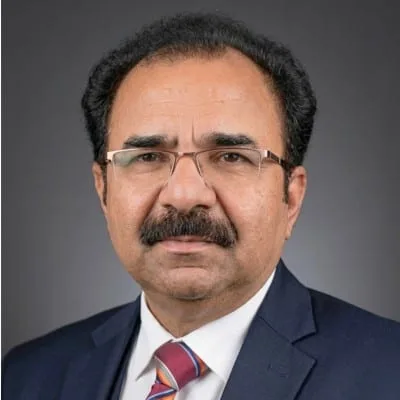
The agreement was reached at a meeting between PRA Chairman Moazzam Iqbal Sipra and a World Bank team led by Regional Director Michael Roggi and Manager Sylvia Solf, Dawn reported on Tuesday.
What the plan involves
Under the agreement, the two sides will work together on several digital initiatives:
- Linking government data. Records held by different government departments will be integrated to improve tax collection.
- Spotting evasion. Digital databases will be used to identify tax evasion and discrepancies in business records.
- Data analytics. The PRA will use analytics aligned with international standards.
- World Bank support. The bank will provide technical assistance and funding.
The PRA and the Punjab Information Technology Board (PITB) will jointly draw up a working plan for the digital reforms, with technical support from the World Bank.
‘Bring new businesses into the tax net’
Sipra said the aim was to reach businesses that are currently outside the system.
“Digital tools will be utilised to expand the tax base and bring new businesses into the tax net,” he said.
What the PRA does
The PRA is the province’s tax collector for services. Under Pakistan’s Constitution, the collection of sales tax on services was given to the provinces, and in Punjab this is handled by the PRA, while the federal government, through the Federal Board of Revenue, collects sales tax on goods.
Services taxed by provinces cover a wide range of businesses, from restaurants and hotels to telecom, banking, construction, advertising and professional services. The new tools are meant to find businesses that are not registered, and to check the records of those that are, by comparing them with data held by other departments.
PITB’s role
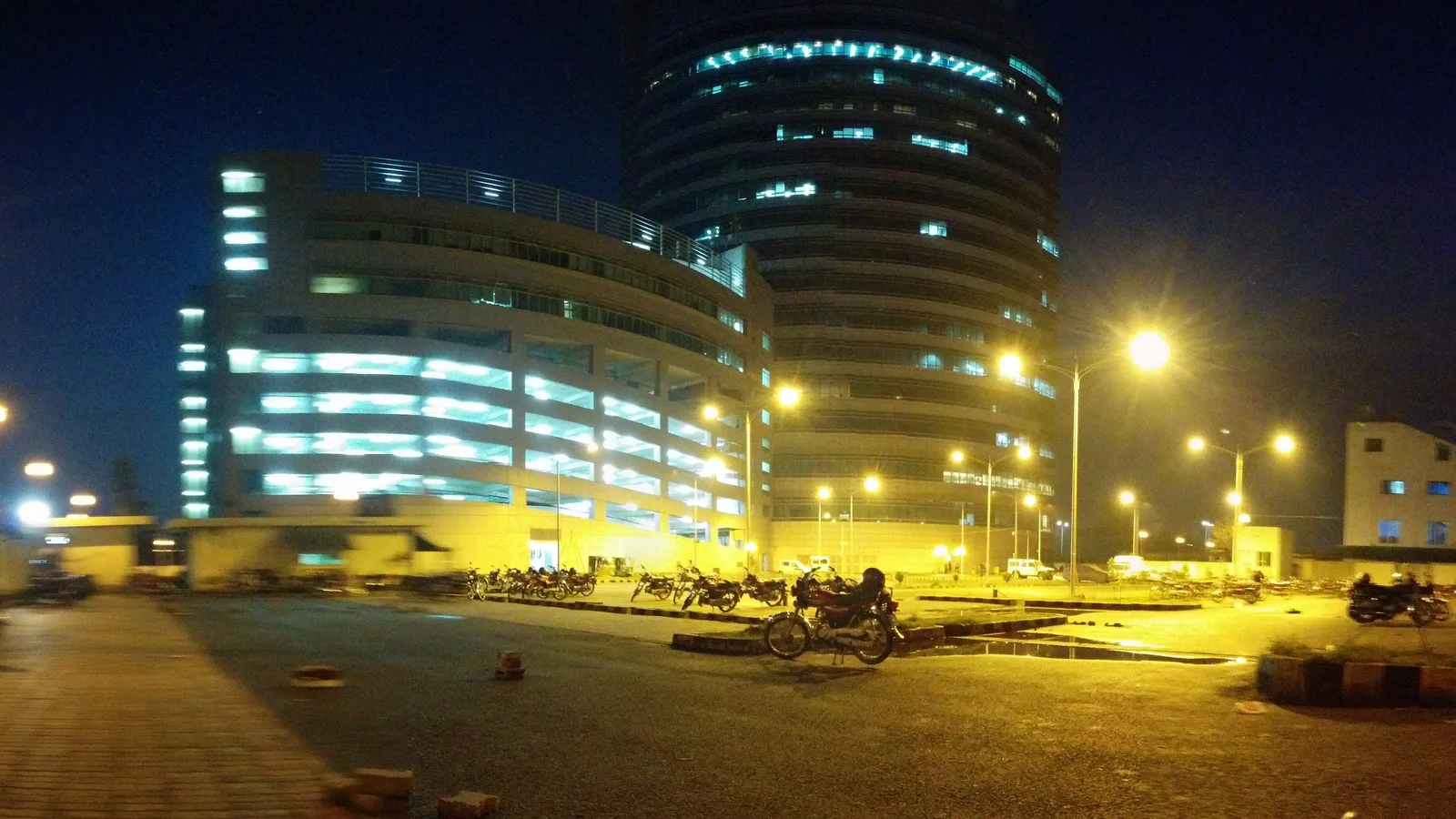
The Punjab Information Technology Board, based at Lahore’s Arfa Software Technology Park, is the provincial government’s technology arm and has built many of Punjab’s digital public services. It will now work with the PRA on the plan for the new tax tools.
Part of a national push
The agreement comes during a week of tax reforms at the federal level. On Monday, the FBR ended sales tax and digital invoicing on factory-to-warehouse transfers to curb harassment of taxpayers, and last week it set up a National Faceless Centre for audits. An International Monetary Fund mission in Islamabad has also met the finance secretaries of Punjab and Khyber Pakhtunkhwa as part of its review of Pakistan’s loan programme.
What comes next
No revenue targets or timelines were announced at the meeting. The next step is the working plan to be drawn up by the PRA and PITB, which should set out which systems will be built first and how data from other departments will be shared.
Why it matters
Widening the tax base, rather than raising rates on those who already pay, is a goal shared by both the provincial and federal governments. If the PRA can use government data to find businesses that are not paying, Punjab could raise more revenue from the same tax rates. The World Bank’s backing adds money and expertise, but the real test will be whether the new tools lead to more taxpayers on the PRA’s books.
This article draws on reporting by Dawn and earlier coverage by The Indus Compass.
Comments
Comments are reviewed by our editors before they appear. Please keep them civil and on topic. See our terms.
No comments yet. Be the first to share your view.