

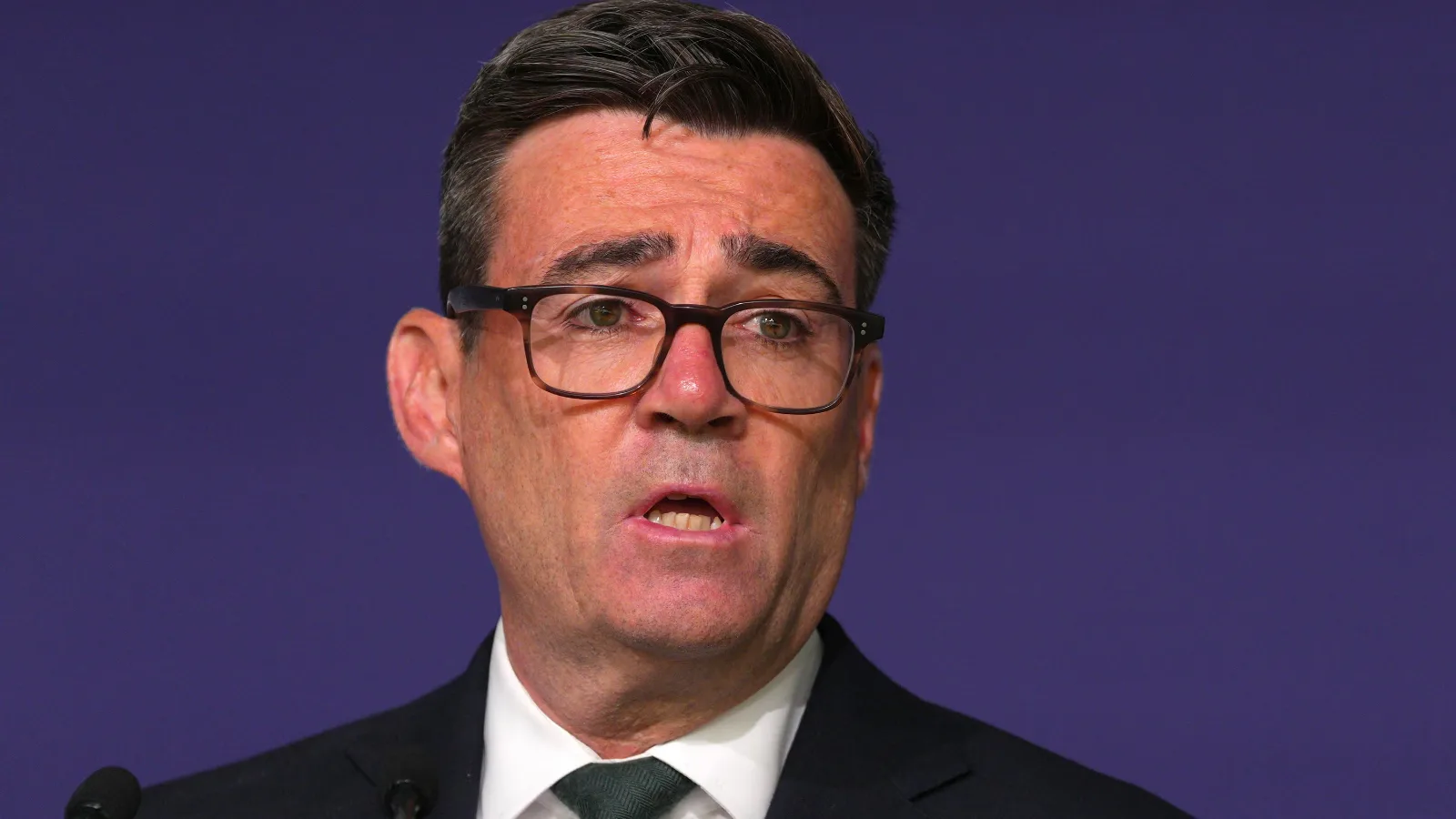
Andy Burnham will use his first Labour conference speech as prime minister to announce plans for a new state owned company aimed at fixing bottlenecks in Britain’s electricity grid, tying the initiative to a fresh government target of matching European energy prices within ten years.
Addressing delegates in Liverpool on Tuesday, Burnham is expected to unveil the body under the name Great British Grid, positioning it as a direct response to what he calls a crippling cost crisis facing British businesses. Government briefings ahead of the speech describe the company’s core function as increasing competition for grid connection projects, work currently handled exclusively by three private firms that own and operate the national transmission network. Labour says the new body will compete directly for those connection contracts while also helping companies awaiting grid access finance their own connection infrastructure, with the state backed entity able to co-invest in qualifying projects.
Officials have been careful to note that full operational and structural details of Great British Grid remain unfinished, though the funding source has already been settled: the project will draw from the existing budget of GB Energy, the state green investment vehicle Labour launched last year and based in Aberdeen. Burnham intends to present the announcement as the opening move in a wider strategy of expanding public ownership across Britain’s utility sector, a pledge that featured prominently in his successful bid for the Labour leadership over the summer.
The timing reflects mounting pressure on Britain’s grid infrastructure as the country shifts its electricity generation away from large centralized fossil fuel plants toward dispersed renewable sources like offshore wind. That transition demands a substantial overhaul of transmission infrastructure that in many cases predates the renewable energy era entirely. Regulator Ofgem projects the grid will need seventy billion pounds in investment between 2025 and 2031, nearly quadrupling current spending levels, while a National Audit Office review published earlier this month found that both the volume of projects stuck waiting for grid connections and the length of associated delays have been rising sharply.
Burnham is expected to describe Great British Grid as a tool for reforming what he will call a broken energy market, telling delegates the added competition will lower costs and accelerate connection timelines for businesses seeking to expand. He plans to hold up the initiative as concrete proof of what expanded public control can deliver in practice, rather than simply as a matter of political principle.
Beyond the grid announcement, Burnham is set to frame his broader speech around a promise of blunt, transparent leadership, telling activists he had initially planned a conventional, crowd pleasing conference address before concluding that circumstances called for something more serious. Hope has served as the unifying theme of this year’s four day Labour conference, unfolding just weeks ahead of a challenging budget statement, one made more difficult by a recent rise in the cost of British government borrowing. Burnham has also committed to laying out, ahead of Tuesday’s remarks, how his government would pay for a pledge to offer free social care to every resident of England, a policy he hopes to campaign on at the next general election, due by August 2029 at the latest, with a rollout beginning in 2030 if implemented.
That funding question has fueled speculation that Burnham could use the speech, or the surrounding budget process, to open the door to reviewing the state pension’s triple lock guarantee, which raises payments annually in line with whichever is highest among 2.5 percent, inflation, or wage growth. Analysts expect the mechanism to become substantially more expensive as Britain’s population ages further. Downing Street has so far avoided confirming or denying whether any formal review is being considered internally, even as ministers publicly maintain that the current parliament’s manifesto commitment to the triple lock remains intact. Chancellor John Healey notably stopped short of extending that guarantee to the next election manifesto during a BBC radio interview Monday, saying only that the manifesto would reflect the circumstances at the time it is written. Unite union general secretary Sharon Graham responded by warning that abandoning the triple lock would amount to political suicide for Labour.
Burnham’s decision to pair a tangible infrastructure pledge with more difficult, unresolved questions over social care funding and pension policy suggests his government is attempting to demonstrate delivery on cost of living concerns while still navigating the harder fiscal trade offs that next month’s budget will force into the open.


Comments
Comments are reviewed by our editors before they appear. Please keep them civil and on topic. See our terms.
No comments yet. Be the first to share your view.