
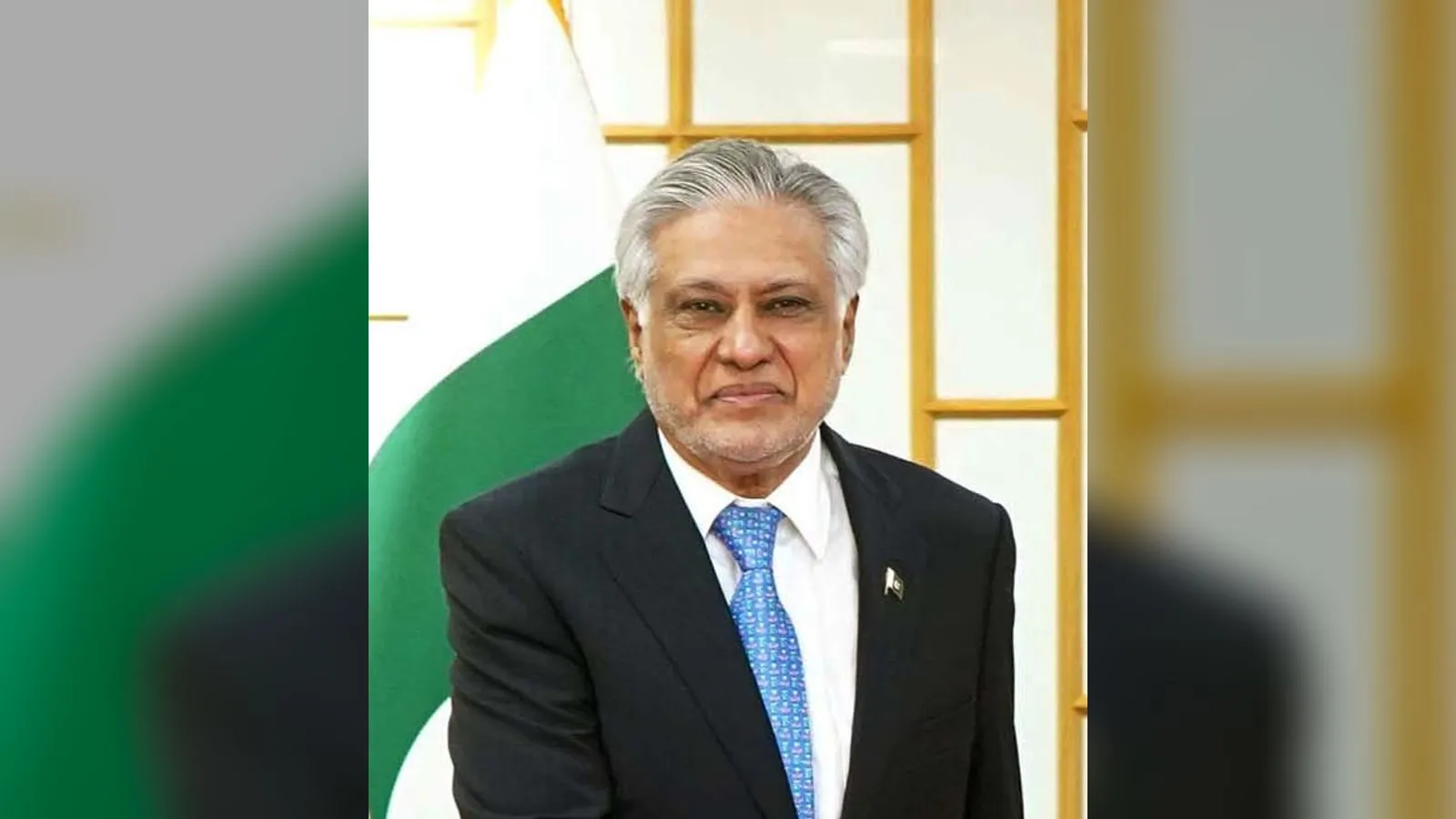
About 7.6 million people have registered for the government’s fuel relief scheme for owners of motorcycles, rickshaws and small cars, Deputy Prime Minister Ishaq Dar’s office said on Tuesday, as he praised the rollout as an example of a “whole of government” approach.
Dar chaired a meeting of the National Steering Committee on Fuel Subsidy to review how the Prime Minister’s Fuel Relief Scheme was working, Dawn reported. The scheme was launched across the country on September 17.
How the scheme works
The relief is aimed at the people hit hardest by the rise in fuel prices:
- Motorcycles and rickshaws: a subsidy of Rs100 per litre on up to 20 litres a month
- Cars up to 800cc: the same Rs100-per-litre subsidy on up to 30 litres a month
By Tuesday, around 7.60 million registrations had been made, and 7.71 million tokens had been redeemed, with the token redemption process now in its second week, Dar’s office said.
“Concerted” efforts
Dar said the information, IT and petroleum ministries, the Oil and Gas Regulatory Authority (Ogra), the State Bank of Pakistan and all the provinces had made “concerted” efforts to deliver the scheme. He “stressed the need for continued coordination to facilitate beneficiaries and ensure smooth service delivery across the country”, according to the statement.
The meeting was attended by IT Minister Shaza Fatima Khawaja, Information Minister Attaullah Tarar, Tariq Bajwa, the prime minister’s special assistant on the deputy prime minister’s office, federal and provincial secretaries, and officials from the State Bank, Ogra, the National Information Technology Board and the Pakistan Digital Authority.
Why fuel became so expensive
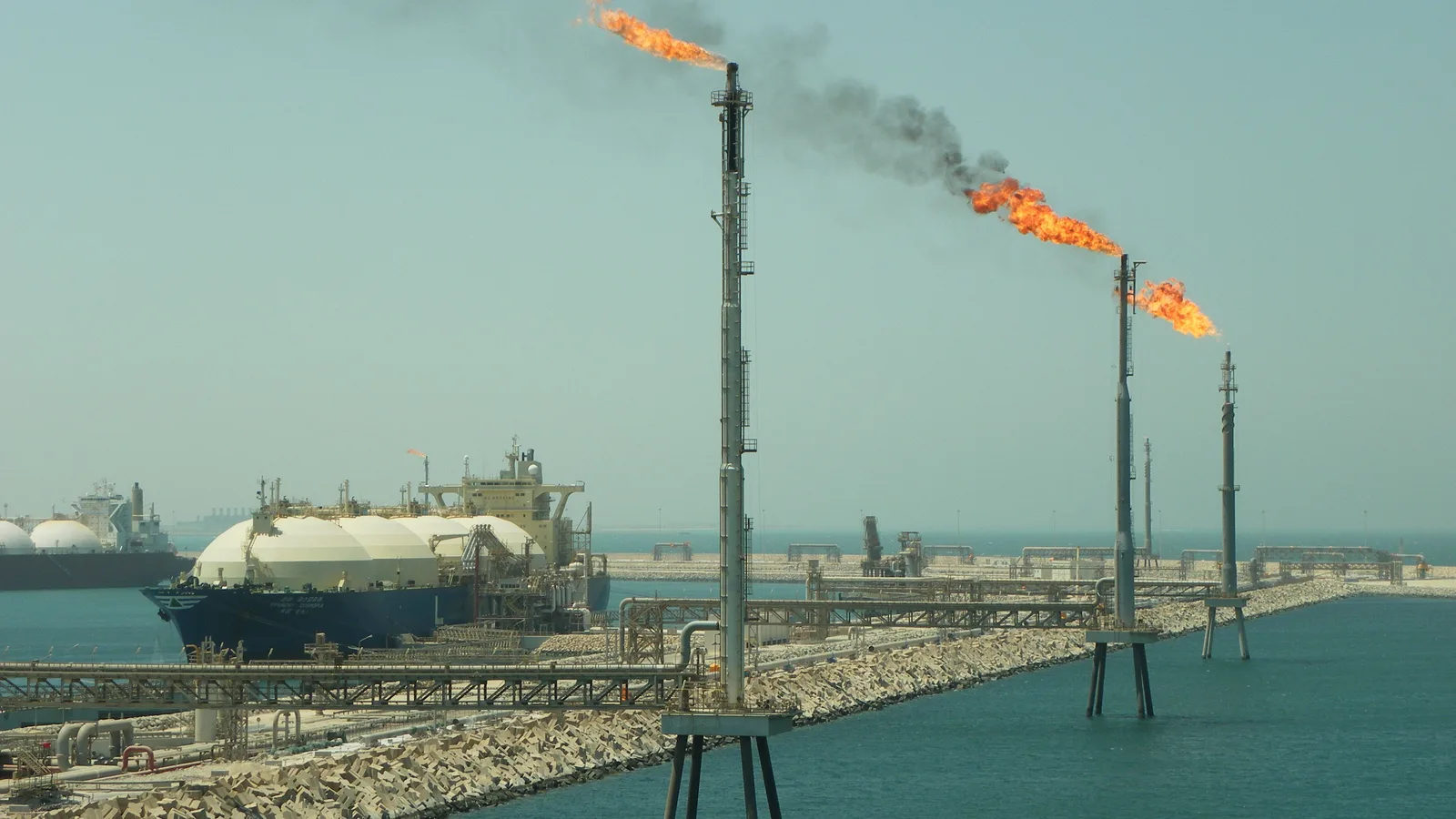
Prime Minister Shehbaz Sharif announced the subsidy to ease the burden of fuel prices driven up by the war in the Middle East. The conflict has disrupted major oil supply routes: fighting around the Strait of Hormuz, and a growing threat from Houthi rebels to shipping through the Bab al-Mandab, which has become a key route for Saudi oil exports.
The price rise has been steep. After the US-Iran conflict began on February 28:
- Petrol climbed from Rs266 a litre in early March to a peak of Rs458.41 on April 3
- Diesel rose from Rs281 a litre to a peak of Rs520.35 on April 3
Prices have since eased. On Monday, the government cut petrol by Rs2.27 to Rs389.03 a litre and high-speed diesel by Rs3.56 to Rs404.97 a litre, effective from Tuesday. The government still collects about Rs114 a litre in taxes and duties on petrol and Rs100 on diesel. Since mid-July, Ogra has set fuel prices daily, in line with world markets.
The government has also brought back austerity measures, including closing markets at 9pm and cutting fuel allocations for official vehicles by half for three months.
The outlook
The relief may be needed for some time. The International Energy Agency has warned that a lack of progress in ending the Iran war will delay the return of normal Middle East oil flows into 2027 and keep fuel prices high.
Why it matters
For millions of Pakistanis who ride motorcycles to work or drive small cars, Rs100 off every litre makes a real difference to the monthly budget. With 7.6 million people signed up in under two weeks, the scheme is one of the most direct ways the government is supporting households during the crisis. Read our report on Pakistan’s talks with the IMF, where the fuel relief is among the issues under discussion.
This article draws on reporting by Dawn and The Express Tribune.
Comments
Comments are reviewed by our editors before they appear. Please keep them civil and on topic. See our terms.
No comments yet. Be the first to share your view.