
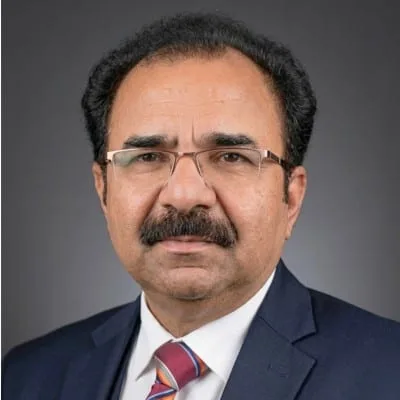
Prime Minister Shehbaz Sharif met leaders of five of the world’s biggest financial firms in London on Tuesday, inviting them to invest in Pakistan and expand their services in the country.
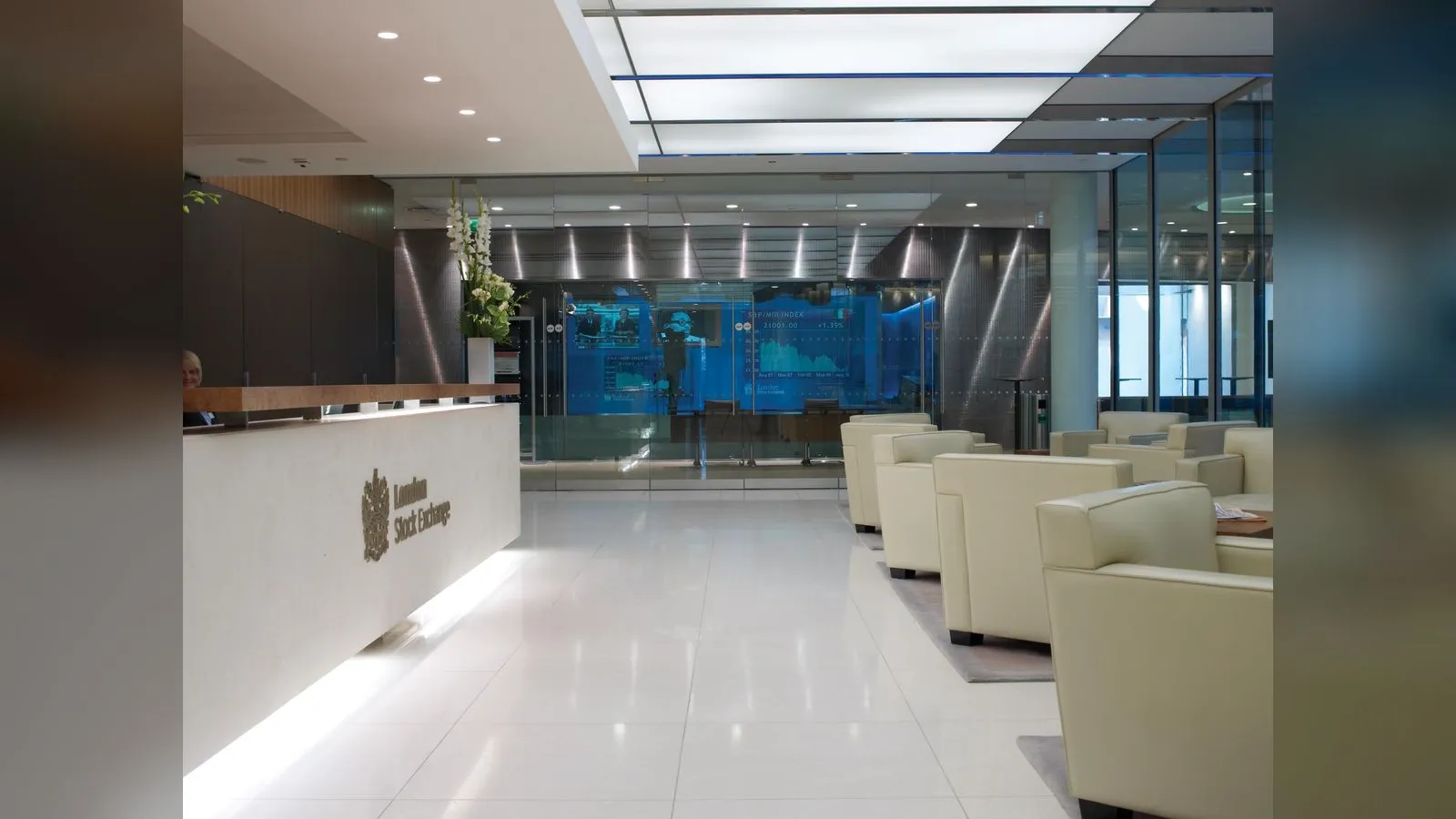
The meetings came after the prime minister became the first Pakistani leader to open trading at the London Stock Exchange, where he formally launched Pakistan’s $3 billion dual-tranche sovereign Eurobond, Dawn reported.
“Investors are now trying to evaluate and assess safer markets and Pakistan is a market where we can easily attract foreign investments,” the prime minister said.
Who he met
- JP Morgan: Matthieu Wiltz, co-chief executive for Europe, the Middle East and Africa. The talks focused on expanding the bank’s presence in Pakistan in capital markets, trade finance and investment banking.
- Barclays: Mohammad Kamal Syed, head of the Private Bank and Wealth Management in the UK. The prime minister briefed him on Pakistan’s steps to stabilise its economy.
- Rothschild & Co: Lord Mark Sedwill, chair of geostrategic advisory, and Majid Ishaq, head of UK investment banking. They discussed geo-economic priorities and working together in capital markets.
- Citi: chief client officer David Livingstone. The prime minister encouraged Citi to expand its corporate and institutional banking in Pakistan.
- BlackRock: co-heads Gordon Fraser and Sam Vecht and portfolio manager Emily Fletcher. The talks focused on BlackRock putting more money into Pakistani shares and bonds.
Aurangzeb meets Standard Chartered
Separately, Finance Minister Muhammad Aurangzeb met Standard Chartered chief executive Bill Winters. They discussed Pakistan’s structural reforms, tokenisation and opportunities for international sukuk, Islamic bonds that Pakistan uses to raise money abroad.
A first at the London Stock Exchange
Opening trading at the London Stock Exchange carries symbolic weight. The prime minister was joined by the exchange’s chief executive, David Schwimmer, Finance Minister Muhammad Aurangzeb, Adviser on Privatisation Mohammad Ali and High Commissioner Tipu Usman, The Express Tribune reported.
The $3 billion Eurobond drew bids of nearly $6 billion, about twice the amount on offer. It is the first issue under Pakistan’s renewed Global Medium-Term Note Programme, and follows the country’s first Panda bond in China and a series of credit rating upgrades. The government says it is part of a plan to widen its sources of funding, borrow for longer and reduce the risk of having to refinance debt at short notice.
“We have strengthened our macroeconomic indicators, which are very promising and augur very well,” the prime minister said. Speaking about the Gulf crisis, he added: “Like other emerging economies, we are negotiating this challenge while also playing an important role as a peacemaker.”
The talks with the firms also touched on privatisation, including PIA and First Women Bank, and on digitalisation.
The prime minister’s message to the firms was that Pakistan, having stabilised its economy, is now a place worth investing in, at a time when investors are looking for markets they consider safe.
Why it matters
Pakistan needs foreign investment to grow its economy and to reduce its reliance on loans. Firms like BlackRock, one of the world’s largest investors, can bring large sums into Pakistani shares and bonds, while banks like JP Morgan and Citi help Pakistani companies raise money and trade abroad. The meetings come as Pakistan is also in talks with the IMF over its next loan payment, and a vote of confidence from global finance would strengthen its hand.
This article draws on reporting by Dawn.
Comments
Comments are reviewed by our editors before they appear. Please keep them civil and on topic. See our terms.
No comments yet. Be the first to share your view.