
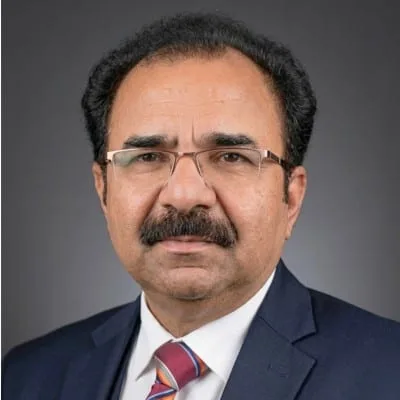
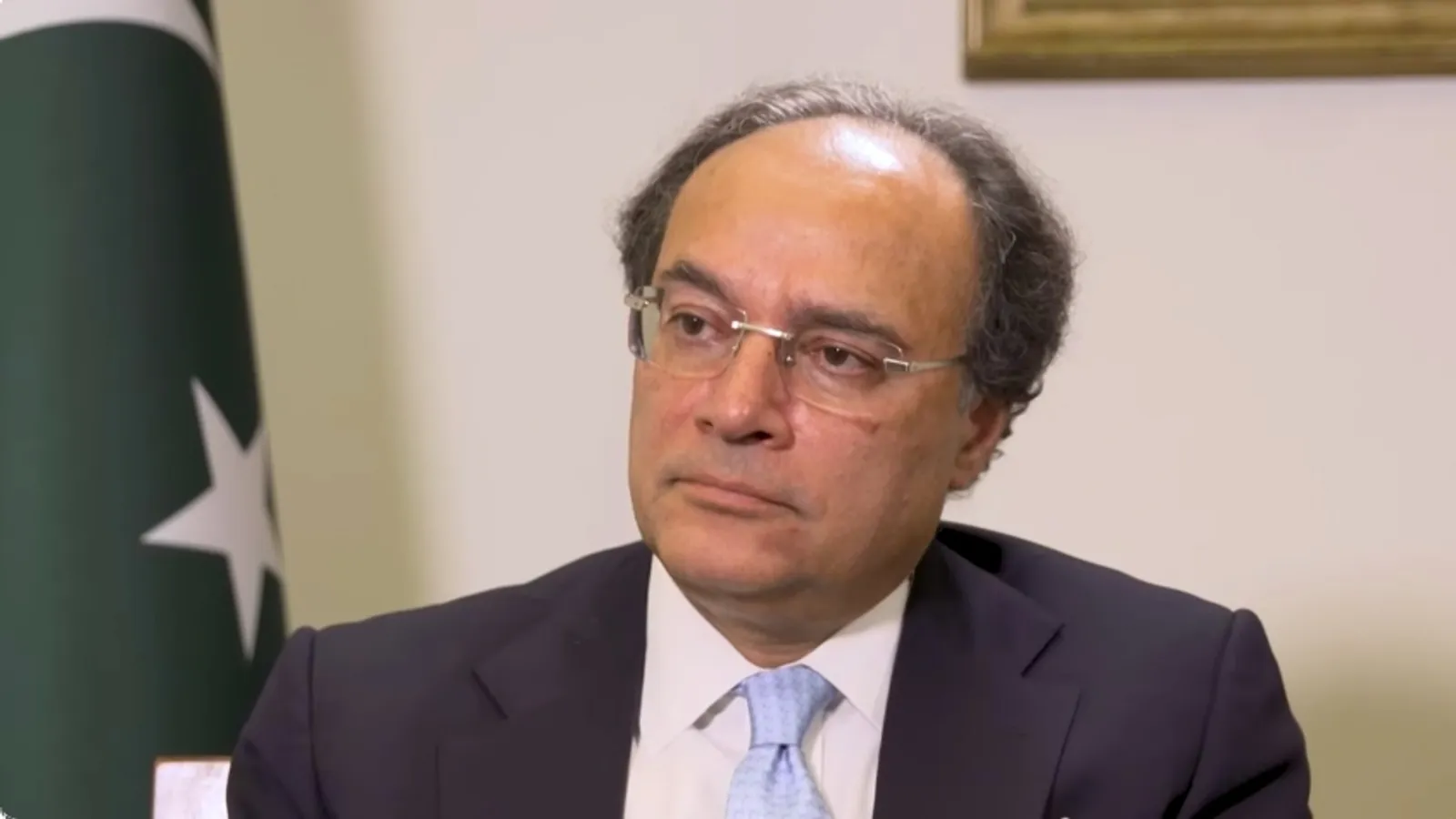
Finance Minister Muhammad Aurangzeb formally opened talks with the International Monetary Fund’s visiting staff mission in Islamabad on Tuesday, as Pakistan works to secure about $1.2 billion in fresh funding by late October or early November.
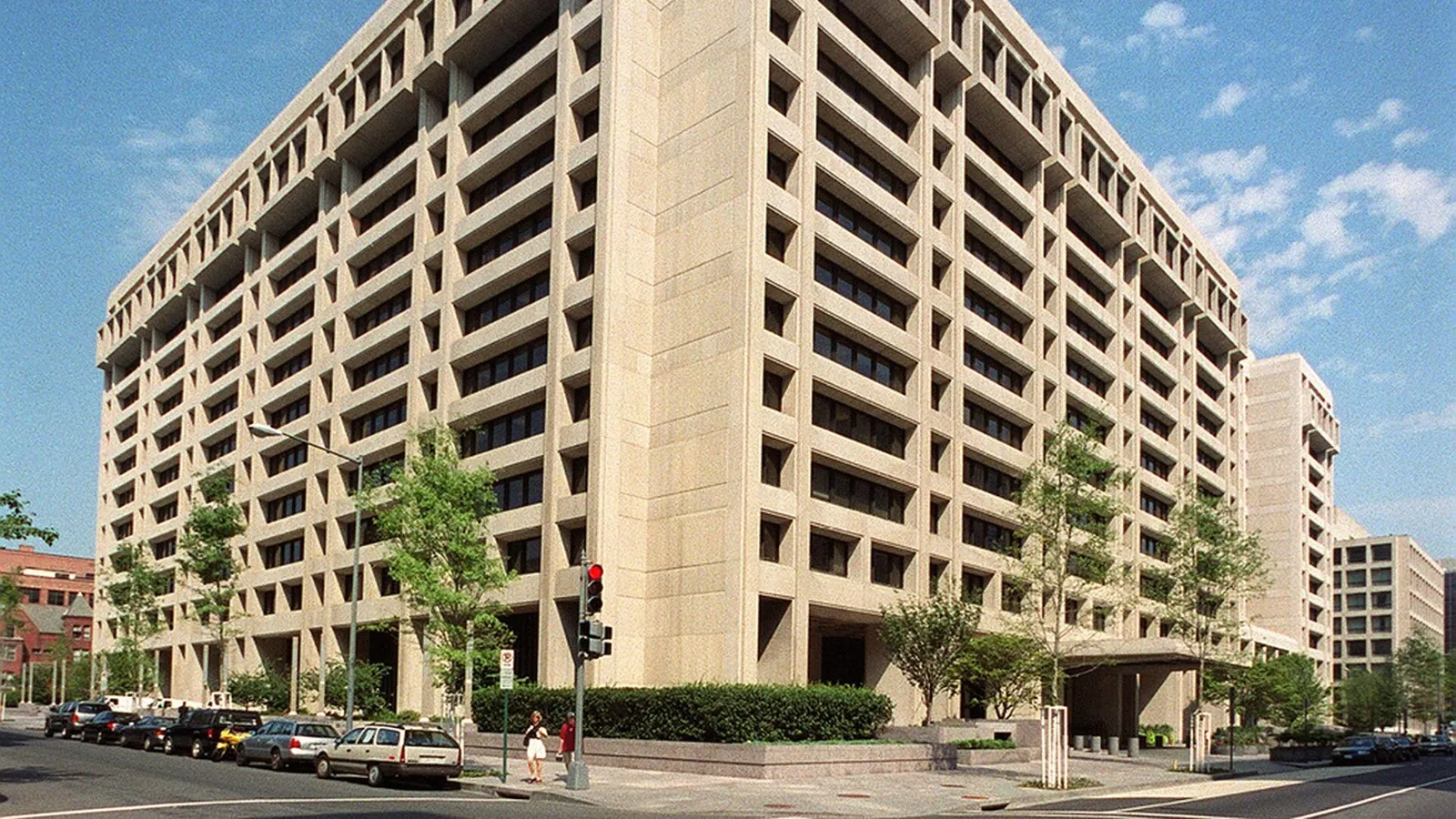
The IMF team, led by mission chief Iva Petrova, is conducting the fourth review of Pakistan’s $7 billion Extended Fund Facility (EFF) and the third review of its $1.4 billion Resilience and Sustainability Facility (RSF), which supports climate-related reforms, Dawn and The Express Tribune reported. The EFF is Pakistan’s 25th IMF programme since 1958.
What Aurangzeb told the Fund
At the kick-off meeting, Aurangzeb briefed the mission on the “latest macroeconomic indicators, improvements in credit rating and overall investment climate amid a challenging outlook emanating from prolonged Iran conflict”, according to Dawn.
That last point matters. The war in the Gulf has pushed up energy costs and disrupted LNG supplies from Qatar, adding pressures on Pakistan’s economy that come from outside its borders.
What is at stake
If the reviews are completed successfully, Pakistan could receive about $1.2 billion:
- $1 billion under the EFF
- $200 million under the RSF
Pakistan and the IMF agreed the EFF in July 2024. Earlier reviews have already brought disbursements of about $4.8 billion.
What is on the table
According to The Express Tribune, the issues under discussion include:
- Budget numbers: Rs853 billion in statistical discrepancies that the Fund wants examined in detail
- Primary surplus: a condition the government has met
- Health and education: spending by the federal and provincial governments fell Rs370 billion short of a combined Rs3.47 trillion target
- Fuel relief: Prime Minister Shehbaz Sharif’s Rs100-per-litre petrol subsidy for motorcycles, rickshaws and small cars
The fuel scheme is the government’s answer to prices driven up by the Middle East war. Deputy Prime Minister Ishaq Dar, who reviewed it on Tuesday, said about 7.6 million people had registered and 7.71 million tokens had been redeemed since it was rolled out on September 17. Owners of two- and three-wheelers get the subsidy on up to 20 litres a month, and owners of cars up to 800cc on up to 30 litres. Dar praised the scheme as an example of a “whole of government” approach.
Pakistan also goes into the review with a word of praise from the top. Prime Minister Shehbaz met IMF Managing Director Kristalina Georgieva at the UN General Assembly, where she praised Pakistan’s reforms for preserving stability and restoring market access, the Tribune reported.
The sticking point: the Sovereign Wealth Fund law
Pakistan is still in breach of some structural benchmarks, the conditions it agreed to meet, Dawn reported. The most important concerns the Sovereign Wealth Fund law, a deadline that was first missed in March.
The amendments set out governance safeguards for seven state-owned enterprises with assets worth about $8 billion, including OGDCL, Pakistan Petroleum Limited, Mari Petroleum and the National Bank of Pakistan. They still need parliament’s approval.
New procurement rules notified
The government moved on another commitment just before the talks. On Monday it notified the Public Procurement Rules 2026, ahead of a September 30 deadline. Among other things, the rules:
- make the e-Pak Acquisition and Disposal System (EPADS) mandatory for federal procuring agencies
- set up blacklisting and cross-debarment of firms
- create independent committees to resolve grievances
- promote sustainable procurement and the inclusion of small and medium enterprises
The rules still allow some direct contracting by state-owned enterprises, an area where the IMF has previously raised concerns.
A week of groundwork
The mission has been in Pakistan since September 23. Before Tuesday’s formal opening, it held meetings with the State Bank of Pakistan, the finance ministry, the Federal Board of Revenue and the finance secretaries of Khyber Pakhtunkhwa and Punjab.
Why it matters
A successful review would keep Pakistan’s IMF programme on track, support the recent improvements in its credit rating and reassure investors at a time when the regional war is adding to economic uncertainty. Read our earlier reports on the start of the IMF review and on the new procurement rules.
This article draws on reporting by Dawn and The Express Tribune.
Comments
Comments are reviewed by our editors before they appear. Please keep them civil and on topic. See our terms.
No comments yet. Be the first to share your view.