

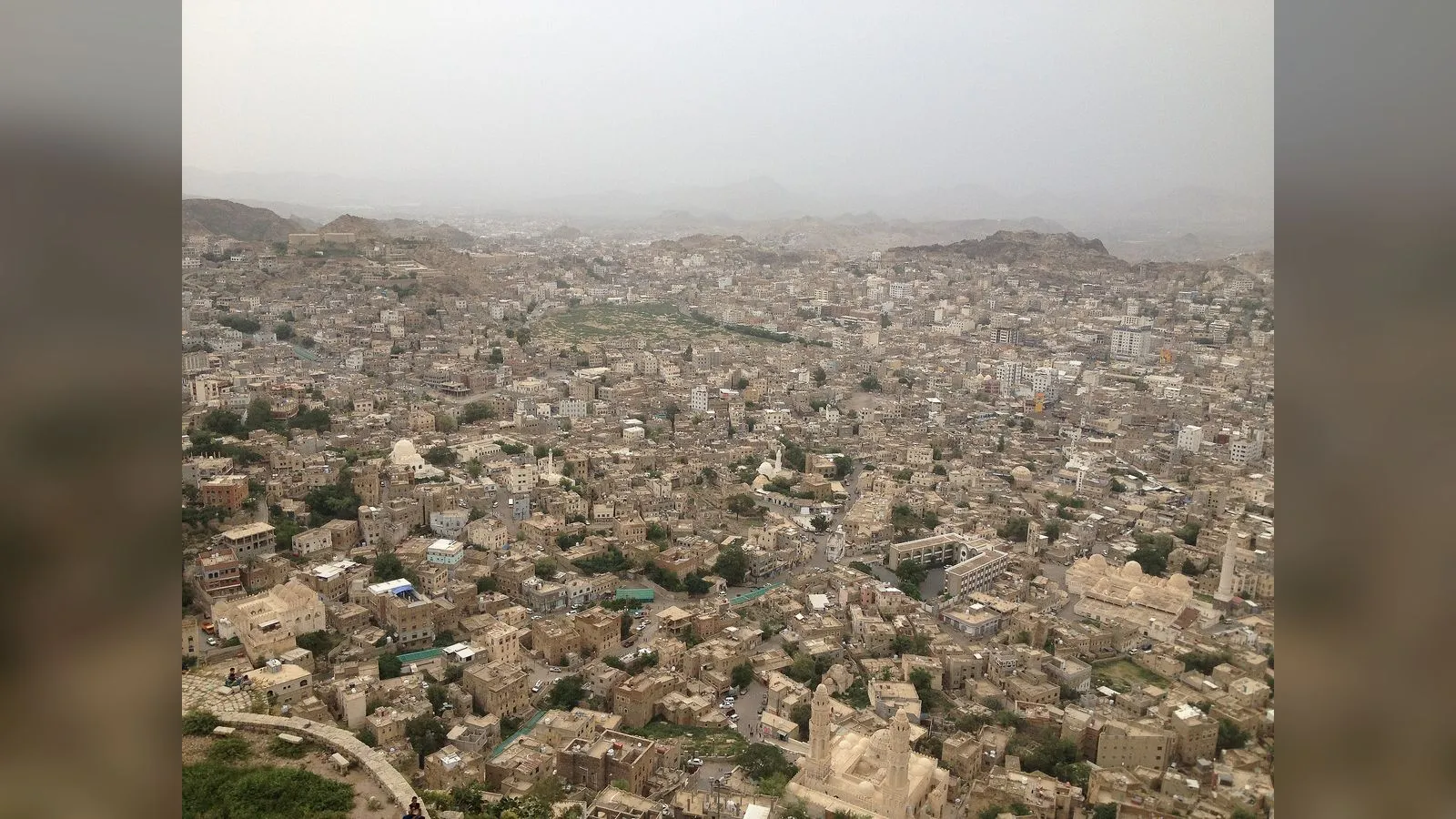
The World Health Organization has warned, at a briefing in Geneva on Tuesday, that Yemen’s health system is close to a “breaking point” after a surge in fighting killed hundreds of people, forced tens of thousands from their homes and knocked hospitals out of action, Anadolu Agency reported.
The human toll
Since August 6, the WHO has recorded:
- 4,481 casualties, including 838 deaths
- More than 180,500 people displaced across 10 governorates
- More than 3,600 Yemenis who have fled to Djibouti since September 10, nearly half of them children
Aid agencies expect another 5,000 to 10,000 people to arrive in Djibouti in the coming weeks.
Hospitals under attack
The damage is spread across several governorates, including Taiz, Lahj, Al-Hodeidah and Marib.
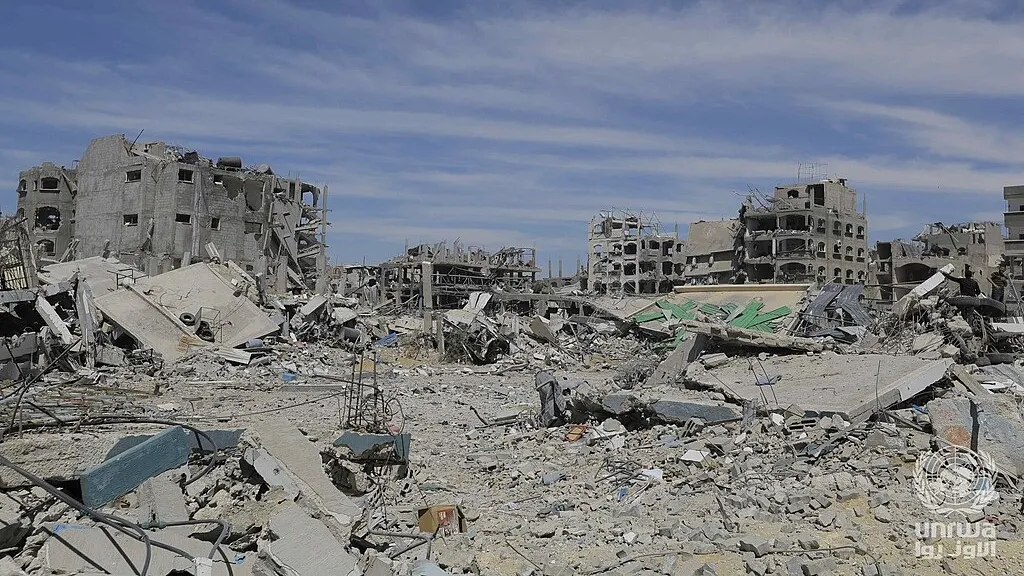
Nine health facilities in Taiz, Lahj and Al-Hodeidah have been damaged, forced out of service, closed or directly attacked. In Marib and Ras Al-Arah, two hospitals have suspended emergency care for mothers and newborn babies because staff and space have been moved to treat the wounded.
Even before the latest fighting, only about 60 percent of Yemen’s health facilities were fully working, said Annette Heinzelmann, the WHO’s regional emergency director for the Eastern Mediterranean.
Disease spreading
The crisis is compounded by outbreaks of preventable diseases this year:
- Measles: more than 22,000 suspected cases and 128 deaths
- Cholera or acute watery diarrhoea: 7,784 suspected cases
- Dengue: 9,604 cases
Why these diseases are so dangerous now
All three spread fastest when people are crowded together without clean water or health care, exactly the conditions facing families who have fled the fighting:
- Measles spreads through the air and can kill young children, but is prevented by vaccination
- Cholera spreads through contaminated water and can kill within hours without treatment
- Dengue is carried by mosquitoes, which breed in standing water
With hospitals damaged and staff moved to trauma care, routine vaccination and treatment are harder to reach.
Money running out
The WHO has raised only $2 million of the $9 million it needs to respond. Trauma kits and essential medicines at its warehouse in Aden have already run out.
A region at war
Yemen’s suffering is part of a wider crisis in the region. Houthi forces in Yemen have threatened shipping through the Bab al-Mandab strait, and Saudi Arabia blamed the Houthis for drone attacks on September 11 that shut down its East-West oil pipeline to the Red Sea for about a week. The war between the United States and Iran, which began on February 28, has raised tensions across the whole region.
Why it matters
Yemen was already one of the world’s worst humanitarian emergencies before this new wave of fighting. With hospitals being attacked, diseases such as measles and cholera spreading, and aid budgets short by more than three quarters, the WHO’s warning is a call for urgent funding before the health system collapses. For civilians caught in the fighting, and for the children fleeing across the sea to Djibouti, time is running out.
This article draws on reporting by Anadolu Agency and Dawn.

Comments
Comments are reviewed by our editors before they appear. Please keep them civil and on topic. See our terms.
No comments yet. Be the first to share your view.