
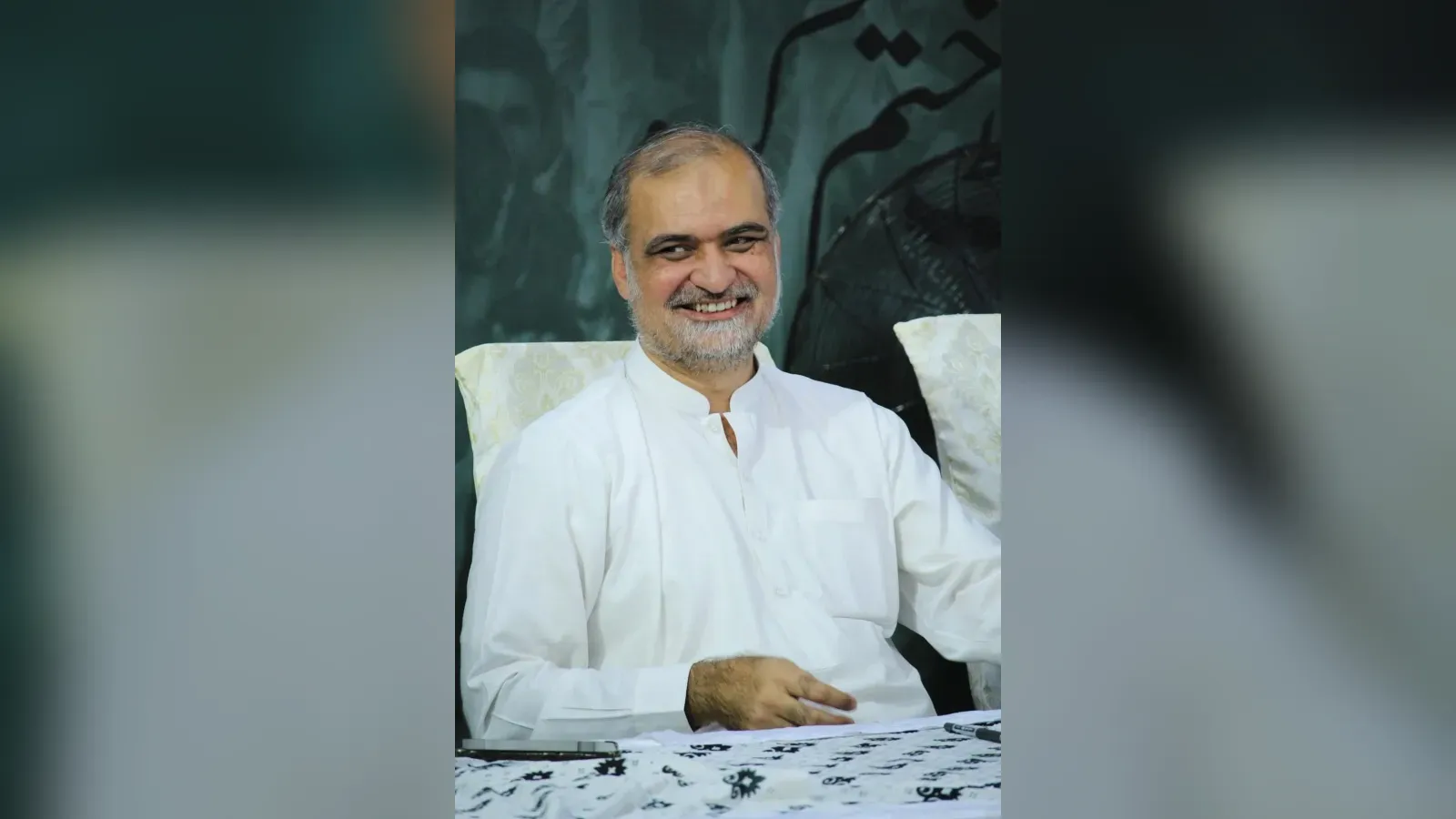
The long negotiation between the government and Jamaat-e-Islami (JI) over petrol prices has reached its last step. The committee talks are over, JI deputy chief Liaquat Baloch said on Thursday. Next, Prime Minister Shehbaz Sharif and JI emir Hafiz Naeem ur Rehman are due to meet on November 24 or 25 to agree the relief package and a way to bring the petroleum levy down.
He spoke to reporters in Islamabad after a meeting with ministers headed by Deputy Prime Minister Ishaq Dar, who is also foreign minister, Express Tribune reported. He said JI’s committees had completed their work and handed over draft proposals, and that the government is expected to give its final decision.
What JI is asking for
According to Mr Baloch, the proposals include:
- Keep and widen existing relief. The concession for motorcycles, three-wheelers and cars up to 800cc should be raised and kept going for longer, not allowed to lapse.
- Bigger engines. The same relief should reach vehicles up to 1,000cc.
- Farmers. Farmers working up to 12.5 acres should get it for their tractors.
- The levy itself. He said the levy is now Rs85 per litre. JI does not insist on abolishing it at once, he said, but wants it reduced step by step through other fiscal measures.
On that last point, Mr Baloch argued that consumers should not pay for shortfalls if tax collectors miss their targets, and he faulted the government over the 18th Amendment, which it has not fully implemented in his view. These are JI’s arguments, and the government has not accepted them in public.
Two sets of numbers
Both sides say prices have come down, but they do not use the same figures.
| JI (Liaquat Baloch) | Government (Foreign Office statement) | |
|---|---|---|
| Petrol | relief of Rs146 a litre; price now Rs325 against a projected Rs620 | Rs133 a litre cheaper since April 2026 |
| Diesel | relief of Rs242 a litre | Rs162 a litre cheaper since April 2026 |
| Reason given | JI’s protests forced the cuts | structural reforms in petroleum policy and changes in global prices |
The figures are not directly comparable. The Foreign Office measures from April; Mr Baloch’s starting points are not stated, and his own numbers do not line up neatly, since a fall from a projected Rs620 to Rs325 is Rs295, not Rs146. Presumably they refer to different measures or periods, but the report does not say. Neither side has published its workings. Mr Baloch also said that “more than Rs32 billion” a month is now being passed on to the public as relief, a figure we have not been able to check against official accounts.
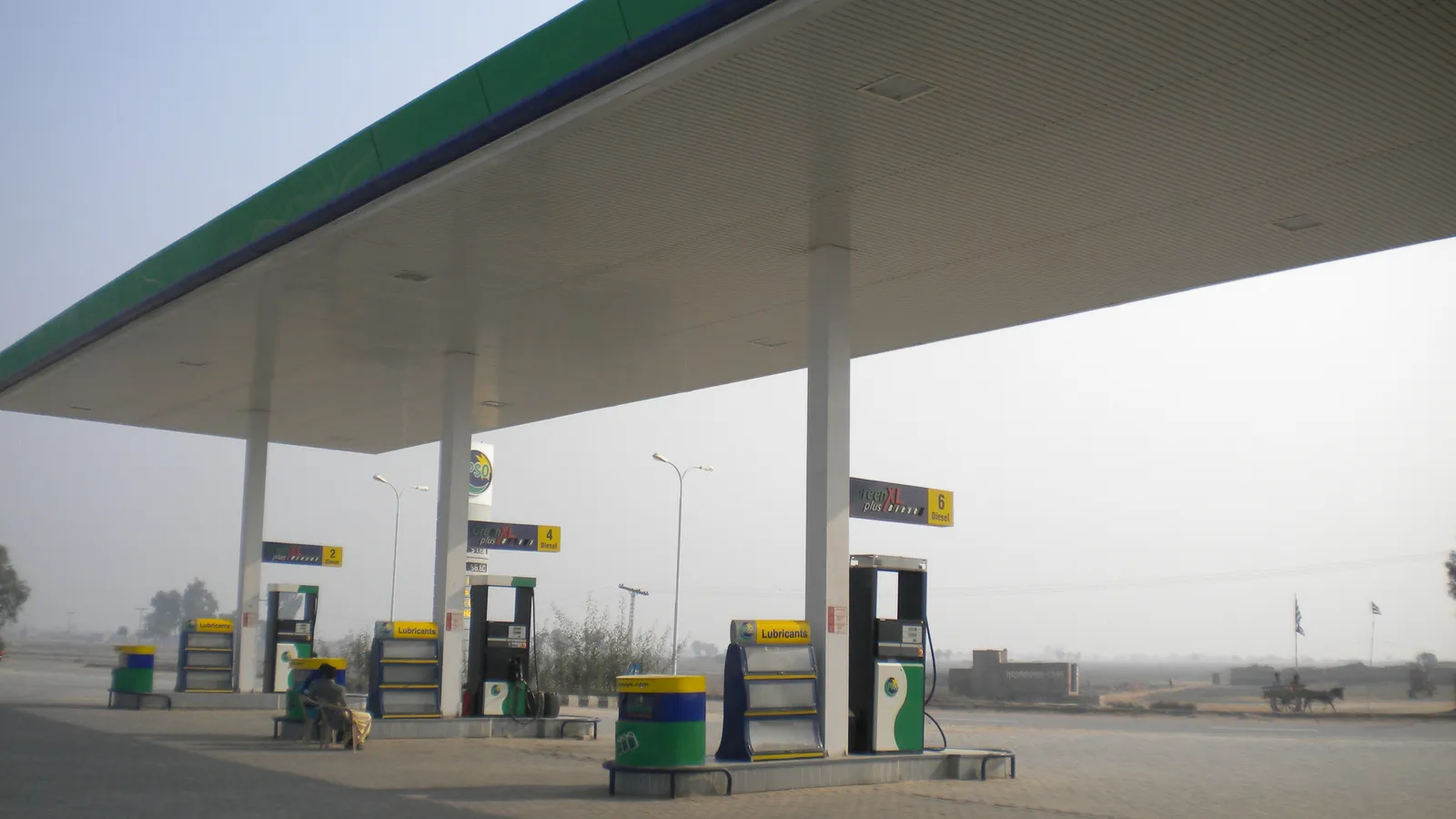
Pump prices themselves are tracked in our report on the latest cuts, which shows rates still above the pre-war level.
What the government said
The Foreign Office called the meeting a constructive engagement. In its statement it said Mr Dar thanked the JI delegation, and the statement repeated that cutting the cost of living for ordinary people and protecting public welfare come first. It added that a last meeting with JI would take place “in due course” with the prime minister present, but gave no date. The statement said the meeting discussed whether the existing fuel subsidy scheme could be widened.
On the government side were the planning minister, the prime minister’s adviser on inter-provincial coordination and the petroleum secretary. Mr Baloch led JI’s team, which also included Syed Farasat Shah, Anayat Ullah and Ziauddin Ansari.
The road to this meeting
JI began pressing the government over the petroleum levy in September. We reported its third phase of sit-ins, and on November 10 Mr Baloch said the sides had agreed “basic outlines” of a deal after a tenth round. Last week Mr Rehman announced rallies in Quetta and Lahore while saying the party would decide its next step after a final agreement.
Why it matters
The date set for the meeting sits between JI’s two planned rallies. If the prime minister meets Mr Rehman on November 24 or 25, the party will go to Minar-e-Pakistan on November 29 either with a deal to announce or with a grievance to sharpen. That gives the government a reason to settle before then, and JI a reason not to accept less than it has already been offered.
The money question has not gone away. When we reported the November 10 talks, the International Monetary Fund wanted the fuel support scheme wound down soon because of its cost. Widening relief to 1,000cc cars and tractors would make it larger, not smaller, and any reduction in the Rs85 levy has to be paid for from somewhere else. Mr Baloch’s answer is better tax collection. The government has not said whether it agrees, or what the IMF has been told.
What to watch
- Whether the meeting is fixed for the 24th or the 25th, and whether Mr Rehman attends in person.
- What the government’s written reply says about the levy: a date and a rate for each cut, or only a promise to review.
- Whether the 1,000cc and tractor relief is costed in public.
- Whether JI keeps its Quetta rally on November 22 and its Lahore rally on November 29 after the meeting.
Comments
Comments are reviewed by our editors before they appear. Please keep them civil and on topic. See our terms.
No comments yet. Be the first to share your view.