
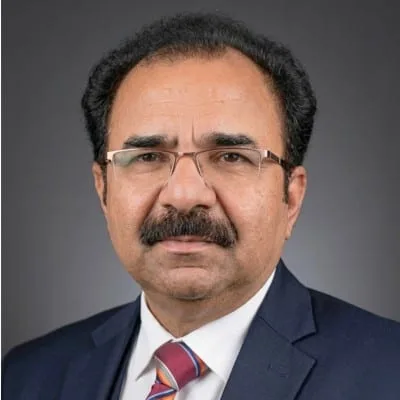
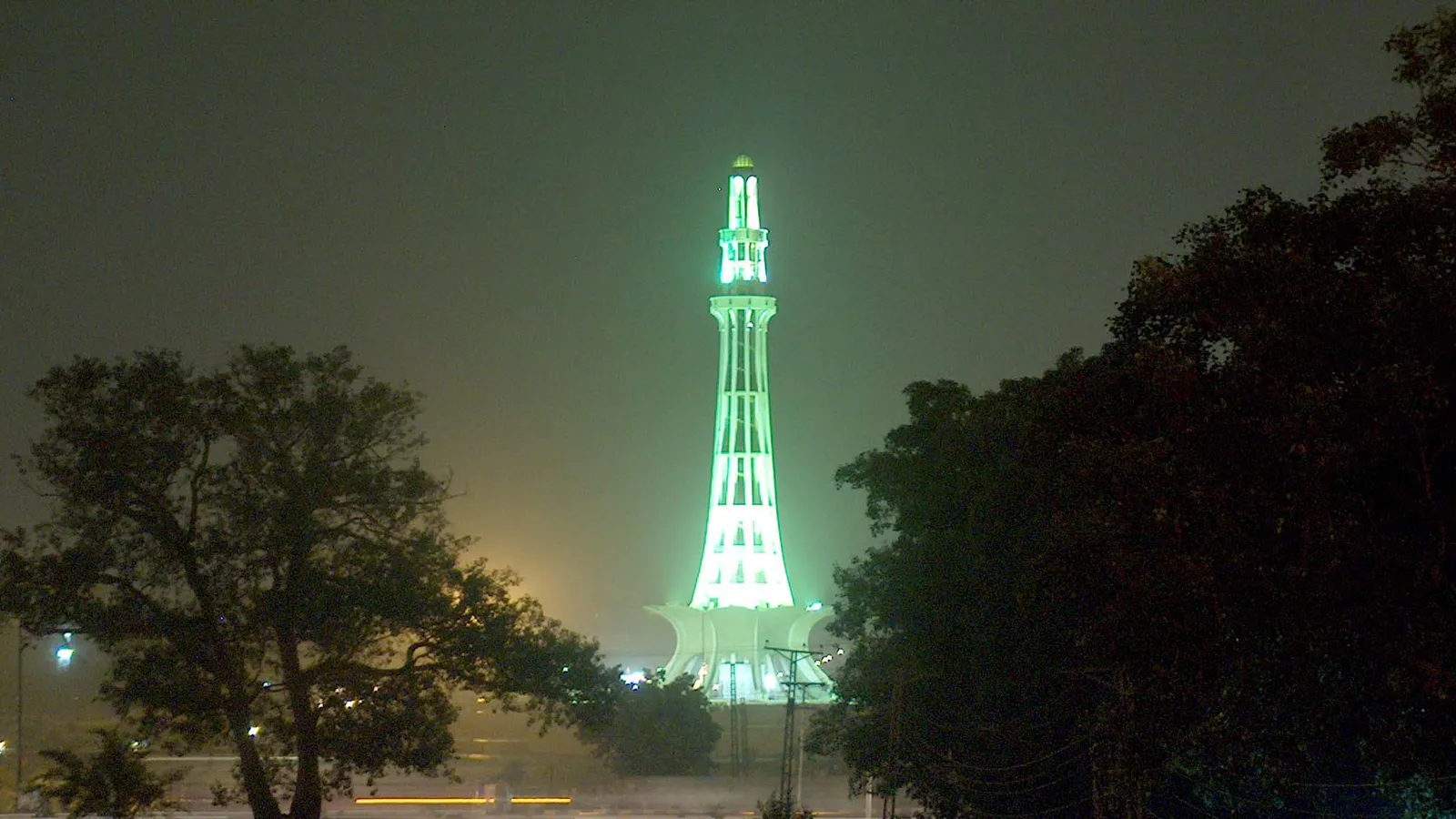
Jamaat-i-Islami (JI) is taking its campaign to the streets again. Party emir Hafiz Naeem ur Rehman said on Wednesday that JI will hold a public gathering in Quetta on November 22, followed by a major rally at Minar-e-Pakistan in Lahore on November 29. Similar gatherings will be held later in Peshawar and Karachi, he told a press conference at the party’s Mansoorah headquarters.
The announcement widens a campaign that began over the petroleum levy. For more than two months JI has demanded that the Centre abolish the levy, and its sit-ins were the subject of our report on the third phase of the protests. It now adds fuel and LPG prices, the problems of farmers and delays in local government elections.
Where the talks with the government stand
Mr Rehman said a joint technical team of government and party representatives has drawn up a draft agreement on the levy, and that the government will review it before announcing relief. He said the party’s agitation had helped stop further rises in petrol prices and had won relief for motorcycle owners and for vehicles under 1,000cc. The government’s own relief scheme, announced in September, covers motorcycles, rickshaws and vehicles up to 800cc, so the two descriptions differ slightly and the final terms are still to be seen.
JI has asked for the relief to be extended to cars up to 1,300cc, diesel-run agricultural machinery and public transport. It has not withdrawn its demand to scrap the levy, and Mr Rehman said the party would decide its next step after the final agreement. We reported on the earlier round in our story on the ‘basic outlines’ of a relief deal.
Fuel prices have been falling. By Dawn’s count the government has made six consecutive reductions since last week, and we set out the latest figures in our report on Thursday’s rates. Mr Rehman argued that the relief has not reached households, because transporters’ charges have not changed and LPG is still sold at prices far above the official rate. He put the LPG price at more than Rs500 a kilogram.
What JI says about farmers and local polls
The rest of Mr Rehman’s remarks were claims and demands, which we report as his, not as established fact:
- Fertiliser and wheat. He said a 50kg bag of DAP fertiliser now costs more than Rs17,000, that urea is hard to find, and that farmers sold wheat for less than Rs3,500 per 40kg, a price that has since risen to about Rs5,500.
- Cotton and sugar. He said the area under cotton has fallen by 60 per cent in ten years as sugarcane replaces it, that growers do not get a fair price for cane, and that mills may not start crushing by the November 15 deadline. He also claimed a few political families own nearly 75 per cent of the sugar mills.
- Local government. He said JI has gone to court over the failure to hold local polls and over changes to the Punjab Local Government Act, which he called anti-democratic. He faulted the Punjab government led by Chief Minister Maryam Nawaz over agriculture. We have not seen the provincial government’s reply to these points in the report we relied on.
- Refineries and privileges. He alleged that oil refineries are making huge profits, and called on rulers and the bureaucracy to cut their own privileges.
Under the arrangement announced on November 2, refineries will bear Rs15 billion of the levy for a month, which allowed a Rs14.71 cut in the petrol price.
Background: why JI’s street campaign matters
JI’s sit-ins on fuel prices were enough to bring the government to the negotiating table, and the party now wants to show it can also fill a square. Minar-e-Pakistan is a traditional venue for large political gatherings in Lahore, chosen for its size and symbolism.
Why it matters
Prices are the issue that reaches every household. JI is tying three separate grievances, fuel costs, farm incomes and the lack of elected local councils, into one message ahead of two big public events. How the government responds in the next fortnight, through the levy agreement and through its handling of farm prices, will decide whether the rallies carry momentum or lose it.
What to watch
- Whether the government and JI finalise the levy agreement before November 22.
- The government’s reply to the claims on fertiliser, wheat and sugar.
- Any move by Lahore’s administration on permission and security for the Minar-e-Pakistan event.
- Whether sugar mills begin crushing by November 15.

Comments
Comments are reviewed by our editors before they appear. Please keep them civil and on topic. See our terms.
No comments yet. Be the first to share your view.