
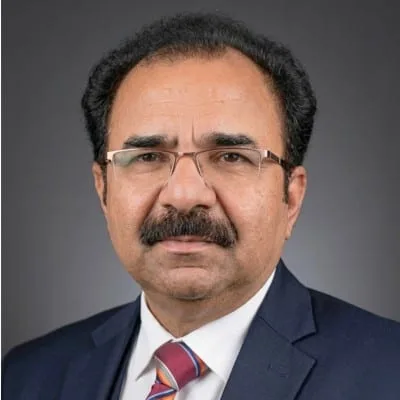
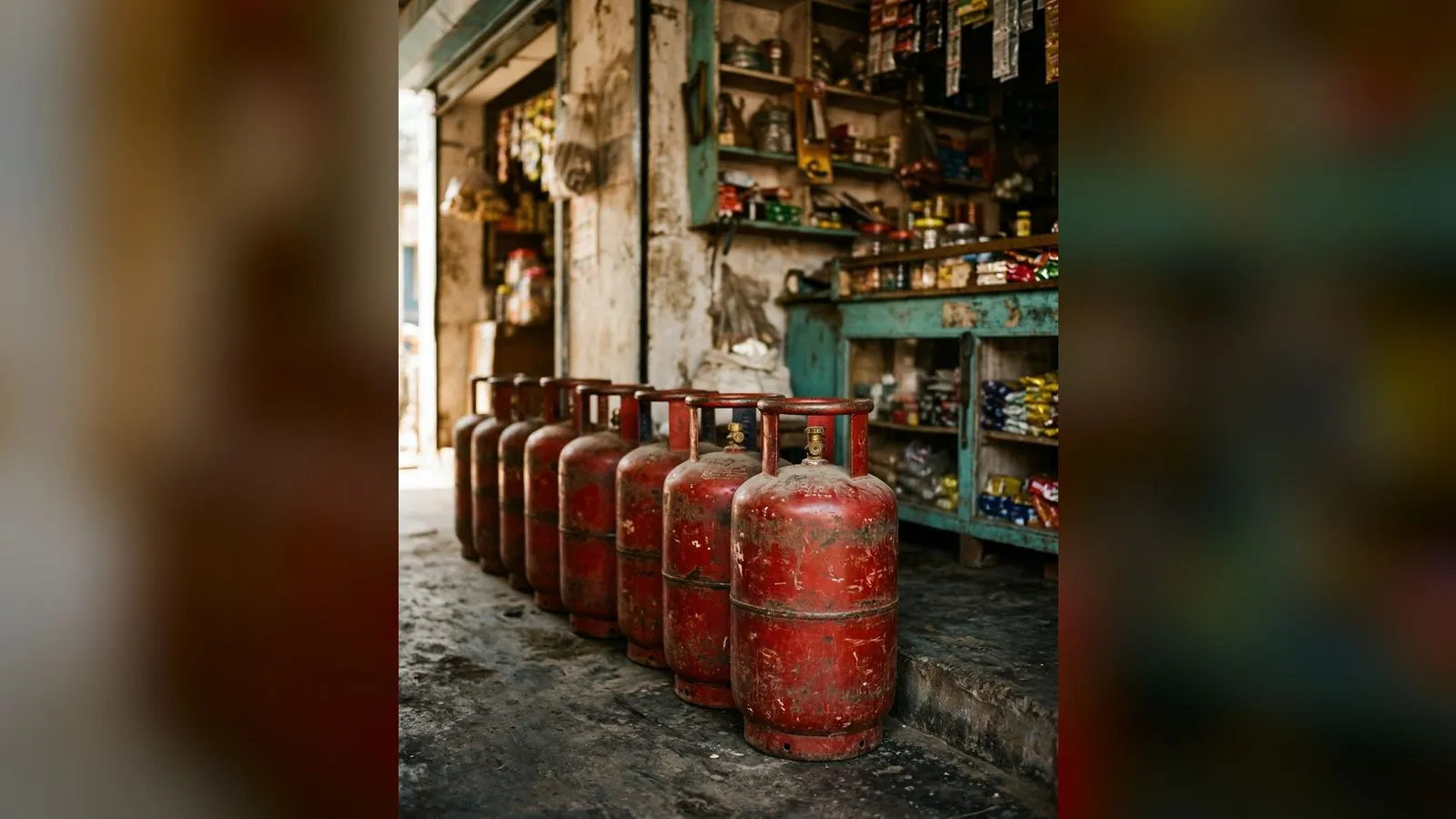
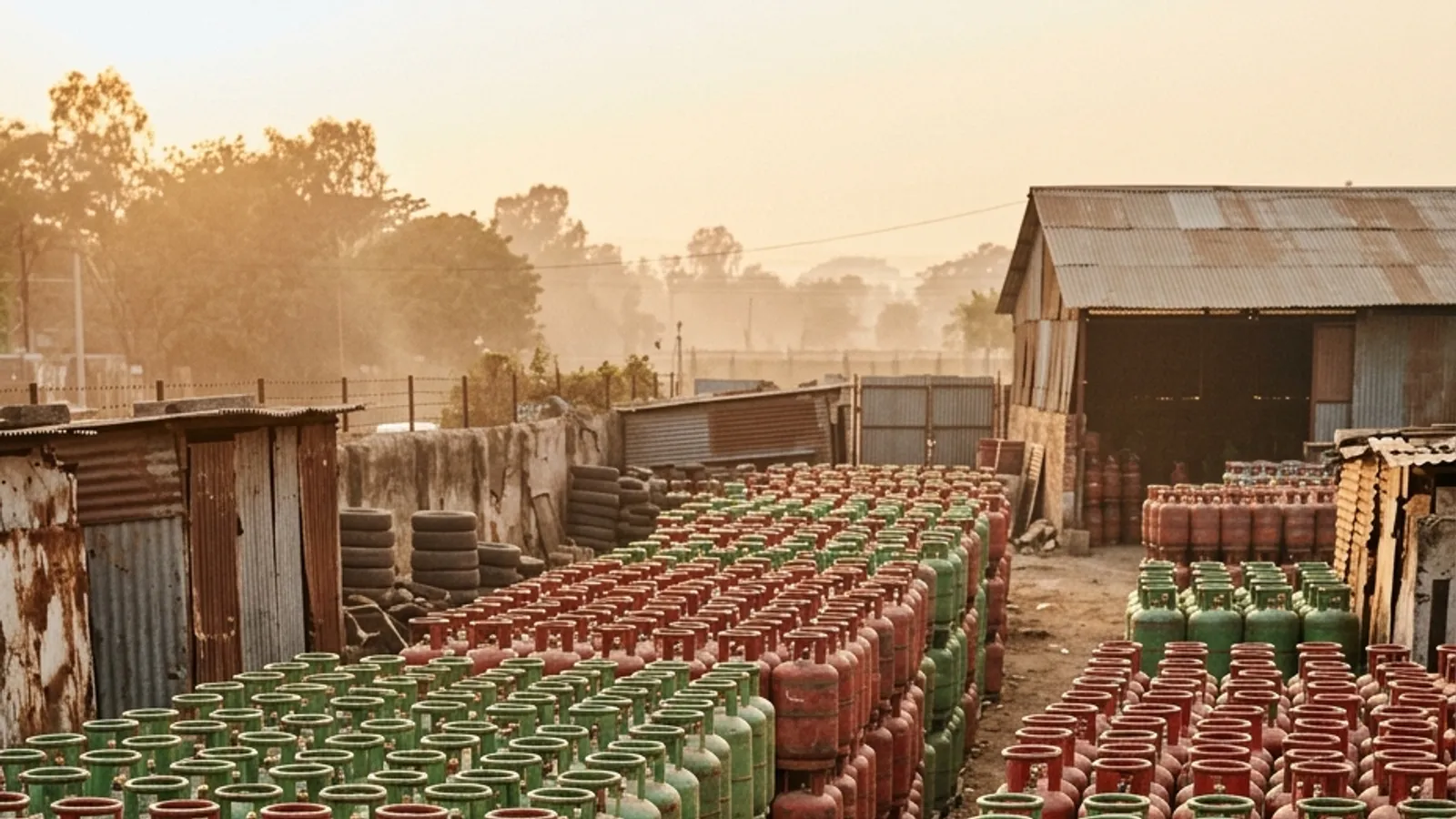
The opposition Pakistan Tehreek-e-Insaf (PTI) says it will take the gap between the official and the real price of cooking gas to the Islamabad High Court. According to the party, the Oil and Gas Regulatory Authority (Ogra) set the price of liquefied petroleum gas (LPG) at Rs294 per kg for November, but households in many parts of the country are paying Rs600 to Rs800.
The gap in numbers
| Price per kg | |
|---|---|
| Ogra’s notified price for November | Rs294 |
| What consumers say they are paying | Rs600 to Rs800 |
| Gap claimed by PTI | About Rs400 |
PTI’s information secretary, Sheikh Waqas Akram, told Dawn that the government had not taken firm action even though LPG is an essential fuel for millions of families, particularly those without a piped natural gas connection. He asked how retailers could charge such prices when the regulator had set a much lower rate, and wanted companies, importers and distributors that profit from the difference to be investigated.
What PTI is asking for
The party’s demands are specific:
- A forensic audit of the whole supply chain: imports, customs declarations, bank transactions, local production, company stock and storage records, and retail prices.
- A deadline: preliminary findings to be published within 30 days.
- Transparency: disclosure of which companies benefit from the quota system under which LPG is allocated.
- Recovery and relief: return of any money collected unlawfully, and compensation for consumers.
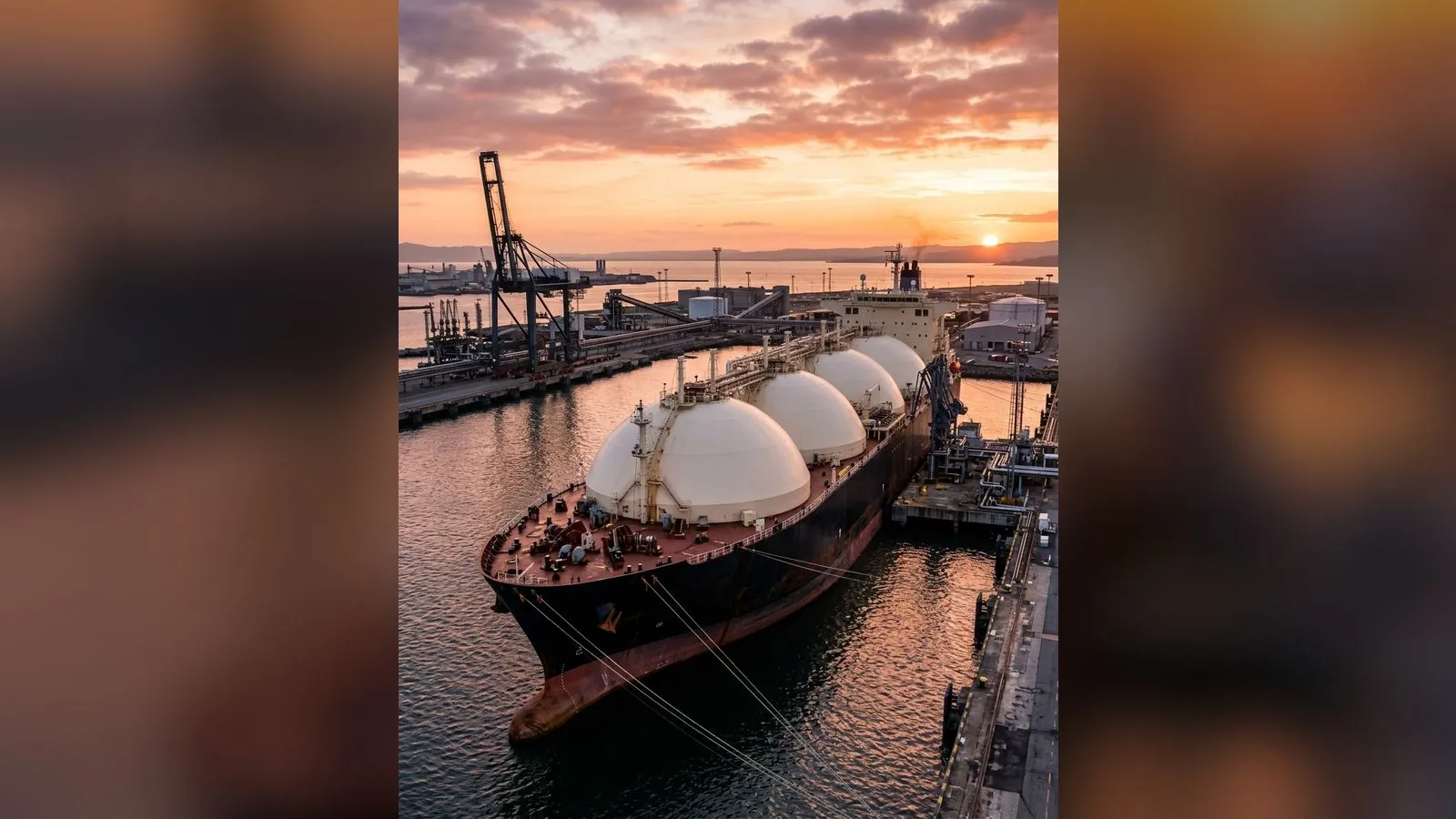
The party said Pakistan consumes about 7,000 tonnes of LPG a day against domestic production of about 2,000 tonnes, so it leans heavily on imports, especially from Iran. On those volumes, it estimates, an extra Rs400 on each kilogram would amount to Rs2.8 billion a day, or Rs84 billion a month. That figure is PTI’s own calculation, based on the assumption that all consumption is sold at the higher price, and it has not been checked against sales data. Dawn’s report did not include a government response.
How we got here
Retail prices well above the official rate have been a feature of this winter’s gas market. We reported on October 21 that LPG cylinders were selling at twice the official price amid a supply crisis. Last week we explained the new auction rules, under which 90 per cent of supply is sold openly and 10 per cent is kept for remote areas. The rules are intended to make allocation more open, but it is too early to say whether they will narrow the gap between the notified and the shop price.
Why it matters
LPG is not a luxury in a country where piped gas does not reach many homes, and its cost is felt most in the northern areas and in poorer households that depend on cylinders for cooking. When prices at the shop are double the notified price, the notification protects nobody, and the question becomes whether Ogra, provincial price-control offices and district administrations have the means, or the will, to enforce it.
A court petition by an opposition party is also politics. The case may or may not succeed, and we do not yet know what the government will say. But a judicial order could force officials to publish how supply is allocated, which is what the auction rules also aim to do.
What to watch
- Whether PTI actually files the petition this week and what relief it asks the court to grant.
- Whether Ogra or the petroleum division answers the allegation with data on import costs and dealer margins.
- Whether retail prices fall after the first auctions under the new rules.
- Whether any provincial administration takes action against sellers charging above the notified price.

Comments
Comments are reviewed by our editors before they appear. Please keep them civil and on topic. See our terms.
No comments yet. Be the first to share your view.