
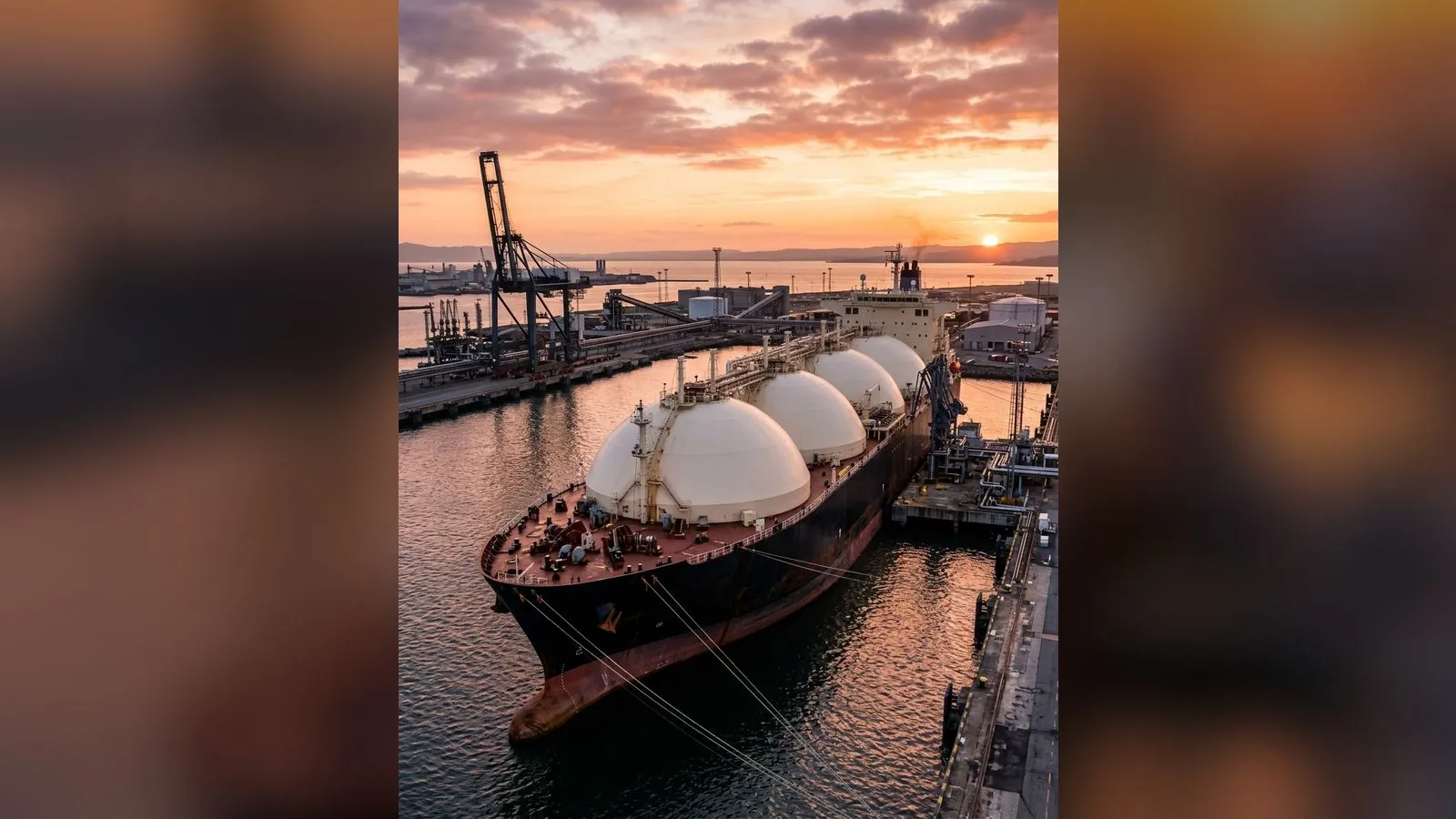
Pakistan is trying to do two things at once with Qatar: pay less for liquefied natural gas (LNG) in the long run, and get more of it right now. According to a report in The News, the government has formally invoked price-review clauses in its two government-to-government LNG contracts with Qatar, and sent a high-level team to Doha to press for extra cargoes for December and January, the coldest and most gas-hungry months.
The delegation and its asks
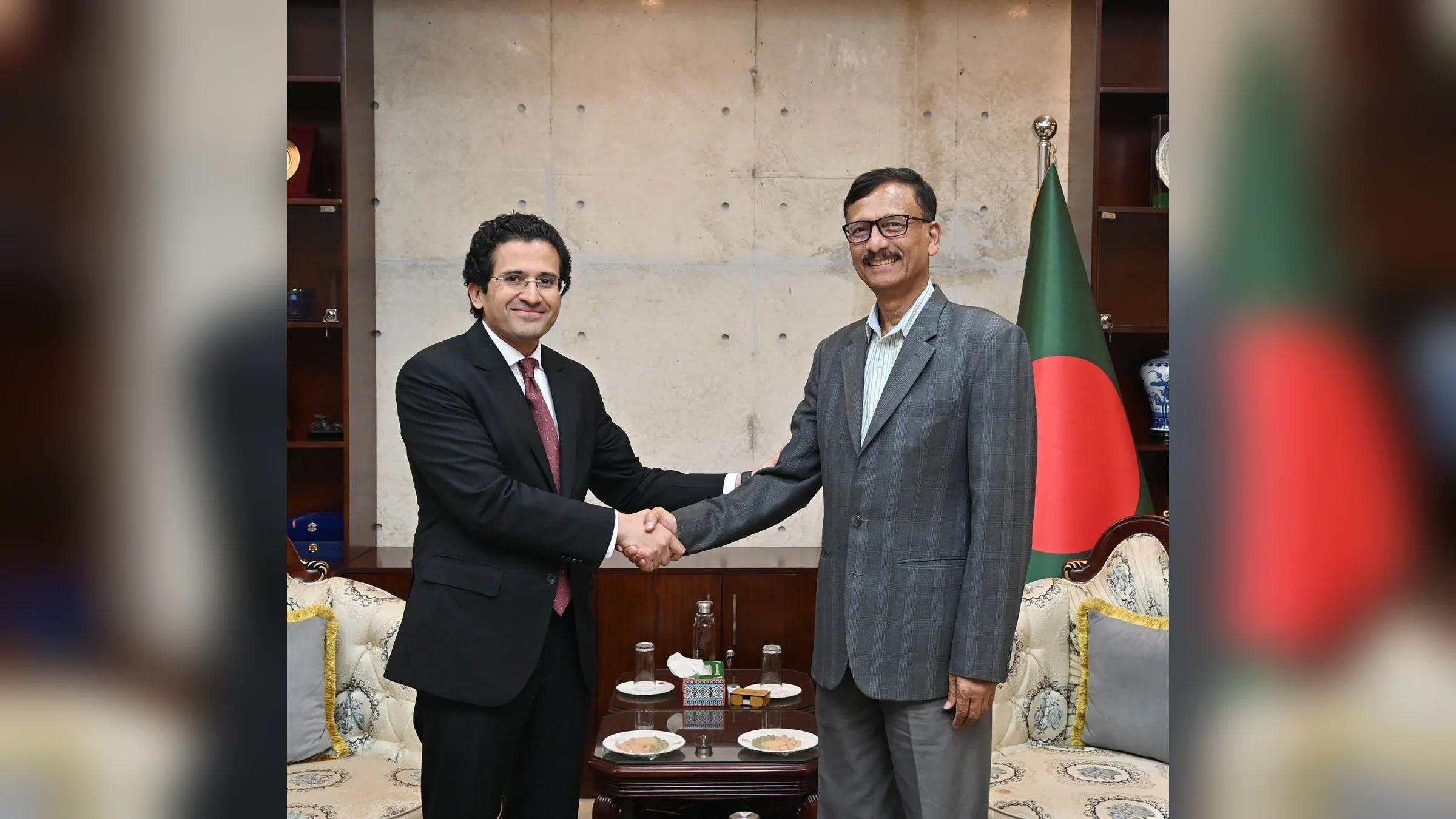
The team is headed by Petroleum Minister Ali Pervaiz Malik and includes the Special Assistant to the Prime Minister, Lt Gen (retd) Muhammad Zafar Iqbal, and Petroleum Secretary Hamed Yaqoob Sheikh. Energy Ministry sources said it left on Tuesday to discuss changes to the long-term contracts, immediate winter supplies and the annual delivery plan for 2027.
The price-review clause requires both sides to check whether the contract price falls within the range of comparable LNG contracts, wherever the gas comes from, and to adjust the formula if it does not. Pakistan wants to use it to cut the price and reduce its annual commitment to buy cargoes, which it says no longer matches falling domestic demand.
| Month | Cargoes Pakistan is seeking from Qatar | Cargoes Pakistan needs in total |
|---|---|---|
| November | 1 | Not stated |
| December | 4 to 5 | 9 |
| January | 4 to 5 | 11 |
Why supply is tight
The talks come while shipping through the Strait of Hormuz is disrupted by the war between the United States and Iran. QatarEnergy has declared force majeure restrictions that run until the end of December. According to the report, one cargo bound for Pakistan was affected even before it entered the strait, despite having Iranian clearance. LNG shipments from Qatar are said to have recovered to about half of pre-war levels. We reported earlier on the force majeure notice and what it meant for Pakistan.
The price argument
The pricing is tied to Brent crude oil, so every fraction of a percentage point counts. Sources told The News the following sequence of positions:
- Pakistan asked to cut the price under the first contract from 13.37 per cent of Brent to 10.20 per cent.
- QatarEnergy rejected that figure but offered 11.36 per cent for both contracts.
- Pakistan then asked to keep 10.20 per cent under the second contract for all future supplies.
- QatarEnergy countered by demanding an increase to 11.98 per cent, and eventually made a final offer of 11.96 per cent of Brent for both agreements.
Officials say Qatar has treated this as its final offer, and that Islamabad must now choose between accepting it and negotiating on. The offer is still higher than what Pakistan asked for. The report also says Pakistan has asked to reduce its contracted volumes sharply, citing a cut to 66 cargoes from 108; the report does not make clear over what period, so that figure should be read with care.
Spot cargoes rejected
Separately, the board of Pakistan LNG Limited rejected bids for two spot cargoes, one for December and one for January, under public procurement rules. TotalEnergies bid Rs24.434 billion for a December cargo of 140,000 cubic metres and Rs24.282 billion for the January cargo. QatarEnergy bid Rs27.776 billion for December, the highest of the three.
Why it matters
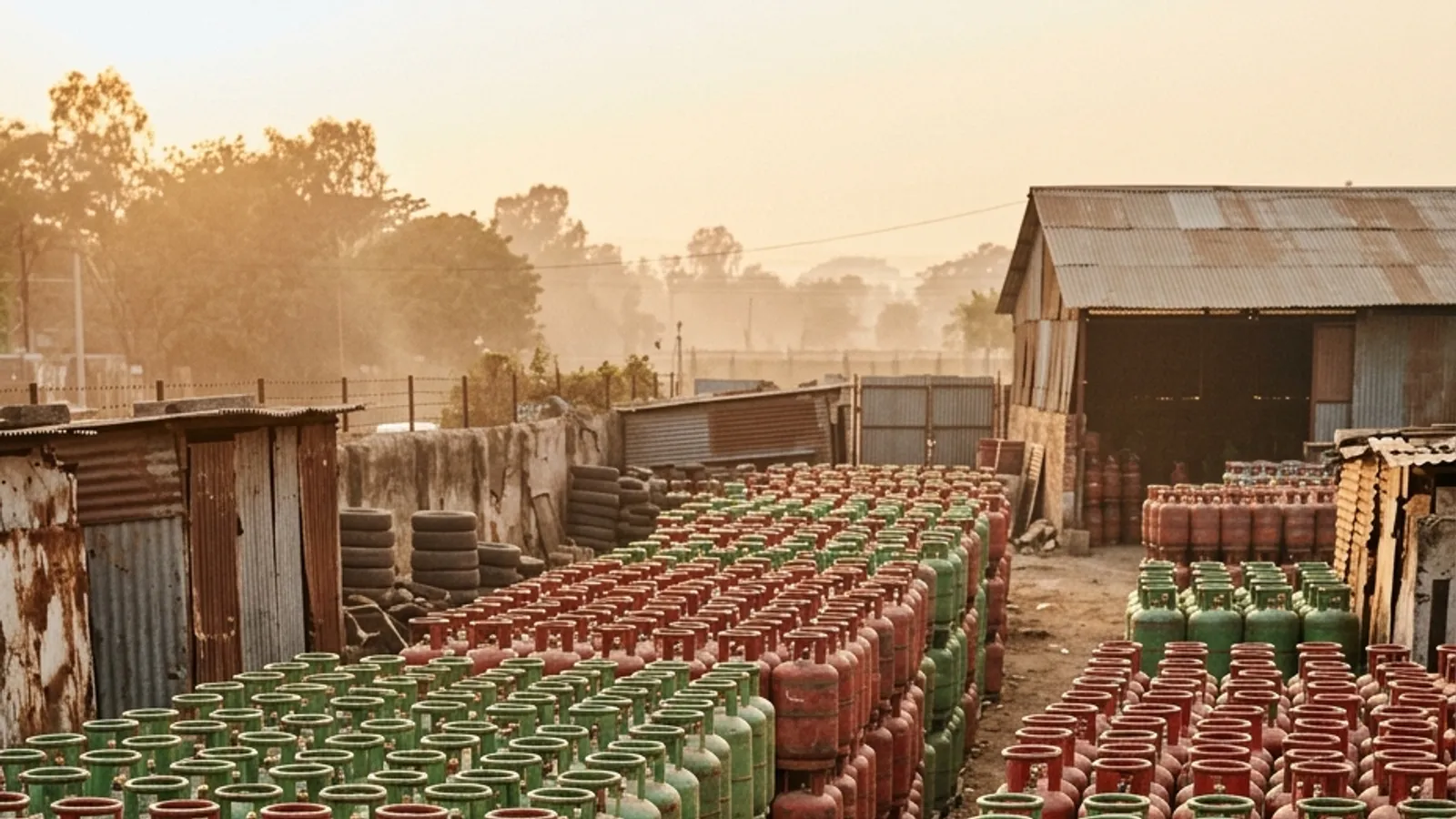
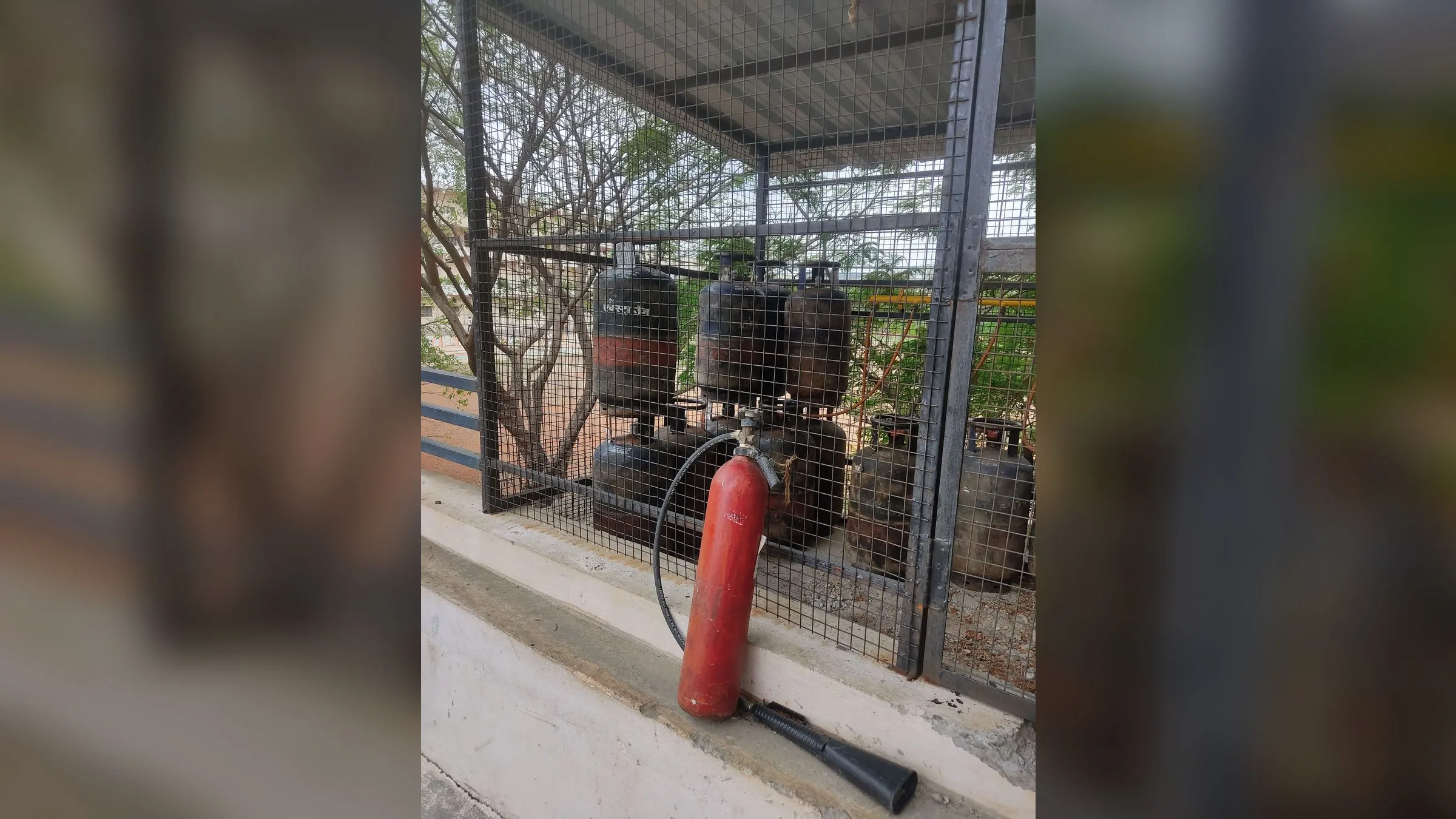
Gas heats homes, runs fertiliser plants and power stations and sets the cost of electricity. A shortage in December and January usually means load-shedding of gas to industry and, in cold weeks, to households. At the same time, signing a long contract at a price that proves too high leaves Pakistan paying more for years. Pakistan has also been dealing with soaring cylinder prices for LPG, as we reported, so households are exposed on both fronts.
The government’s decision is a trade-off between getting winter gas and getting a fair price, and these talks will show which one it ranks first.
What we do not know
- Whether Qatar will agree to extra December and January cargoes, and how many.
- Whether Pakistan accepts the 11.96 per cent offer.
- Whether the cut in annual commitments will be agreed, and at what level.
What to watch is the outcome of the Doha talks, any announcement from the Petroleum Division, and the next spot-tender schedule from Pakistan LNG Limited.

Comments
Comments are reviewed by our editors before they appear. Please keep them civil and on topic. See our terms.
No comments yet. Be the first to share your view.