

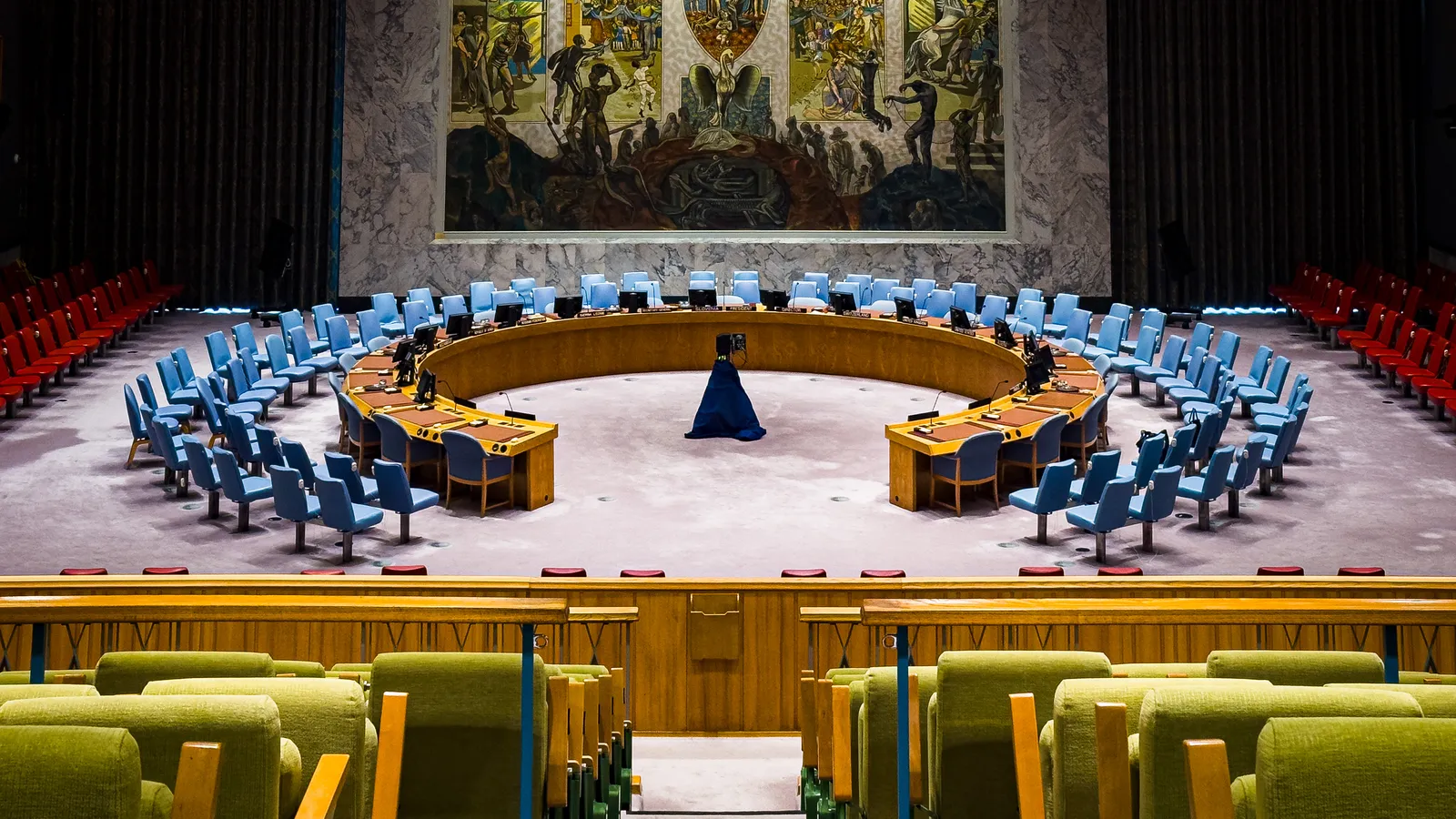
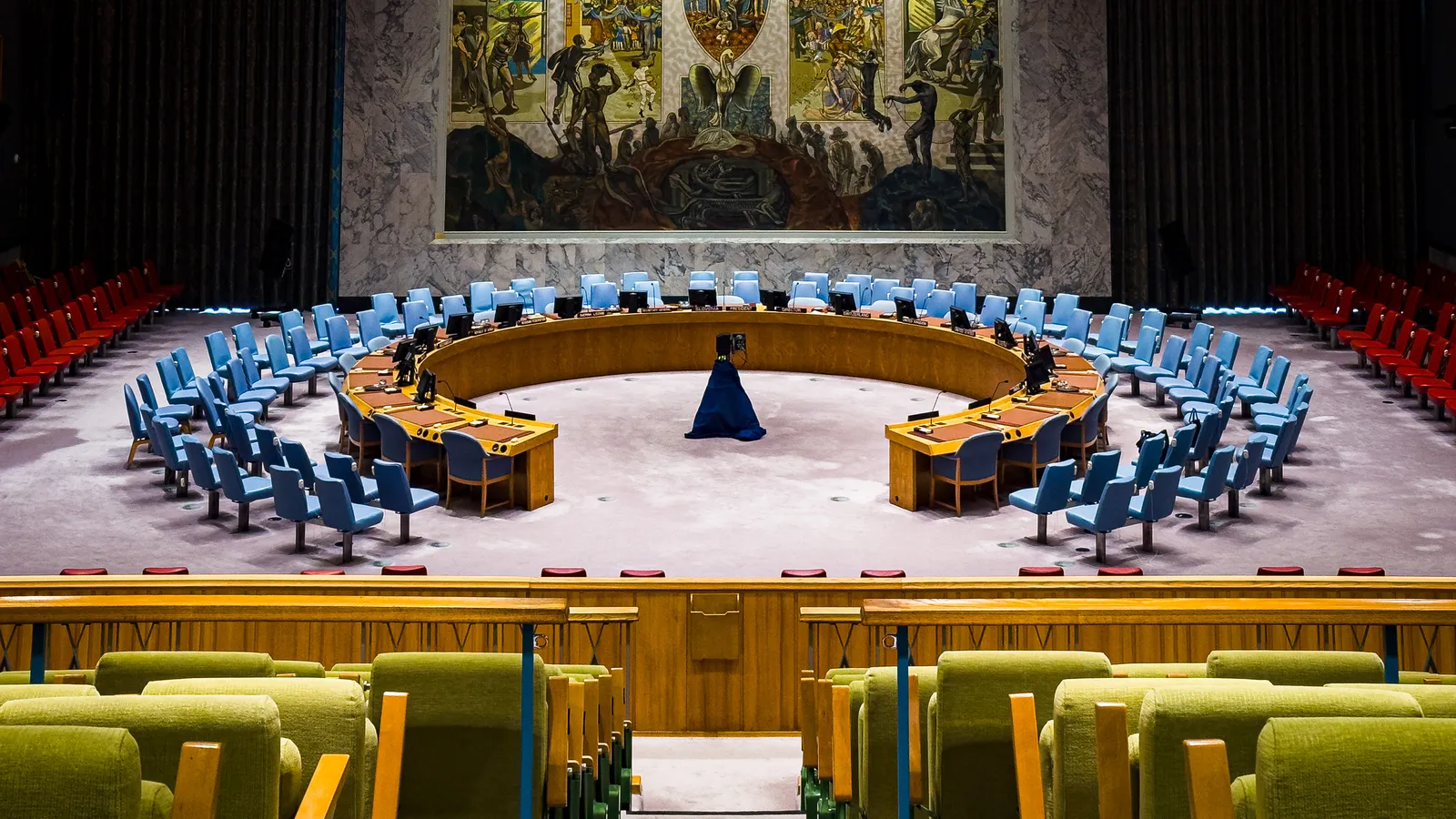
On Thursday the United Nations Security Council adopted a presidential statement with a title that reads like a plain truth: “The Role of Diplomacy during Active Hostilities”. Pakistan started it. Its ambassador, Syed Haider Shah, put the message in one line: diplomacy must not end when hostilities begin, and becomes even more indispensable once they do.
It is easy to dismiss a statement like this. The Council issues many, and a presidential statement, unlike a resolution, is not legally binding. Cynics will say wars are fought by men who do not read Council texts. They are partly right. But I think the statement deserves more attention than it will get, for three reasons, and I also think it comes with a warning.
The first reason is that it names a habit many governments fall into. Once the shooting starts, talking to the other side can feel like weakness. Channels are cut, envoys are recalled, and everyone waits for the battlefield to decide. The Council’s text says the opposite: communication, direct or through intermediaries, helps prevent miscalculation, protects civilians and creates openings for a ceasefire. It also says ending the fighting is not the end of the job, because without political engagement afterwards the peace does not last.
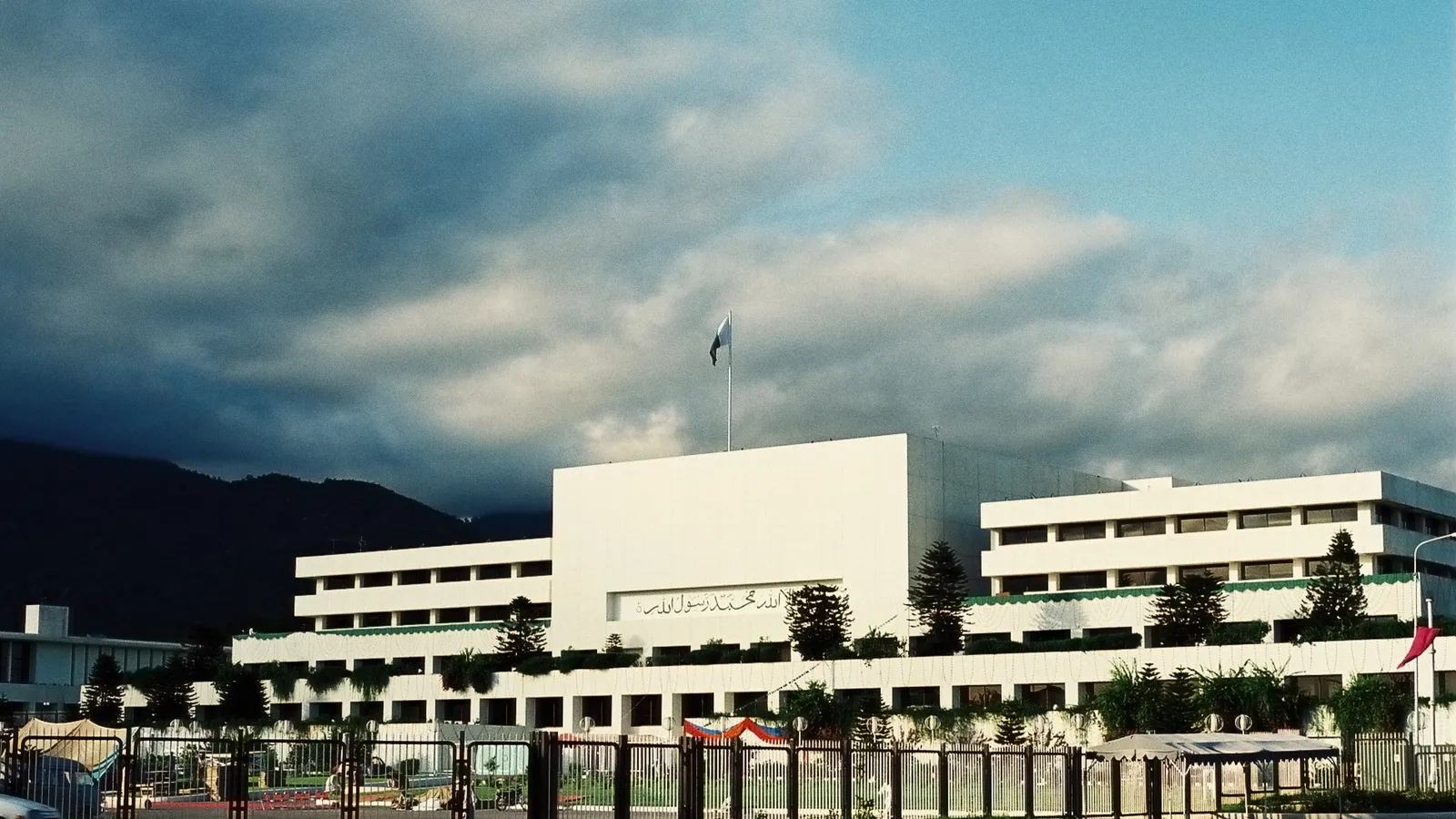
The second is that the principle fits Pakistan’s own record. Islamabad hosted the first face-to-face US-Iran talks in 47 years this year, and it has kept open its lines to Tehran, Riyadh and Washington throughout the Gulf war. A country that has done the hard work of mediation has earned the right to ask the Council to endorse it. The statement also builds on Resolution 2788, which the Council adopted unanimously under Pakistan’s presidency in July 2025. That is the kind of steady, patient diplomacy that a mid-sized state can do well.
The third is the signal it sends to smaller countries and to regional organisations. The text says mediation by individual states and by regional bodies is a contribution, not an interference, and it backs the Secretary-General’s good offices. For countries that are tired of being told that war is a matter for great powers alone, that matters.
Now the warning. A principle is only as strong as its use. It is one thing for fifteen members to agree that diplomacy must continue during war. It is another to apply it to the wars that are actually going on.
Take Gaza. The health ministry’s toll is now above 74,000 since October 2023, and the ceasefire is stalled. A Council that has just said diplomacy is essential during hostilities cannot go on looking away from a conflict where civilians have paid the highest price. If the new statement means anything, it must mean sustained effort there: humanitarian access, a ceasefire that holds, and a political track that does not depend on one capital’s patience.
Take Iran. The war that began on February 28 has not been settled, and mediators from Qatar and Pakistan are carrying proposals back and forth while threats fly in public. Washington says Iran is not doing anything without its approval; Tehran says its forces are stronger than at the start. The Council statement is a useful reminder that the room for talks should be protected, not mocked. Every day the channel stays open is a day in which escalation is less likely.
And take Ukraine, where fighting continues and diplomacy keeps starting and stopping. The same principle applies. A standard that is used only against one side’s wars is not a standard at all.
That is why consistency is Pakistan’s greatest asset in this effort. Its mediation is believable because it talks to everyone. The moment it appears to favour one party, the channel loses its value. I would like to see Islamabad press the Council to use the new text in its working discussions, for example by asking the Secretary-General to report back on what diplomacy has been tried in each active conflict, which the statement itself invites.
There is a domestic lesson too. A country that asks the world to keep talking in wartime should show the same patience at home, with its neighbours and between its own political camps. Credibility abroad is built from conduct at home.
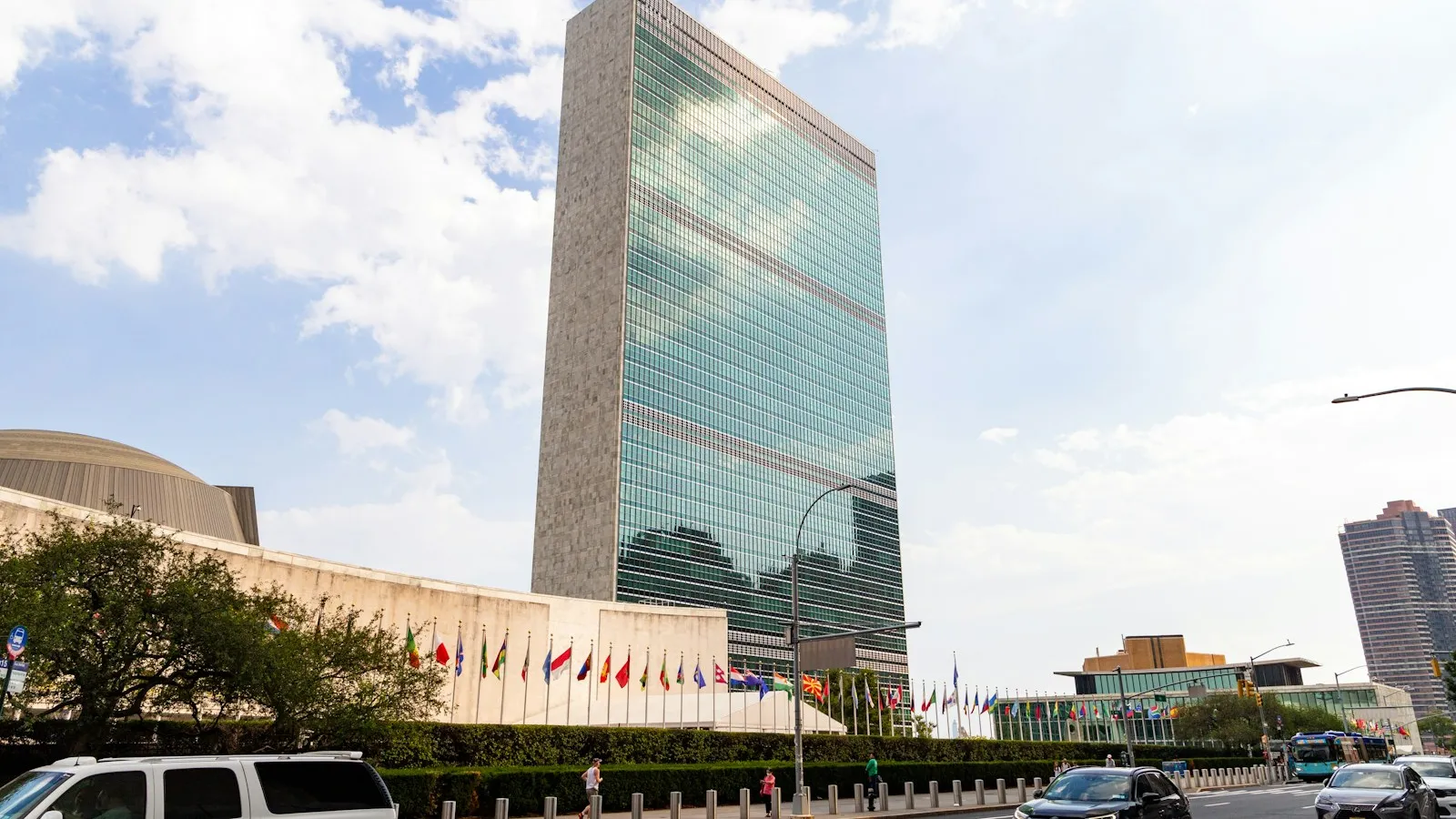
So I welcome the statement, with open eyes. It is a good text, started by a country that practises what it preaches. Its worth will be measured not in New York, where it was adopted, but in the places where people are still being killed, and where the first sign of seriousness would be a table, a mediator and a calendar for the next round of talks.

Comments
Comments are reviewed by our editors before they appear. Please keep them civil and on topic. See our terms.
No comments yet. Be the first to share your view.