
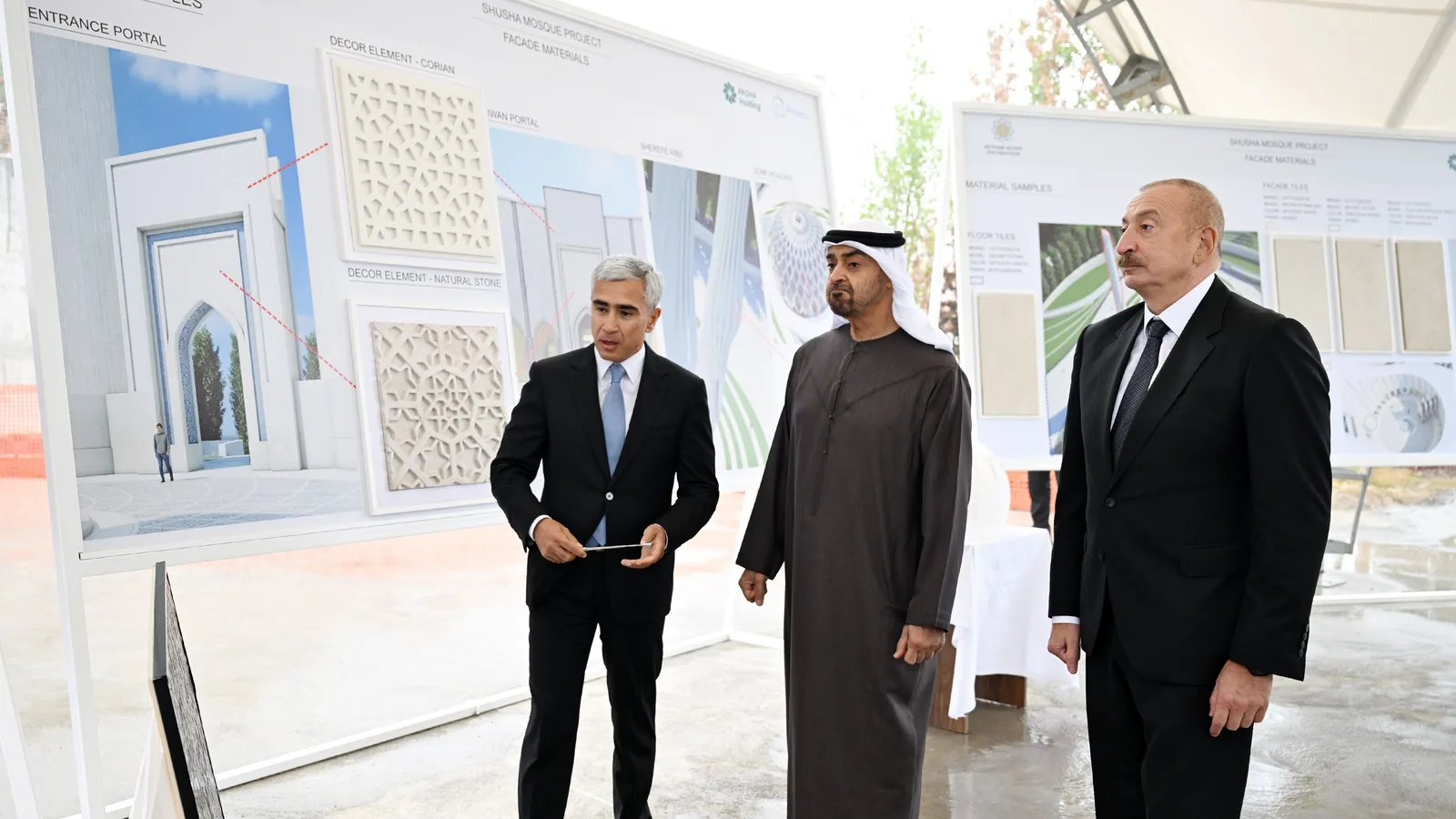
The United Arab Emirates has confirmed that its president held talks with Israeli Prime Minister Benjamin Netanyahu during a visit to the country, as Saudi Arabia reached out to the UAE’s leadership to repair a rift between the two Gulf powers over Yemen.
UAE President Sheikh Mohamed bin Zayed Al Nahyan “discussed bilateral relations” with Netanyahu during a visit made at the president’s invitation, the UAE state news agency WAM said, according to Reuters and AFP.
Six hours in the Emirates
The visit took place on Sunday and lasted six hours, according to three senior Israeli officials. Netanyahu’s office said the visit “focused on strengthening relations between the two countries and on regional challenges”, while the Israeli officials said Iran was the main focus.
The trip was not announced in advance. Israel’s domestic security agency, Shin Bet, filed a complaint against Israel’s Channel 12 television for publishing details of the visit while Netanyahu’s plane was still outside Israeli airspace, saying the report endangered the delegation, which included the head of the Mossad intelligence agency.
The Abraham Accords
The UAE established ties with Israel in 2020 under the Abraham Accords, and has since built close relations with both Israel and the United States. The relationship gives the UAE influence in the region and access to Washington.
The meeting comes as the war involving Iran continues. The US and Iran are exchanging messages through Qatari mediators, and on Tuesday US President Donald Trump denied offering Iran sanctions relief as oil prices climbed to about $107 a barrel.
A Saudi olive branch
At the same time, Saudi Arabia has moved to heal a public falling out with the UAE. Saudi Defence Minister Prince Khalid bin Salman invited the UAE’s Vice President, Sheikh Mansour bin Zayed Al Nahyan, to visit the kingdom, AFP reported, and Sheikh Mansour accepted, according to a statement from the Saudi defence ministry.
The visit would be the first public face-to-face meeting between the two sides since the rift emerged in July.
What divided them
The two countries have disagreed over Yemen. Saudi Arabia has come under sustained attack from the Houthis, who have targeted tankers, oil facilities, airports and the Saudi capital, and Riyadh has been seeking international support, particularly from the United States, to counter the group. The UAE-backed Southern Transitional Council (STC) represents a different set of interests in Yemen’s south.
In July, senior figures from both countries posted messages of “friendship and unity” on social media in an effort to calm tensions, and Turki Alalshikh, chairman of Saudi Arabia’s General Entertainment Authority, shared a photograph of Prince Khalid with Sheikh Mansour.
Pakistan’s interest
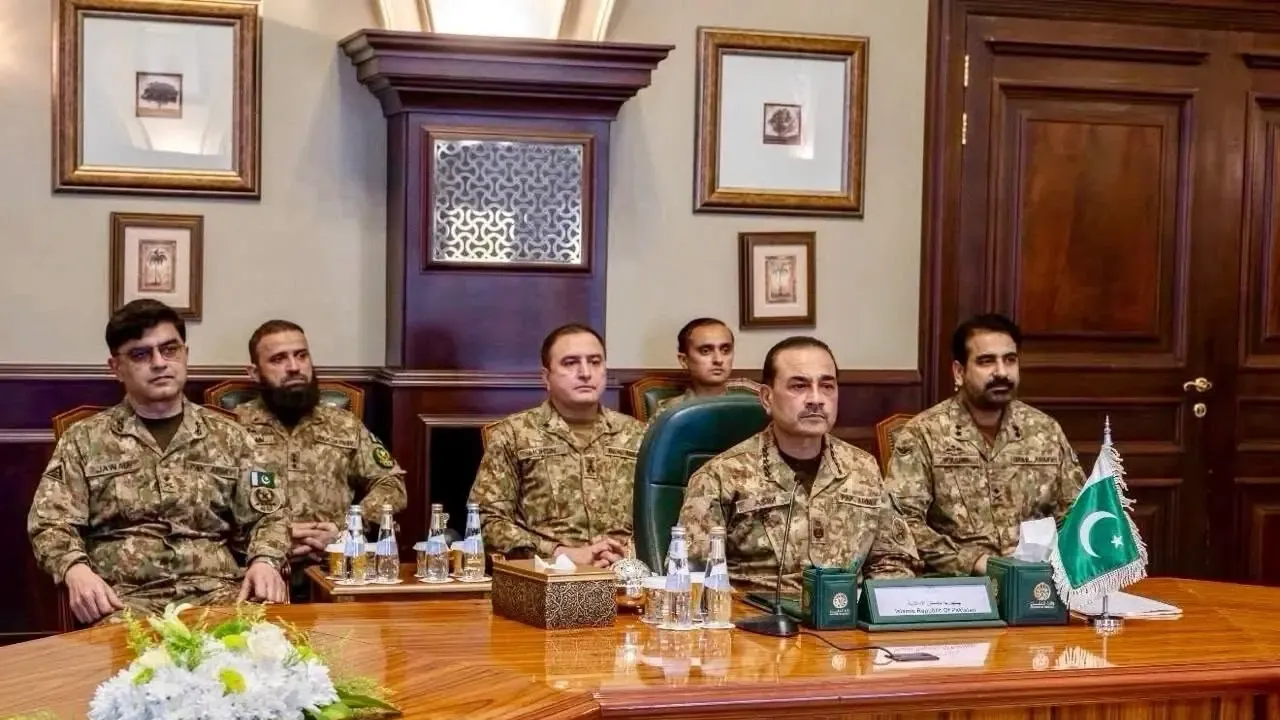
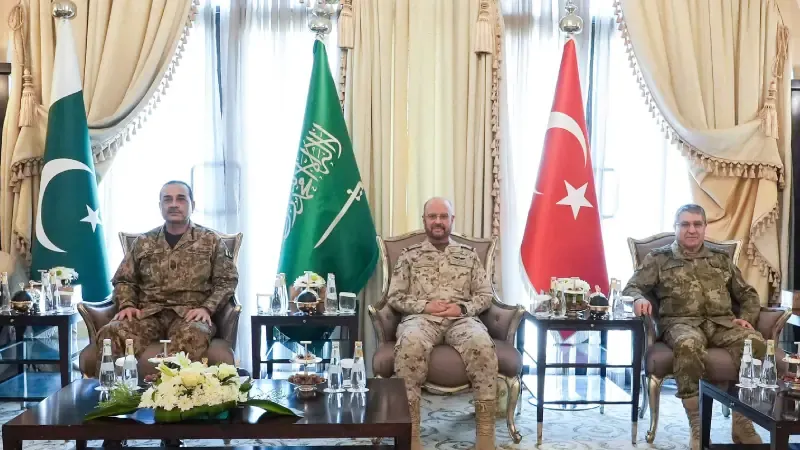
For Pakistan, which has close ties with both Saudi Arabia and the UAE and millions of citizens working in the Gulf, unity between the two states matters. Prime Minister Shehbaz Sharif backed Saudi Arabia and the new Makkah defence alliance in his speech at the UN General Assembly last week, amid Houthi attacks on the kingdom.
Why it matters
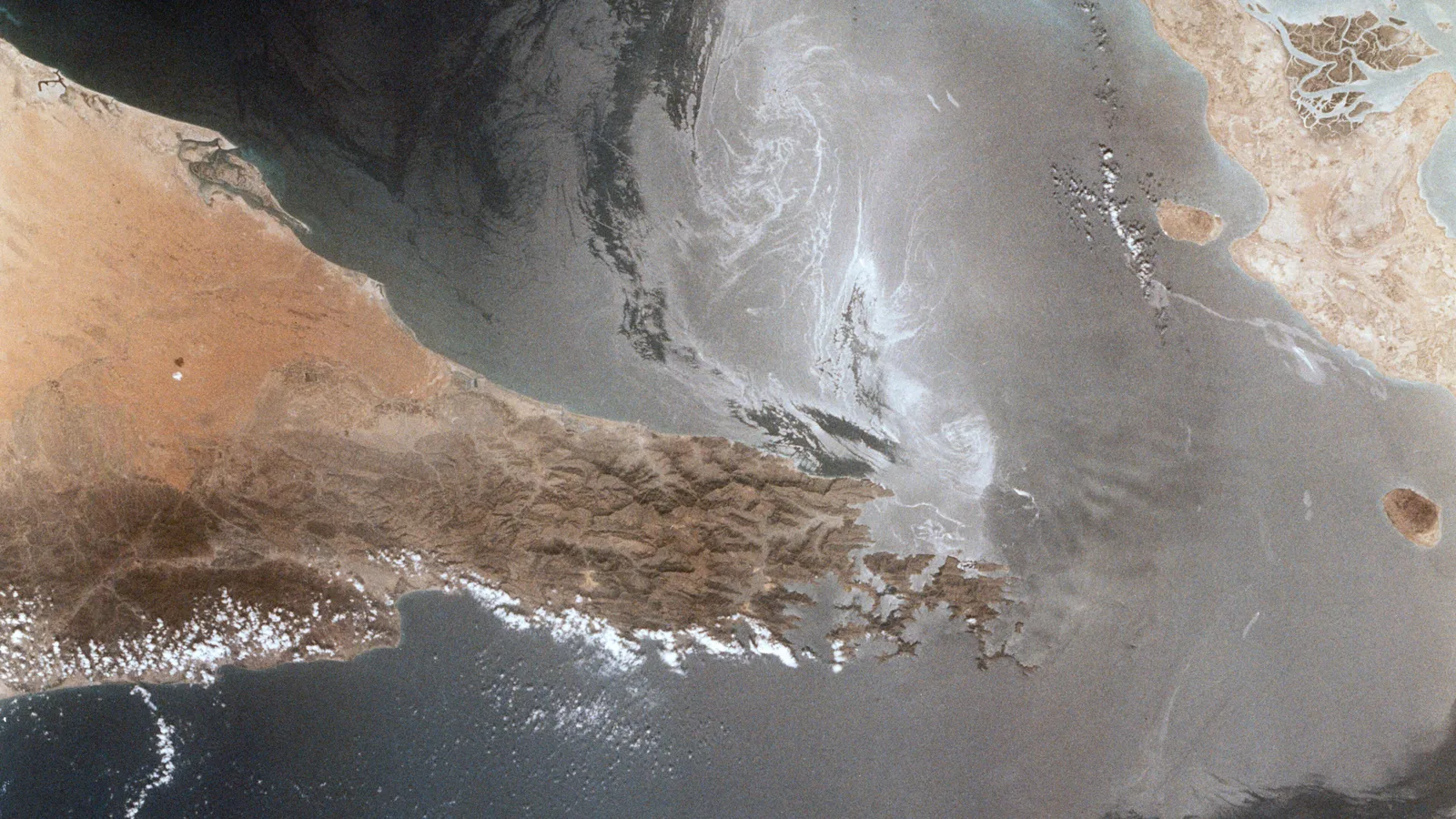
The two developments show the Gulf’s leading states repositioning as the war with Iran drags on. The UAE is deepening its ties with Israel, with Iran at the top of the agenda, while Saudi Arabia is moving to close ranks with its neighbour. How these relationships develop will shape the region’s response to the conflict, and to any settlement over the Strait of Hormuz.
This article draws on reporting by Reuters, AFP and Dawn.
Comments
Comments are reviewed by our editors before they appear. Please keep them civil and on topic. See our terms.
No comments yet. Be the first to share your view.