
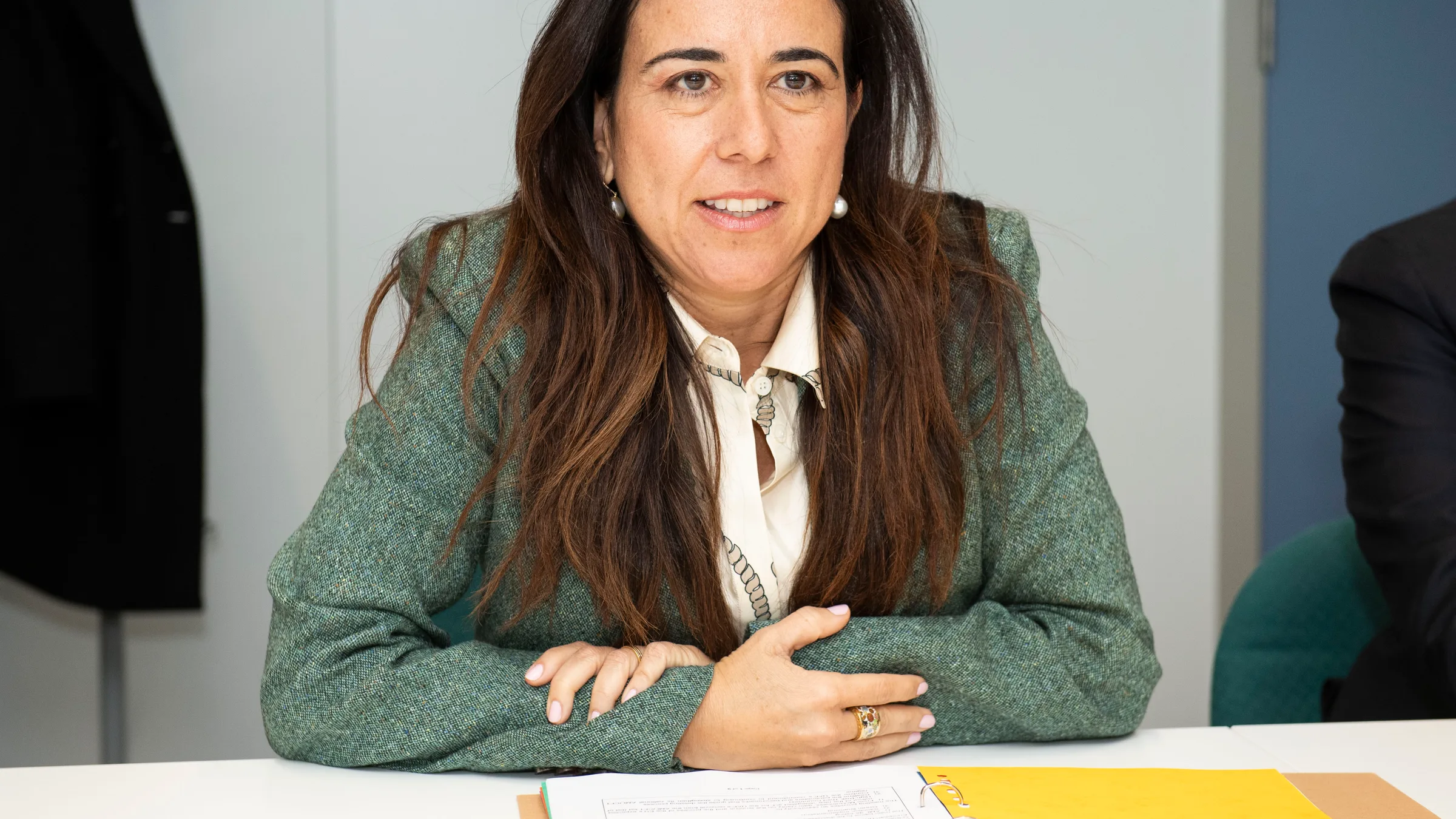
An Emirati official of Palestinian descent, Lana Nusseibeh, has emerged as a late frontrunner in the race to lead the United Nations, campaigning on a reformist agenda and a promise to work for peace, AFP reported, as carried by Dawn and Geo News.
Since her official nomination on Wednesday, she has gained the backing of Gulf states, but she has also faced scrutiny over her country’s normalisation with Israel and Abu Dhabi’s alleged role in Sudan’s war.
A historic bid
If she succeeds, Nusseibeh would be the first woman and the second Arab to get the job, in what would be a coup for the United Arab Emirates, a Middle East power that was under Iranian attack earlier this year. In a campaign video she promises to “bring greater urgency to the work for peace” and “defend human rights”.
Nusseibeh, 48, stepped down from her post as minister of state at the foreign ministry and as envoy to the UN and the EU to campaign. A career diplomat, she served as the UAE’s permanent representative to the UN from 2013 to 2024, the first woman to hold the post. “Lana Nusseibeh has a thick CV,” said Emirati political scientist Abdulkhaleq Abdulla. “She brings in the best of the UAE’s diplomacy.”
Nickolay Mladenov, the high representative for Gaza under a US-backed “Board of Peace”, said she “does not give up when the room gets difficult”. “She is relentless, but never in a way that overwhelms people,” he said.
Her background
Nusseibeh comes from a prominent Palestinian family of statesmen who were uprooted by the creation of Israel in 1948. Her family has traditionally held the keys to the Church of the Holy Sepulchre in the walled Old City of Jerusalem. Her grandfather was defence minister in Jordan in the 1950s, and her father Zaki Nusseibeh was an adviser and interpreter to the UAE’s late founding president Sheikh Zayed; he is now cultural adviser to the UAE president and was also a minister of state. She holds two master’s degrees, including one in Israeli and Jewish diaspora studies from the University of London, and has two sons.
Criticism
The nomination has drawn criticism on two fronts:
- Israel ties: Nusseibeh has defended the Abraham Accords, under which the UAE normalised ties with Israel in 2020, which has drawn criticism from pro-Palestinian activists and commentators on social media.
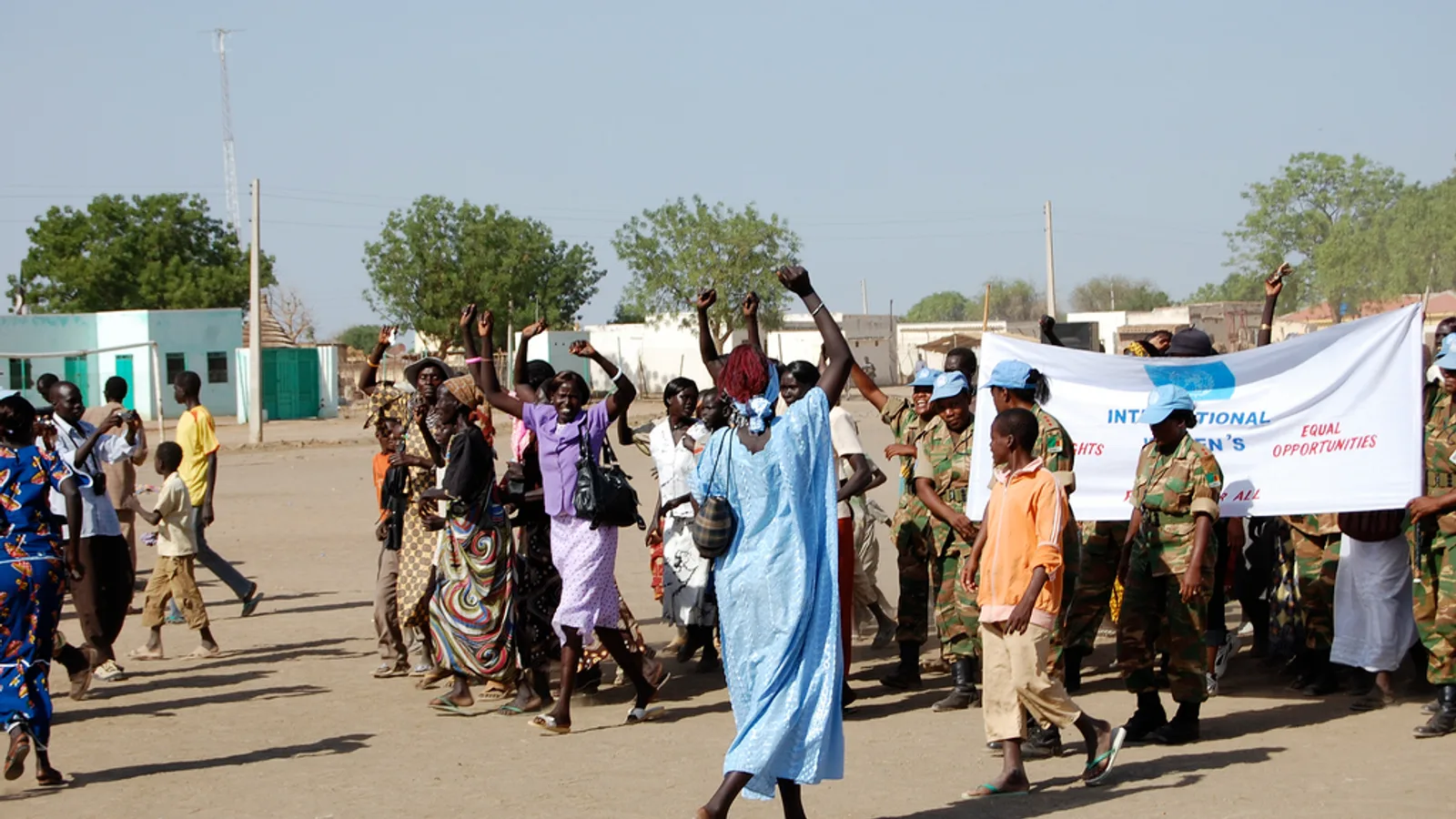
- Sudan: the UAE is accused of backing the paramilitary Rapid Support Forces (RSF) in the war that has gripped Sudan since April 2023 and that the UN calls one of the worst humanitarian crises in the world. The UAE denies the accusation. “There is no candidate that is short of criticism… We’ll just have to deal with it, especially the Sudan file,” Abdulla told AFP. He said the UAE had stated “time and again” that these were media allegations and that it neither sends arms to nor finances the RSF.
The politics of the race
By tradition, the UN’s top job rotates between regions, which would point to a candidate from Latin America this time. But US ambassador to the UN Mike Waltz recently said the focus should be on choosing the “best candidate” rather than on region or gender.
In the most recent informal straw poll, held last week to gauge which candidates have a chance, every contender received an effective veto. Five of the 15 members of the Security Council hold veto power and can block any candidate they find unacceptable, and on Friday all seven candidates received at least two vetoes, according to the report.
Why it matters
The next secretary-general will lead the UN at a time of wars in Iran, Yemen, Gaza, Sudan and Ukraine. Nusseibeh’s candidacy combines a Palestinian family history with a country that has normalised relations with Israel, which has already drawn criticism from pro-Palestinian activists. Whether any candidate can win the backing of all five permanent members of the Security Council is far from certain, and her late entry means the next straw polls will show if she can overcome the vetoes.
This article draws on reporting by Dawn, Geo News and AFP.

Comments
Comments are reviewed by our editors before they appear. Please keep them civil and on topic. See our terms.
No comments yet. Be the first to share your view.