

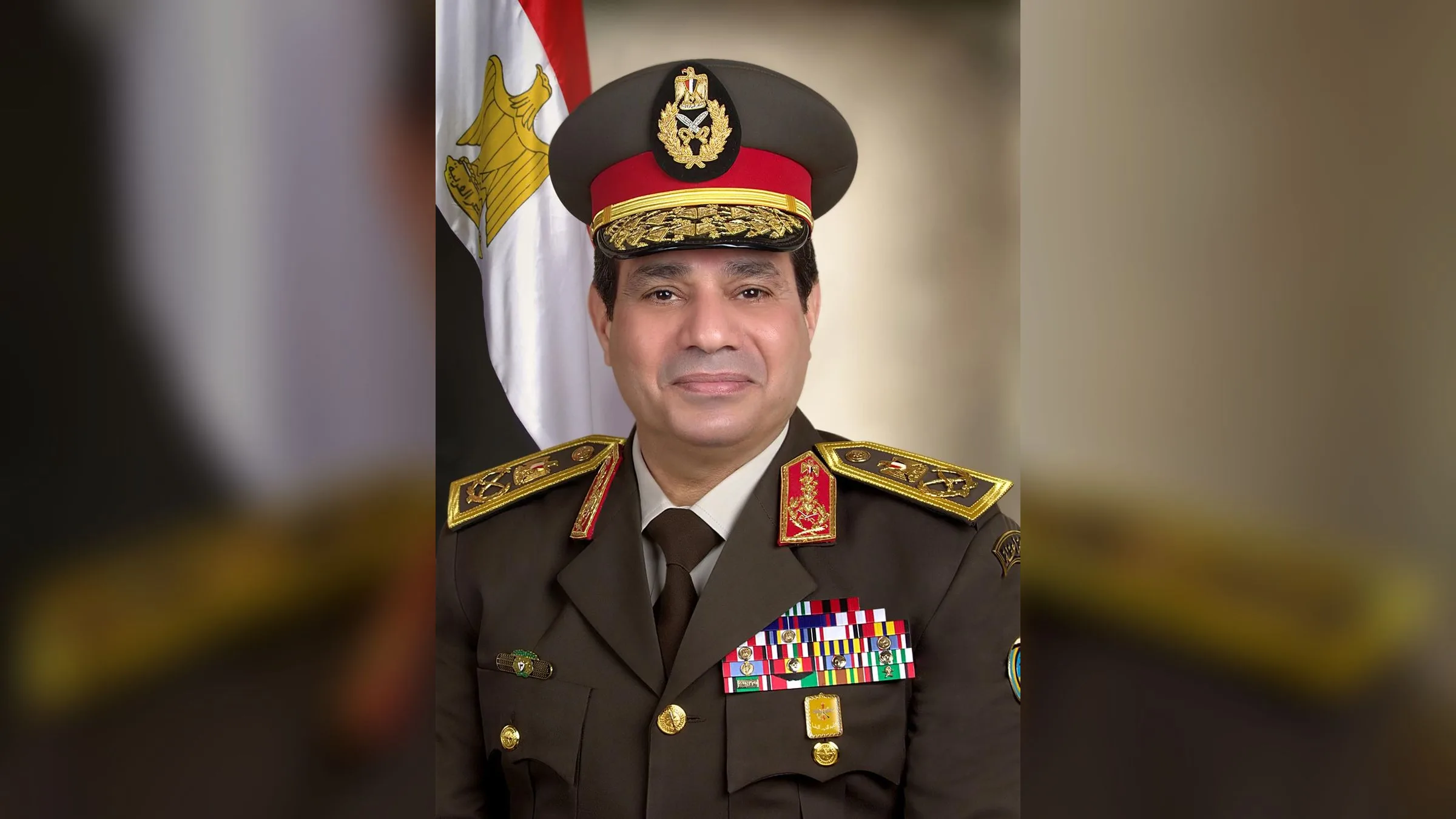
Egyptian President Abdel Fattah el-Sisi said on Wednesday that Egypt’s military effort to defend Saudi Arabia would not include an attack on Yemen and would be limited to protecting the kingdom’s territory and borders, according to a statement from his spokesperson.
The statement, reported by The Express Tribune citing Reuters, set out the limits of a possible Egyptian role days after Sisi said Cairo would take all necessary measures to defend Saudi Arabia if asked.
What Egypt says it will and will not do
The presidency said Egypt would also defend the territory of any other Arab country that asked for help. But its military effort would not go beyond Egypt or the fellow Arab state whose security and stability Cairo was seeking to protect.
Sisi said Egypt’s support for Gulf states was an extension of shared Arab national security. He said Egypt would act in line with the directions of Saudi Arabia’s King Salman bin Abdulaziz and Crown Prince Mohammed bin Salman.
Parliament delays its vote
On Monday, Egypt’s parliament postponed until October 26 a vote on authorising the armed forces to support Saudi Arabia if requested, lawmakers said. The delay extends debate over what could become a deeper Egyptian role after recent attacks by Yemen’s Houthis.
Why now
Yemen’s Iran-aligned Houthis have in recent days attacked Riyadh’s international airport and the state oil company Saudi Aramco. The attacks have come amid renewed fighting with the Saudi-backed forces of Yemen’s internationally recognised government after a truce collapsed.
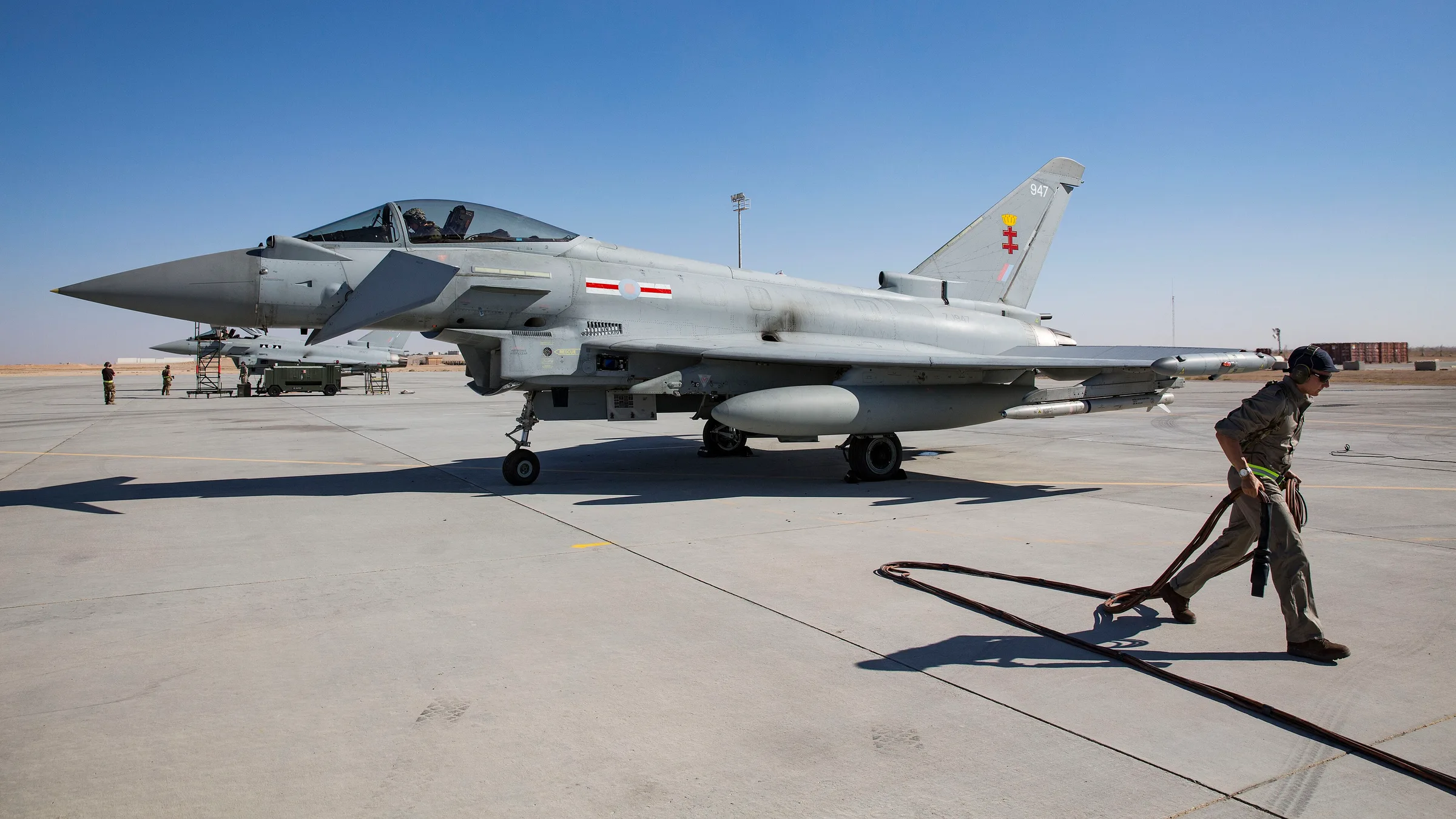
Several countries have moved to back Riyadh. Britain has said its Typhoon jets are helping to defend Saudi Arabia against Houthi missiles, and Pakistan has pledged to defend the kingdom under the Makkah defence pact.
Turkey is moving in a similar direction. A lawmaker from Turkey’s ruling party said parliament would be given a mandate to send military personnel to Saudi Arabia under the Makkah pact, limited to defensive roles. Like Cairo, Ankara has framed its role as defensive.
Inside Yemen, the war has displaced more than 250,000 people between August 1 and October 17, the UN refugee agency UNHCR has said. Yemen’s civil war reignited in September after a years-long truce collapsed, and Saudi Arabia, the Yemeni government and the United States accuse Iran of backing the Houthis, which Tehran denies.
The crown prince visited Sisi on September 15, after the new outbreak of fighting in Yemen, to discuss issues including security and navigation in the Red Sea.
Old partners, a past war
Egypt and Saudi Arabia are close strategic and economic partners. Saudi Arabia and other oil-rich Gulf states gave Egypt billions of dollars in aid, central bank deposits and investment after the military removed Islamist president Mohamed Morsi in 2013.
Egypt also joined the Saudi-led coalition that intervened in Yemen in 2015 to support the government against the Houthis.
Wednesday’s statement draws a line between defending Saudi territory and joining any offensive in Yemen. Egyptian lawmakers are due to vote on the authorisation on October 26.


Comments
Comments are reviewed by our editors before they appear. Please keep them civil and on topic. See our terms.
No comments yet. Be the first to share your view.