

Oil prices rose on Friday and were on track for a fourth monthly gain as traders braced for a possible escalation in the US-Iran conflict after the American midterm elections, with an attack on a tanker in the Strait of Hormuz underlining the risk to supply, The Express Tribune reported, citing Reuters.
The price move
By 0845 GMT, Brent crude futures for December, which expire on Friday, were up $2.27, or 1.98 per cent, at $117.15 a barrel. The more active January contract gained $2.19 to $112.99. US West Texas Intermediate (WTI) rose $1.79, or 1.75 per cent, to $103.79. For October as a whole, Brent was heading for a 13 per cent gain and WTI for a 15 per cent jump.
“The oil market is getting increasingly spooked as we approach the midterms,” said Ole Hansen, head of commodity strategy at Saxo Bank. He said some investors and analysts expected US attacks on Iran to resume after the elections.
The tanker attack
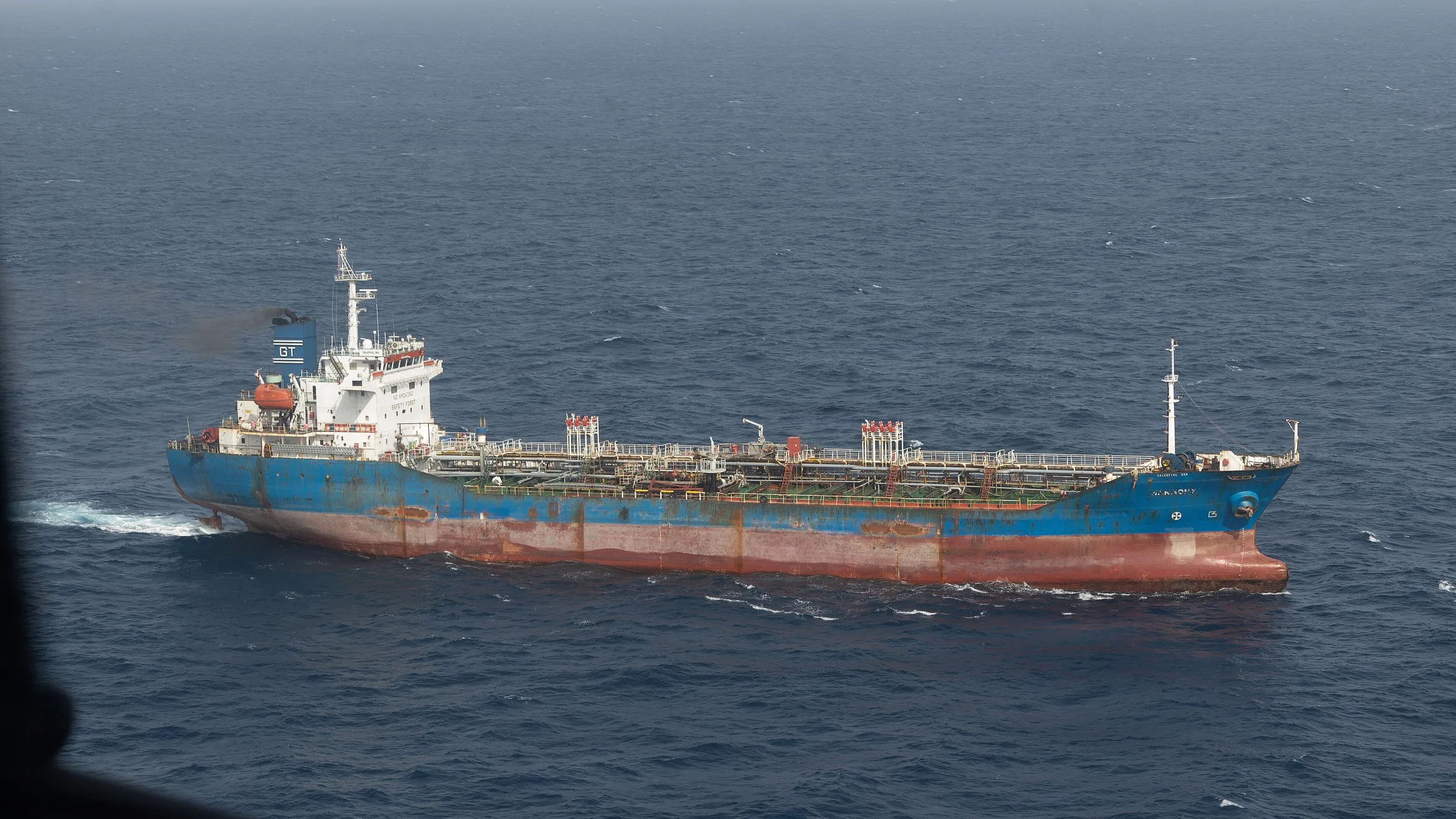
The UK Maritime Trade Operations centre (UKMTO) said a vessel in the Strait of Hormuz, the main sea route for Gulf crude and fuel, was hit by explosive devices attached by a small boat. It had received a report of an outbound vessel on fire about 25 nautical miles north-east of Khasab, Oman. UKMTO later said the tanker was approached on the port side by a small boat that attached two explosive devices to the hull above the waterline; the blasts started a fire in the engine room that briefly disabled the vessel. The crew were safe, there was no environmental impact, the fire was put out and the tanker continued to its next port. It was not immediately clear who was responsible.
UKMTO advised ships to transit with caution and report suspicious activity. Saul Kavonic of MST Marquee said continued “kinetic action” around Hormuz, together with doubts about a diplomatic path, was keeping prices high in expectation of escalation.
Diplomacy and the Gulf
Qatari mediators returned to Tehran on Friday as part of coordinated efforts to reach a deal between the US and Iran, an official briefed on the talks told Reuters. UBS commodity analyst Giovanni Staunovo said a higher likelihood of escalation and supply disruption was still visible, because Iranian officials had been cautious about a short-term deal. Iran’s semi-official Tasnim news agency said Tehran had received a letter from US Vice President JD Vance but had not replied, and that Tehran wanted the US to meet its conditions.
On Thursday, Yemen’s Houthis said they had attacked several sites in Saudi Arabia, including the Ras Tanura refinery, the Rabigh refinery and an Aramco facility at Abqaiq; a Saudi-led coalition said it intercepted a Houthi cruise missile launched at the kingdom’s western region. ExxonMobil and Chevron cancelled plans to send executives to the UAE’s largest oil show next week, according to two sources.
Where prices could go
Saxo Bank said oil could be even more volatile over the next couple of weeks because of Israel’s election and the US midterms. It said crude was likely to trade in a range of $70 to $90 a barrel even after the war ends, compared with $60 to $70 before it, because of the risk of renewed fighting and the need to rebuild inventories.
Why it matters for Pakistan
Pakistan imports most of its fuel, so crude at these levels feeds quickly into petrol, diesel, LPG and power costs; our report on this week’s weekly inflation reading shows annual increases of more than 40 per cent in petrol and diesel prices. The World Bank has forecast Brent averaging $92 for the year, as we reported in its commodity outlook, and in early October tanker attacks had already pushed prices above $102; see that earlier report. The decisive factors are outside Pakistan’s control: the outcome of the Qatar-led mediation, and whether the US acts after November 3. A deal could pull prices down quickly, and a new round of strikes would push them higher.
This article draws on reporting by The Express Tribune and Reuters.
Comments
Comments are reviewed by our editors before they appear. Please keep them civil and on topic. See our terms.
No comments yet. Be the first to share your view.