

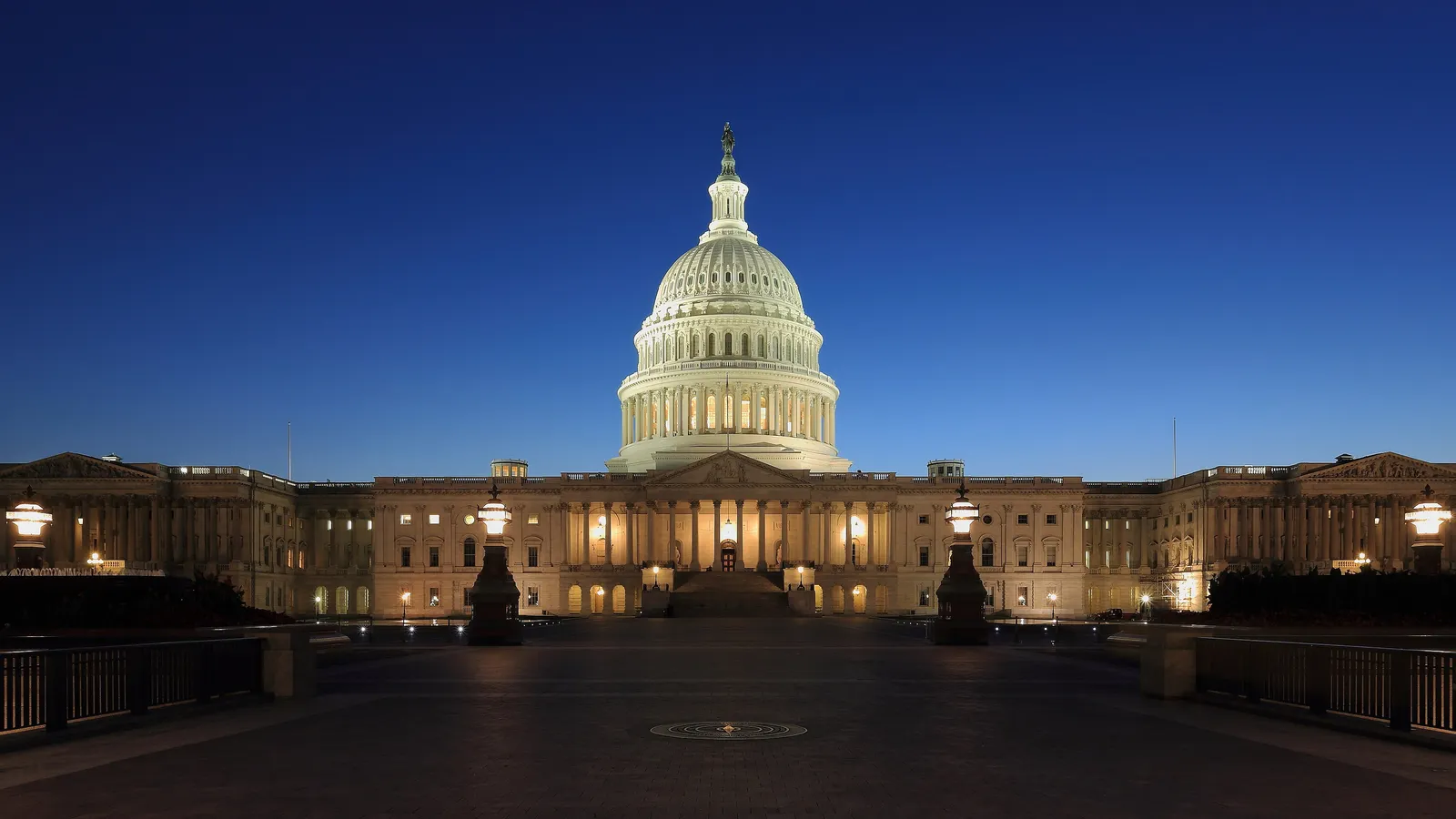
Democrats have won control of both chambers of the US Congress in a sweeping midterm victory that reached deep into Republican strongholds, delivering a sharp rebuke to President Donald Trump, according to media projections reported by Reuters and AFP. Dawn and The Express Tribune carried the reports.
How the vote went
Democrats flipped six Republican-held Senate seats, enough for a majority even if they lose their own competitive seats in Michigan and Minnesota, and flipped at least eight Republican House seats. Many of the wins came in states Trump carried in 2024:
- Kansas: Adam Hamilton, a Methodist minister, beat Senator Roger Marshall and became the first Democrat elected to the Senate from the state since 1932.
- Texas: state representative James Talarico beat Attorney General Ken Paxton, whom Trump had backed, and Democrat Gina Hinojosa unseated Governor Greg Abbott.
- Ohio and South Carolina: Democrats Sherrod Brown and Annie Andrews won, the latter defeating Senator Darline Graham.
- Iowa: the first Democratic Senate win there since 2008.
- Georgia: Senator Jon Ossoff held his seat, and Keisha Lance Bottoms became the first Black woman elected governor in US history.
- California: Xavier Becerra won the governorship.
- Michigan: Abdul El-Sayed declared victory in the Senate race, according to AFP’s caption, though the projection was not final in the reports we drew on.
Republicans had some bright spots: Byron Donalds won Florida’s governorship and Senator Ashley Moody held her seat, though by only about three points in a state Trump won by 13. The Reuters report gives a Senate total of 53 Democratic seats in one line and a 51st seat in another, so we have left the exact count out until it is certified.
Why voters turned on Trump
Exit polls by SSRS for a media consortium found that half of voters saw the election as a chance to rebuke the president and three-quarters were angry or dissatisfied with the country’s direction. Seventy per cent wanted Congress to put more checks on the president. Voters spoke of rent, groceries and utility bills, and of the war on Iran that began in February, which pushed US gasoline prices up. Trump told Fox News voters “probably weren’t willing to do the short-term consequence of paying more for gasoline”, calling it “a short-term problem, but for long-term gain”.
On election night he posted that he was not on the ballot and “if I was, we would have won in a landslide”. He later told The New York Times he was “absolutely willing to accept those results” and would “work with the Democrats”, but he also posted a picture of a red cap with the word “VETO”.
What the Democrats can do
House Democratic leader Hakeem Jeffries, in line to be the first Black speaker when the new Congress meets in January, promised an early push on affordability: restoring health insurance subsidies, reversing Medicaid cuts and rolling back tariffs. With committee control, Democrats can summon officials and demand documents. Robert Garcia, expected to chair the House Oversight Committee, wrote “LAWYER UP” to Republicans. Likely subjects include the Trump family’s business dealings, immigration enforcement and the conduct of the Iran war. A third impeachment is possible, though party leaders have not committed to it, and removing a president needs a two-thirds Senate vote. Democrats can also block nominees. But Trump keeps his veto, and Senate rules let Republicans obstruct most bills, so the new majority will not have a free hand.
What it means beyond America
Because the Iran war was one of the issues, how the result changes US policy on it is now an open question. Trump said on Wednesday that the US could “finish the job” if Iran does not cooperate but that a deal remains possible; see our report on Trump saying there are no immediate plans to strike Iran. He also repeated his decision to end US aid to Israel. Earlier coverage of the campaign is in our stories on the Pentagon’s $47 billion estimate of the war’s cost and on Trump cancelling rallies in the final week.
Why it matters
Until now Republicans held the majority in both chambers. That ends in January, and the contest will move to committee rooms and budget talks. For people outside the US, the questions are practical: whether Congress limits the war with Iran or pushes for talks, whether tariffs are rolled back, and whether the White House changes its course on aid to Israel and Ukraine. The next markers are certified results in Michigan and Minnesota, the choice of House and Senate committee chairs, and the first budget fight.
This article draws on reporting by Dawn, The Express Tribune, Reuters and AFP.

Comments
Comments are reviewed by our editors before they appear. Please keep them civil and on topic. See our terms.
No comments yet. Be the first to share your view.