

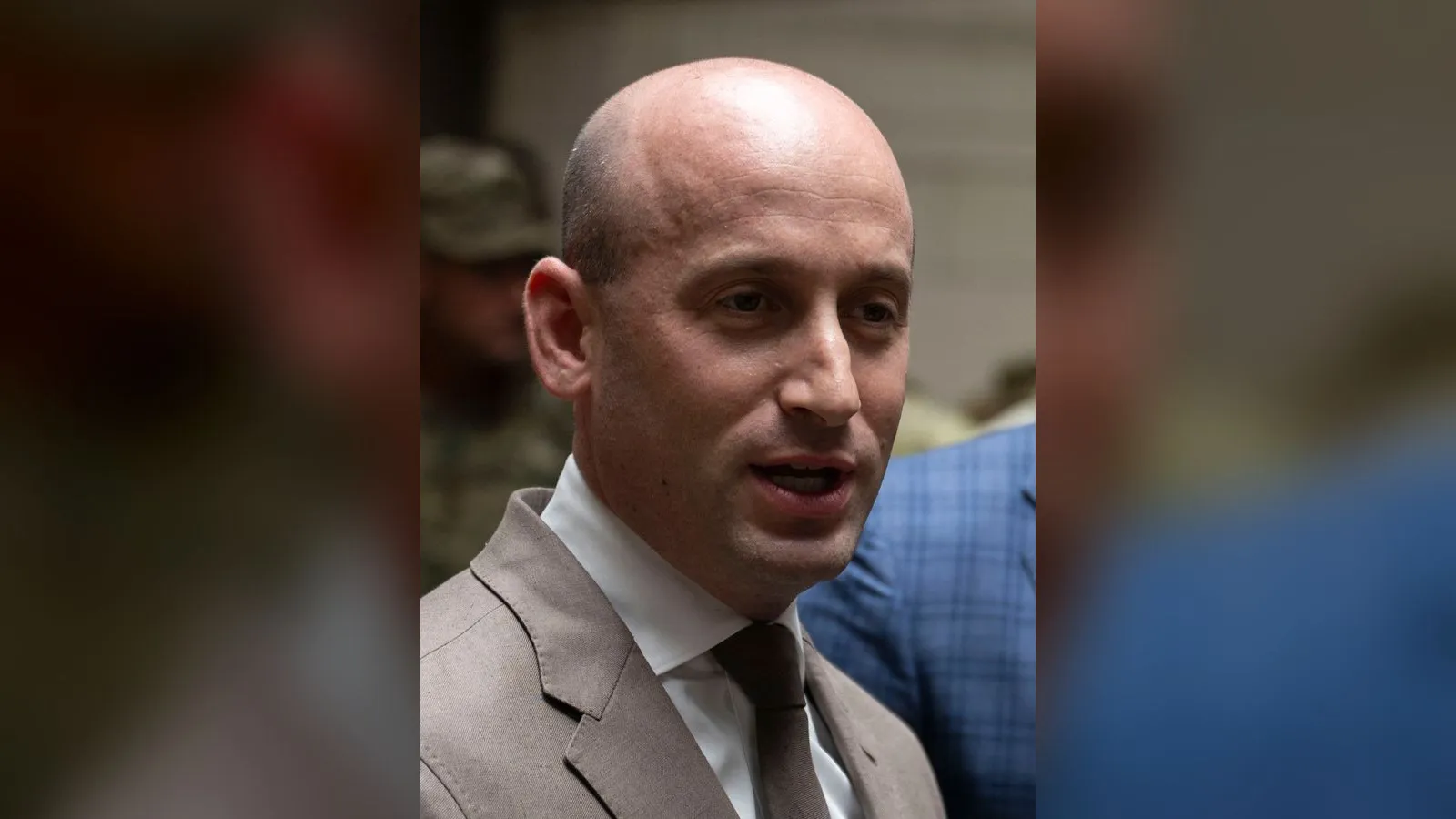
President Donald Trump has named his longtime aide Stephen Miller as White House chief of staff, handing one of the most powerful jobs in Washington to the architect of some of his hardest domestic policies, three days after Republicans lost control of Congress. The change, announced on Friday, takes effect on Monday, when Miller replaces Susie Wiles.
What was announced
Trump announced the change in a post on social media, describing Miller as “one of my most trusted advisors” and thanking Wiles for her work. Miller is 41 and is among the longest-serving people around Trump, one of the few who stayed on through both of his terms. Since 2025 he has formally been deputy chief of staff under Wiles, though Reuters said he held far more sway than that title suggests over the domestic agenda.
On X, Miller said his task was now clearer than ever: to “fight with all of our soul” for the president and for the republic.
A signal of no change
A White House official told Reuters the promotion shows that Trump will not rethink his policies and is rewarding his most loyal staff. “He’s not changing course,” the official said, even though tens of millions of voters turned against his domestic and foreign agenda on Tuesday.
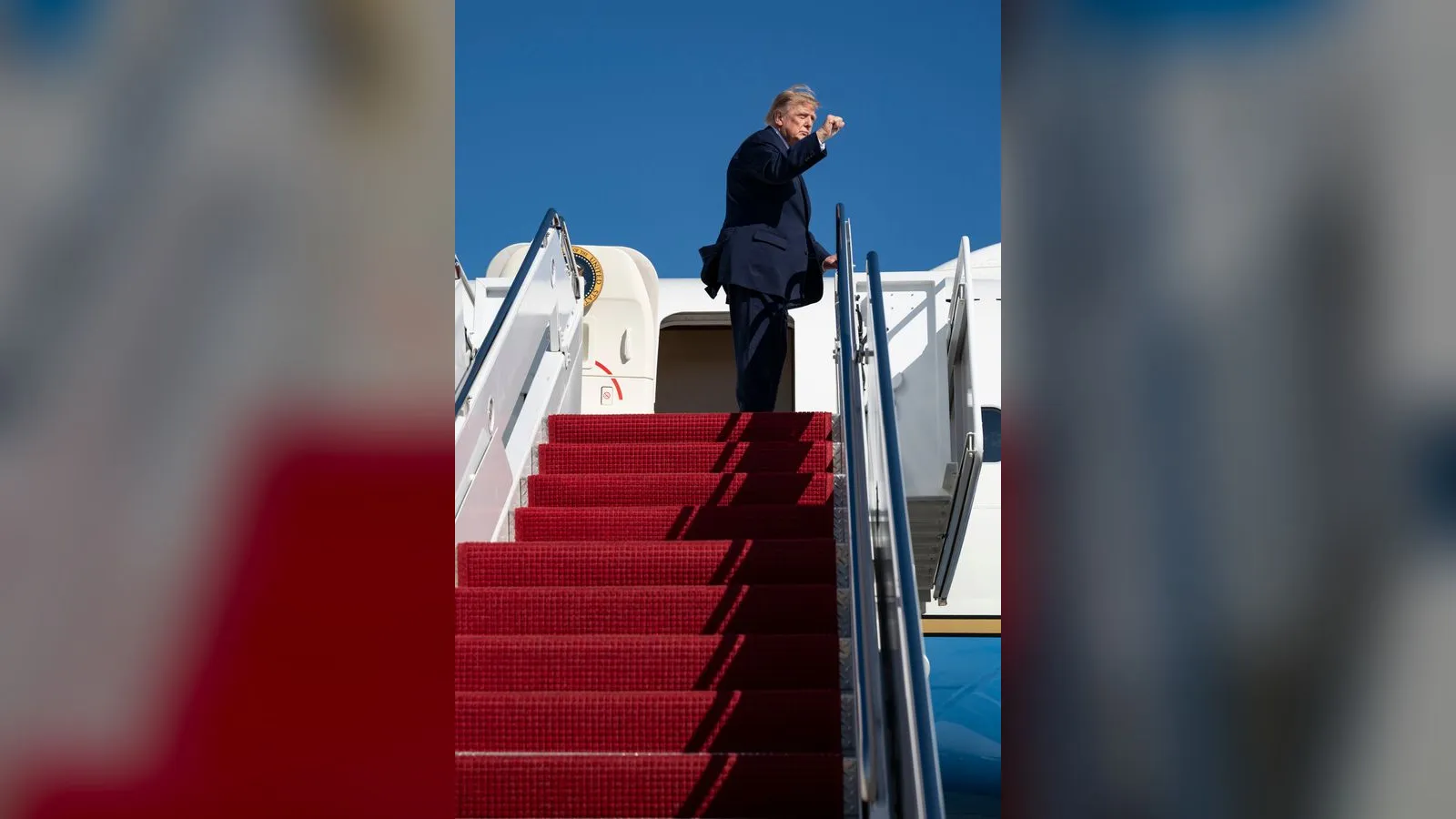
That sits uneasily beside Trump’s own remark this week that he was ready to work with Democrats. Several White House officials told Reuters that putting the combative Miller in the job could mean a harder line instead, with a fresh push on immigration and other priorities. Before the election Trump had been unhappy with his political and communications teams as his approval ratings sank close to record lows, and this week he said the White House must be “more aggressive”.
Marc Short, who served as Mike Pence’s chief of staff in Trump’s first term, said the president was gaining an aide “wed to him” who would fight Congress over immigration and over investigations. In his words, nobody should expect much bipartisan lawmaking.
The record Miller brings
- Immigration: He drove the crackdown, setting a goal of 3,000 arrests a day. Masked immigration officers were sent into communities across the country and increasingly arrested people with no criminal record who had lived in the US for decades. A Reuters/Ipsos poll taken early this week found 36 per cent of Americans approve of the crackdown and 54 per cent disapprove.
- The federal government: He was closely involved in the drive to remake the bureaucracy, which led to tens of thousands of civil servants being dismissed in 2025, and in clashes with universities and diversity programmes.
- Foreign policy: He has defended the lethal strikes on suspected drug boats in the Caribbean and Pacific, which have drawn legal objections, and has cheered the US-Israeli strikes on Iran along with the naval blockade and sanctions. Whether he keeps that line is unclear, since voters penalised Republicans this week partly over the economic cost of the Iran war.
The Democratic response
Hakeem Jeffries, who is set to become the new Democratic Speaker of the House, called Miller a “reckless extremist” on X. Representative Robert Garcia, the top Democrat on the House Oversight Committee, said his party planned to investigate Miller’s immigration policies: “Stephen Miller should lawyer up.”
Why it matters
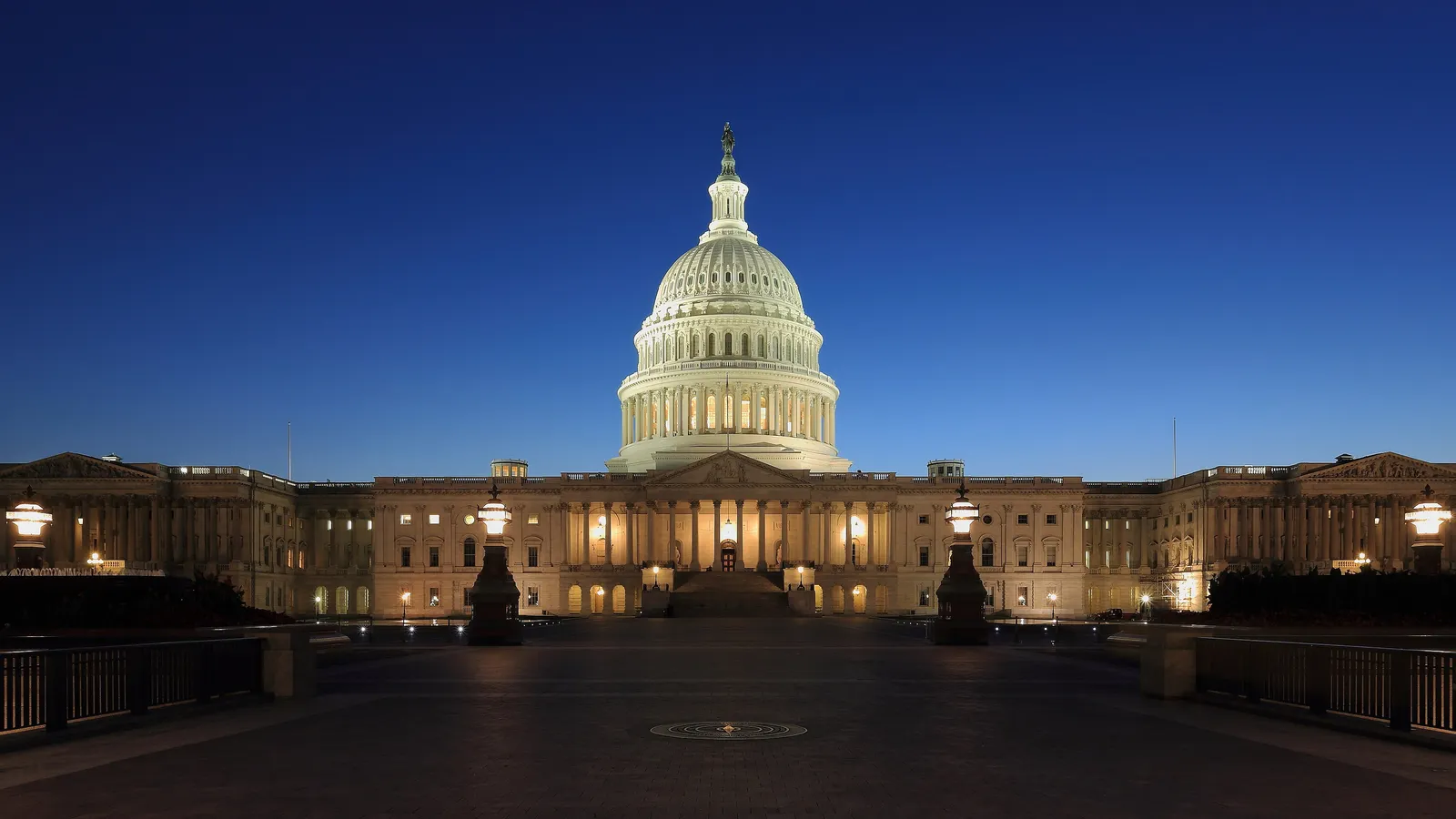
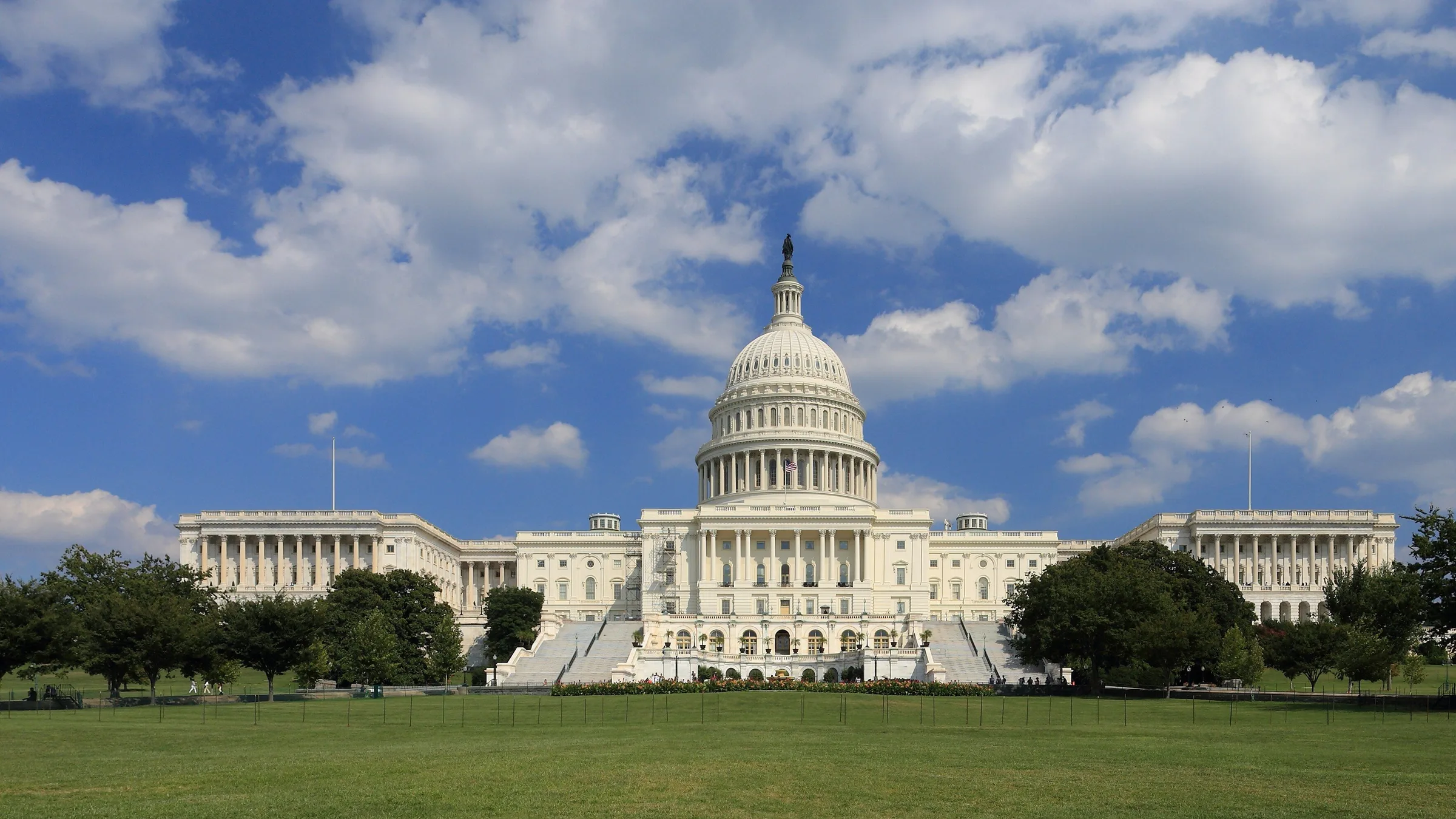
The chief of staff controls who and what reaches the president, which makes this a choice about how Trump will govern for the next two years: through negotiation with a Democratic Congress, or through executive power and confrontation. The appointment points to the second. We set out the wider picture in our report on how the Democrats won Congress and in Bilal Javed’s opinion piece on what the world expects from Washington.
For Pakistan the effects are indirect. Miller’s views on Iran matter because Islamabad is part of the diplomatic effort around the war, as in our story on Trump’s “destroy the rest” remark, and overseas Pakistanis in the US will watch the immigration agenda closely. What to watch from Monday is whether Miller keeps his immigration targets, how Democrats use their new investigative powers, and whether his Iran stance shifts in a Congress that campaigned against the war.
Comments
Comments are reviewed by our editors before they appear. Please keep them civil and on topic. See our terms.
No comments yet. Be the first to share your view.