

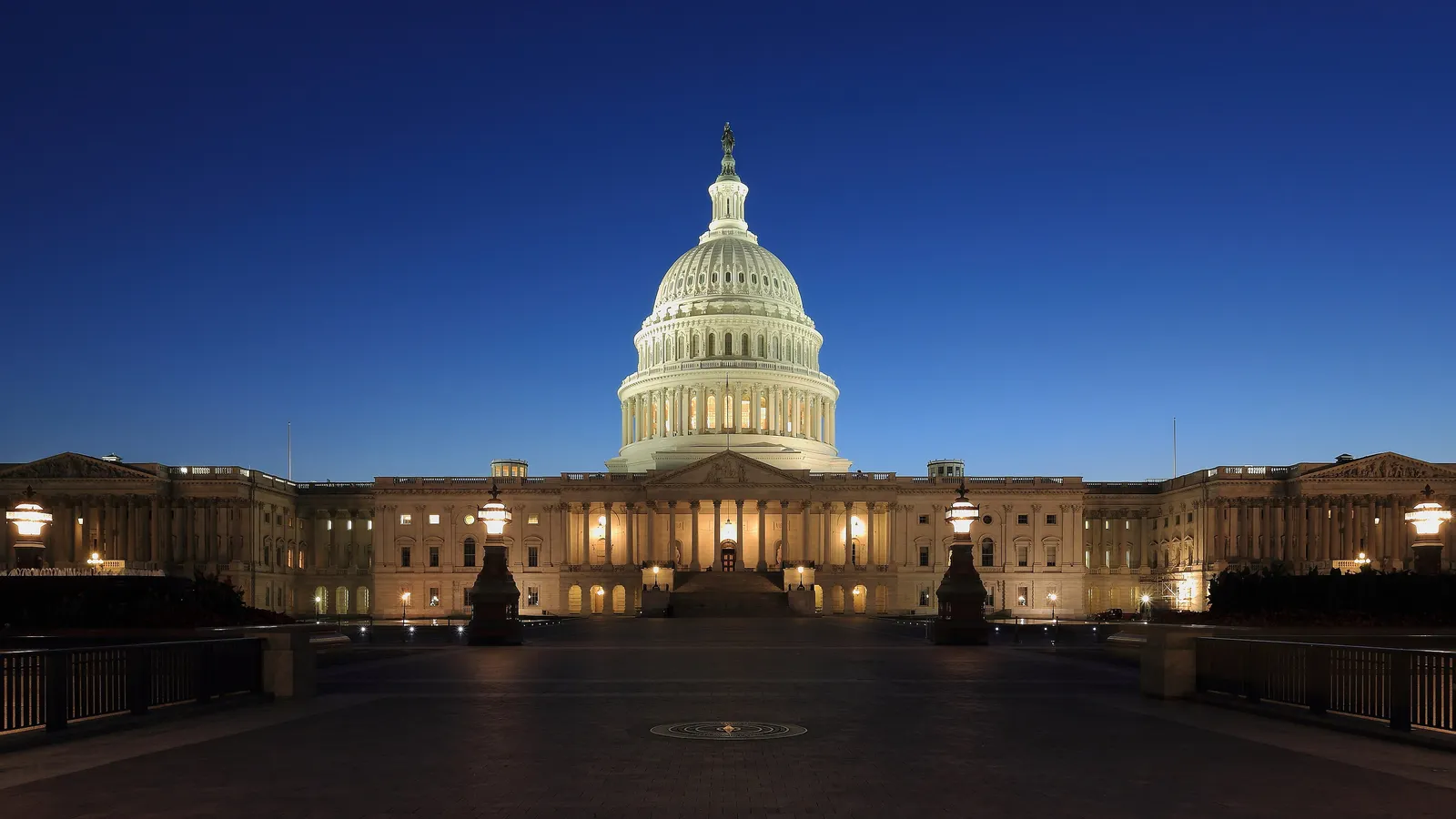
The American voter has spoken, and the message for President Donald Trump is loud and clear. Democrats are projected by major news networks to have taken control of both the House of Representatives and the Senate in the 2026 midterm elections, a result that has put the White House on the backfoot for the remaining two years of the term. The “America First” agenda, which shaped tariffs, foreign aid and alliances since January 2025, will now have to pass through a Congress that does not share its vision. The world is watching closely, because decisions taken in Washington rarely stay inside American borders.
Midterms have always been seen as a referendum on the sitting president and this time was no different. Rising living costs, tariff driven price hikes and frustration over federal job cuts were among the issues that pushed voters away from the Republican camp. Republicans entered election night holding the Senate 53 to 47, yet the tables turned as Democrats flipped seats in states that were considered safe, including Maine where veteran Senator Susan Collins conceded to her Democratic challenger. Trump has praised the Democratic performance but also reminded them that the veto power is still in his hands, which signals that Washington is heading towards gridlock rather than cooperation.
For the United States itself, a divided government means investigations, budget battles and the possibility of government shutdowns. Democrats are expected to use their committee powers to question the administration on tariffs, immigration raids and the long list of executive orders signed in the last two years. Very little legislation might pass and every major policy could end up in a political tug of war. Many analysts believe the next two years will be less about governing and more about positioning for the 2028 presidential race, and that leaves ordinary Americans waiting for relief on prices that may not come anytime soon.
The biggest question for the world is trade. Over the past two years, high tariffs were imposed on allies and rivals alike, from China and India to Canada, Mexico and the European Union, and supply chains were disrupted across continents. The Constitution gives Congress the power over trade, and a Democratic majority may push to limit the emergency powers that allowed the White House to impose tariffs without lawmakers’ approval. Trading partners who were under pressure to sign quick deals may now slow down negotiations, hoping that softer terms are around the corner. However, the President still holds executive tools, and he might double down on tariffs to show that the midterm loss has not weakened his hand.
Europe and Ukraine are expecting a clear shift in tone. A Democratic Congress is more likely to support military and financial aid for Kyiv and to reassure NATO allies who have been nervous about American commitment. Moscow, on the other end, will closely watch whether the White House and Congress can agree on anything at all, as a divided Washington could also mean delayed decisions. In the Middle East, Democrats may raise louder concerns over the humanitarian situation in Gaza, but support for Israel remains bipartisan and a major policy change is not on the cards.
China is one area where both parties are on the same page. Being tough on Beijing has become a rare point of agreement in Washington, therefore export controls on technology and pressure in the Indo-Pacific region are expected to continue. Still, Beijing could see an opening as American leaders get busy fighting each other at home, and it may move faster to build trade ties in Asia, Africa and Latin America where the US has been seen as unpredictable.
For South Asia, the picture is mixed. India would be hoping that Congress puts a check on the steep tariffs that strained its ties with Washington, while Pakistan, which recently welcomed a cut in its tariff rate to 19 percent, would want continuity in the warming relationship it has built with the Trump administration. A Democratic Congress may raise questions on human rights and democratic governance in the region, and Islamabad will have to engage with lawmakers on Capitol Hill as actively as it has engaged with the White House.
Global markets have also taken note. Investors generally prefer a divided government because it limits sudden policy shocks, but the threat of shutdowns and debt ceiling standoffs could unsettle the dollar and add uncertainty for emerging economies already struggling with high import bills. Climate policy is another area to watch, as Democrats may try to bring back incentives for clean energy, though any such bill would face the President’s veto.
Now that the ball is in the President’s court, the coming months will decide whether Washington chooses compromise or confrontation. Trump is not a lame duck yet, and history shows that presidents often turn to foreign policy when their domestic agenda is blocked at home. The midterm results are a reminder that American power is not run by one man alone, and the world expects a more balanced and predictable United States. Whether that expectation is met or turns into two more years of political deadlock, the impact will be felt far beyond American shores, from the factories of Asia to the frontlines of Eastern Europe.
Opinion: the views expressed are the author’s own. For our news reporting, see how the Democrats won Congress and what happens next and why the polls were not the whole story.


Comments
Comments are reviewed by our editors before they appear. Please keep them civil and on topic. See our terms.
No comments yet. Be the first to share your view.