

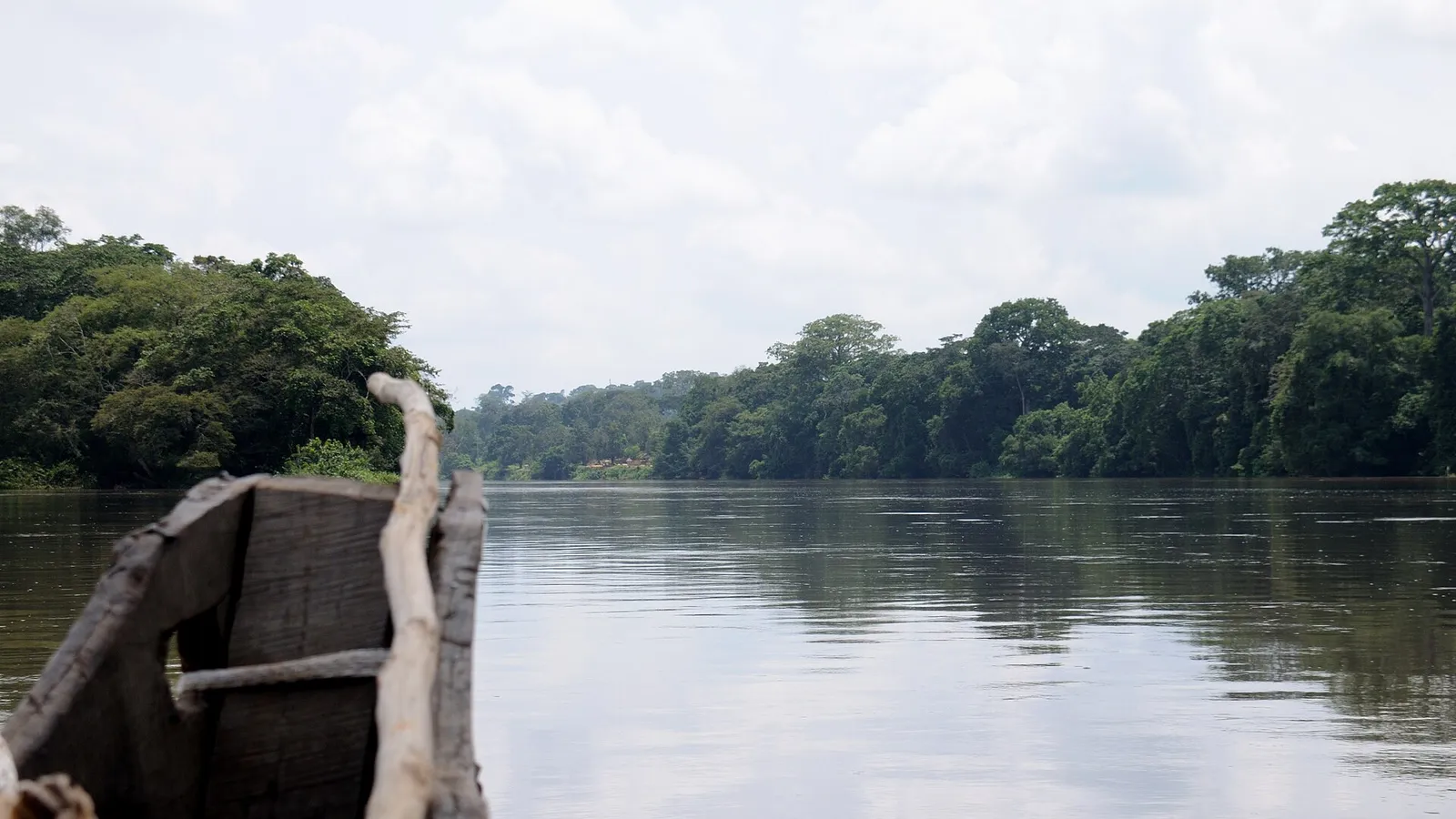
Deforestation slowed worldwide last year, but the improvement is unlikely to last as forest loss in Central Africa soars and an exceptionally strong El Nino builds, a new study has found, as the UN chief warned that the world’s “war on nature has not yet ended”.
Seven million hectares of forest, roughly the size of Ireland, were permanently destroyed in 2025, a 15 percent drop from the previous year, according to the annual Forest Declaration Assessment, Dawn reported, citing AFP.
Not enough to meet the 2030 goal
The slowdown is not enough to meet a pledge, agreed at the COP26 climate talks in 2021, to end deforestation by 2030. To get there, forest loss would have to fall by about one million hectares a year.
The 2025 figure is “encouraging but so far it’s the exception, not a new trajectory”, said the study’s co-author Erin Matson of Climate Focus.
Where forests are falling
- Latin America: loss fell 33 percent in the world’s historic deforestation hotspot, helped by Brazil’s action plan and stronger enforcement in the Amazon, but progress is “highly vulnerable” to elections. Brazil’s President Luiz Inacio Lula da Silva, who has vowed to end illegal deforestation by 2030, faces Senator Flavio Bolsonaro in a runoff on October 25, and hard-right presidents were recently elected in Colombia and Peru
- Congo Basin: loss reached 2.4 million hectares, close to the Amazon’s level for the first time
- Main drivers: clearing land for agriculture and mining
“Losing such a size of forest every year is a disaster,” said Sam Nguiffo, founder of the Centre for Environment and Development in Cameroon. “As humanity, we clearly cannot afford that because it will be totally irreversible.” He said deforestation erodes the space available to local and indigenous communities and fuels conflict.
The El Nino threat
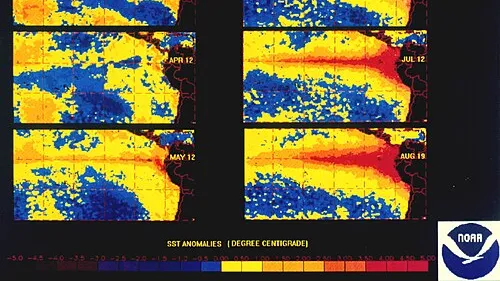
El Nino threatens progress because it brings droughts that create conditions for wildfires. The current event, which emerged in June, is shaping up to be the strongest ever observed. Matson noted a “huge spike” in tree cover loss during the last “super” El Nino in 2015-16. In Indonesia, the drought linked to El Nino has seen forests and plantations burning for months in Borneo and South Sumatra.
“There is progress, but not enough”
Launching a separate UN report on Thursday, Secretary-General Antonio Guterres said the world was falling short of its biodiversity commitments. “It’s not all bad news… There is progress, but not enough. We are far from what is necessary,” he told reporters in Yerevan, Armenia, where the COP17 biodiversity talks begin on Monday.
Nearly 200 countries signed the “Paris Agreement for Nature” four years ago, with 23 targets to halt and reverse nature loss by 2030, including cutting pollution, protecting threatened species and conserving 30 percent of the world’s land and oceans. Many of those targets are off track, Guterres said.
Why it matters
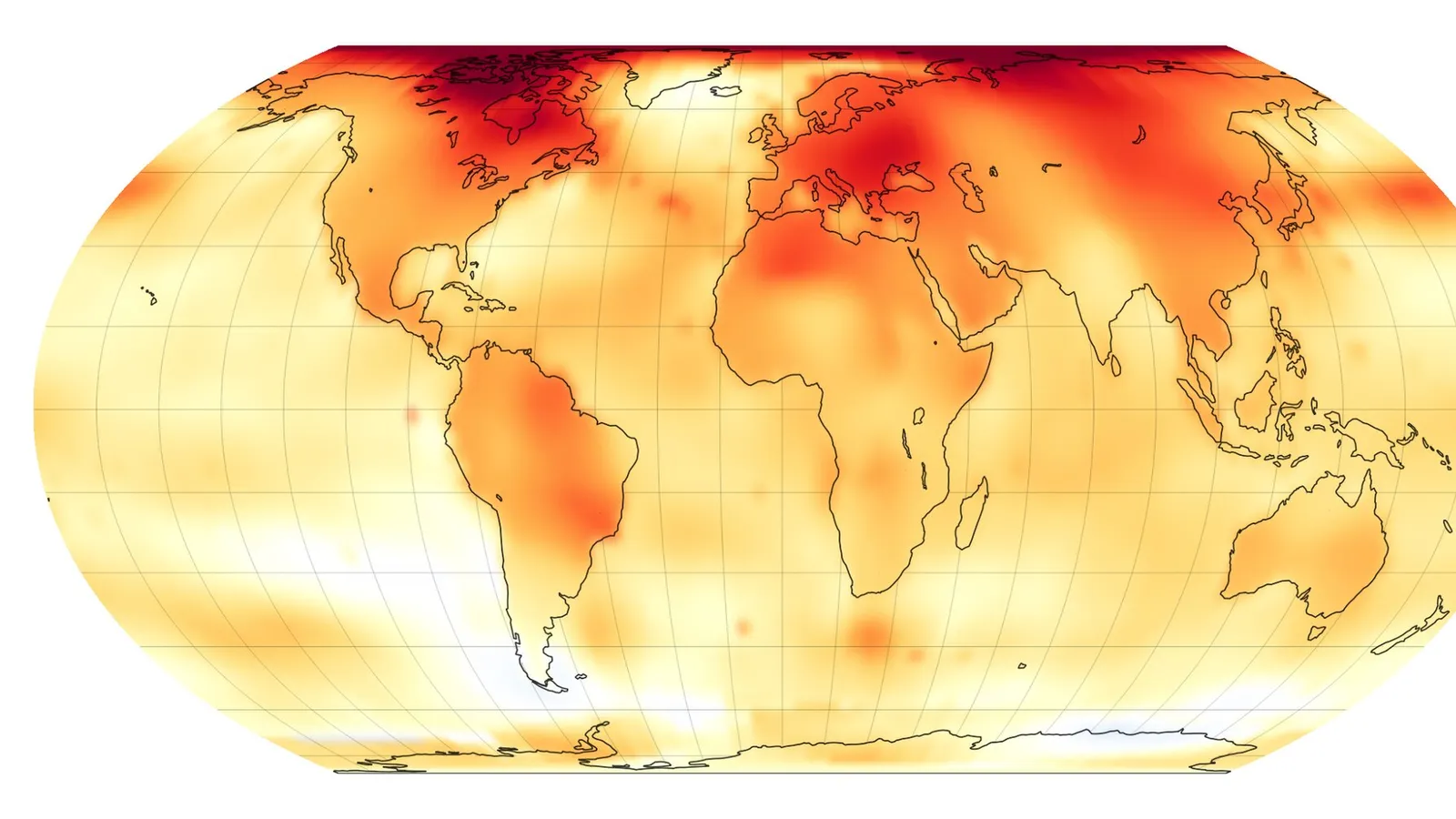
Forests store carbon and regulate rainfall, and their loss feeds the extreme heat and drought already hitting countries like Pakistan. With El Nino building, the next year will test whether 2025’s improvement was real progress or a pause. Read our reports on the record El Nino and on Pakistan’s hottest monsoon in 66 years.
This article draws on reporting by Dawn and AFP.
Comments
Comments are reviewed by our editors before they appear. Please keep them civil and on topic. See our terms.
No comments yet. Be the first to share your view.