

A Kenyan court is set to give its judgement in the mass murder case against doomsday preacher Paul Mackenzie, who is accused with 29 of his followers of killing 191 children, the BBC reported. It is the first time he will face a verdict on the most serious charges against him.
Prosecutors allege that Mackenzie’s cult forced children to starve to death so that they could “meet Jesus”. His doctrine, the BBC reported, held that education was forbidden and that modern medicine was “evil”. Mackenzie and the other 29 have all pleaded not guilty to murder and have repeatedly insisted that nobody was forced to die.
The case
Mackenzie’s former head of security, Enos Amanya Ngala, was initially accused but entered a plea deal and became a witness for the prosecution. Mackenzie and other cult leaders also face other cases, including for terrorism, radicalisation and denying children education.
In the 298 pages setting out the charges in the current case, all of the 191 victims that Mackenzie and his followers are accused of murdering are children. Many of the bodies are still unidentified because of their advanced state of decomposition. In court documents, several are described as “unknown male child” and identified by the location of their grave and the date they were found. Victims died of starvation, strangulation and, in some cases, being bludgeoned to death, according to the BBC.
Shakahola forest
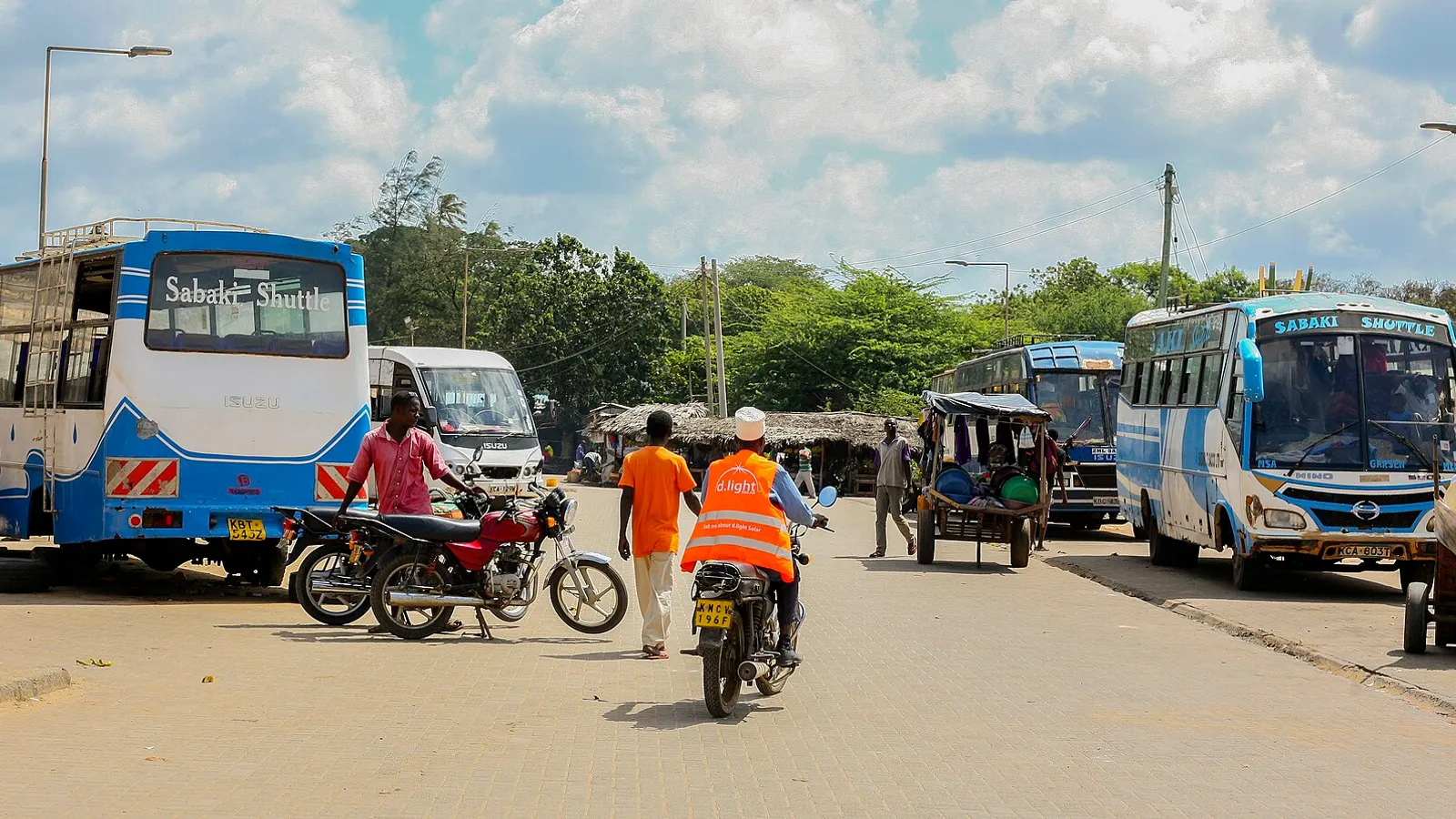
Authorities said more than 400 bodies were found in shallow graves in Shakahola forest near Kenya’s coast, where Mackenzie had led followers from across the country. Local herders found the first remains in March 2023, by which time hundreds of people had died.
Seventeen men were hired from a nearby town to dig up the graves, some for just $8 a day. “Every grave we found had at least three bodies,” gravedigger James told the BBC. “Some of the remains were of children as young as a few weeks old.” Salim Karisa, another gravedigger, said they once found 12 children’s bodies in a line inside a grave. Some had their hands and legs tied and were wrapped in bedsheets. “We would carry someone out of the forest but they were so frail that they would die in our arms,” Karisa said.
A family’s loss
Stephen Mwiti, 48, lost all six of his children to the cult and said he found and buried the remains of only one, his son Samuel. His former wife is among those accused with Mackenzie. He told the BBC he blamed a television set in his home in Malindi, where he first watched Mackenzie’s sermons. “If I met Pastor Mackenzie today, one of us will have to die,” he said.
How the church grew
Mackenzie founded Good News International Ministries in 2003. Over 16 years it drew thousands of followers to branches across Kenya, and its Times TV station broadcast his sermons from Malindi. His End Days sermons included conspiracy theories describing education as “evil”, healthcare as “against the doctrine” and digital identity cards as “the mark of the devil”. The main church shut in 2019 and Mackenzie moved to Shakahola, urging his followers to join him in the forest.
His son, Dan Paul Mackenzie, who worked as a camera operator in the church, believes his father should be found guilty of murder. Another witness, Peter Shukrani, 23, was rescued from the forest in March 2023 after falling ill when his mother threw away his medicine. He told the BBC he would have died had he stayed, yet still said Mackenzie was “a good person who cares for me” and that nobody was forced to fast.
Why it matters
The verdict will be the first judgement on the murder charges in the Shakahola case. For families such as Mwiti’s, who lost children, it is a test of whether the justice system can establish who was responsible for the deaths in the forest.
This article draws on reporting by the BBC.
Comments
Comments are reviewed by our editors before they appear. Please keep them civil and on topic. See our terms.
No comments yet. Be the first to share your view.