


Israel has revoked the accreditation of Dutch diplomats based in Ramallah in the occupied West Bank, in retaliation for a Dutch ban on importing goods from Israeli settlements, AFP reported.
The Netherlands said it was still assessing how many of its diplomats were affected by the decision.
‘Will lose its influence’
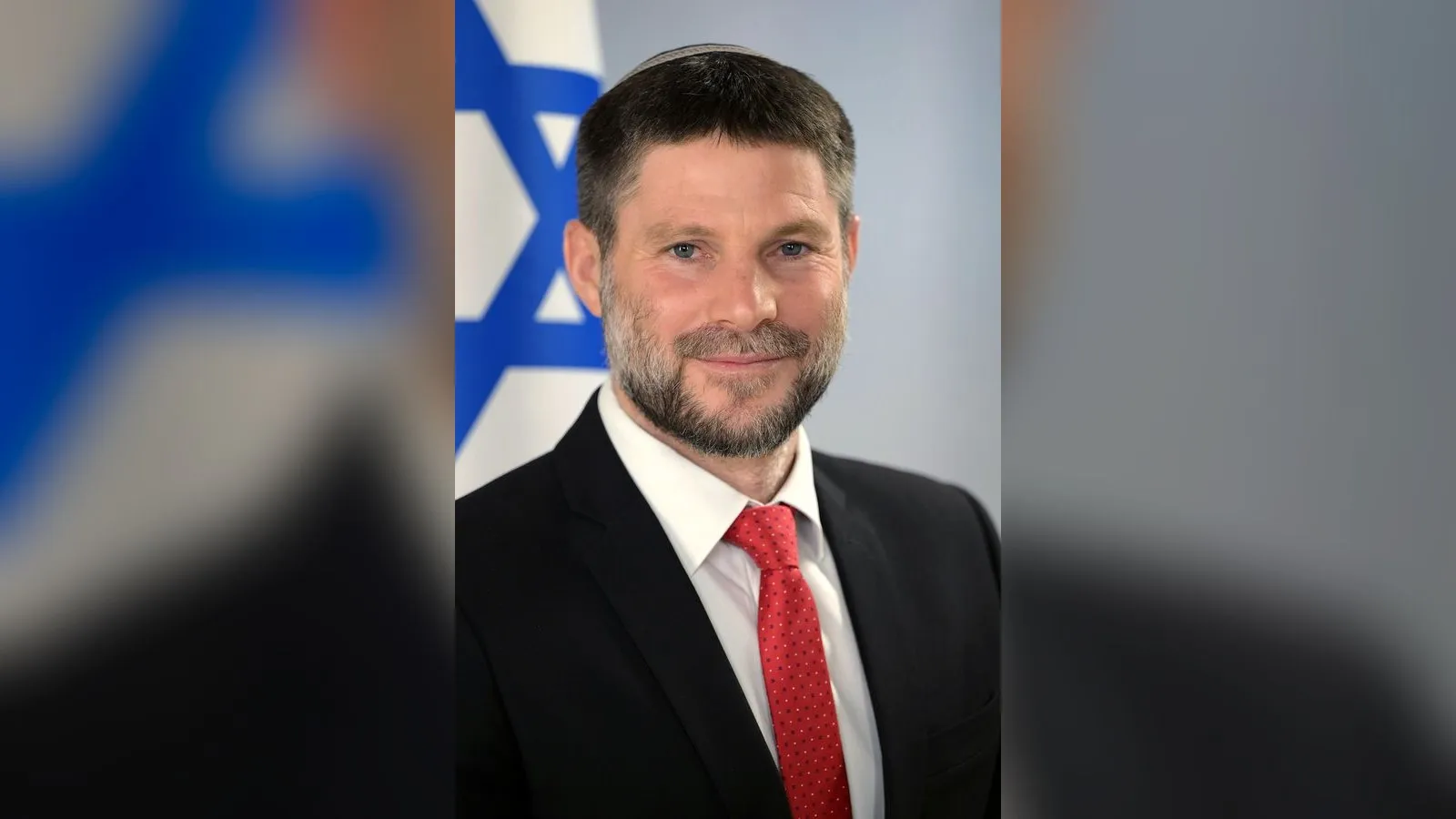
Israeli Foreign Minister Gideon Saar said the move was a response to what he called hostile action by the Netherlands.
“Any country that acts in a hostile and one-sided manner against Israel will lose its influence,” Saar said. He directed that Dutch representation to the Palestinians should take place “from Palestinian Authority territory, not Israeli territory.”
Dutch response
Dutch Foreign Minister Tom Berendsen said he “deeply” regretted what he called an “unnecessary decision”.
He defended the import ban, saying it reflected “the obligation, under international law, not to contribute to an unlawful situation”, a reference to the settlements that most of the international community considers illegal under international law.
What triggered the dispute
The row began when the Netherlands banned imports of products made in Israeli settlements in the occupied West Bank. The Dutch move followed similar steps by other Western countries:
| Country | Action |
|---|---|
| Netherlands | Ban on imports from Israeli settlements |
| Britain, France and Canada | Settlement trade sanctions announced in early September |
Israel has already hit back at others. It previously closed the British consulate in Jerusalem in response to Britain’s measures.
Violence against Palestinians
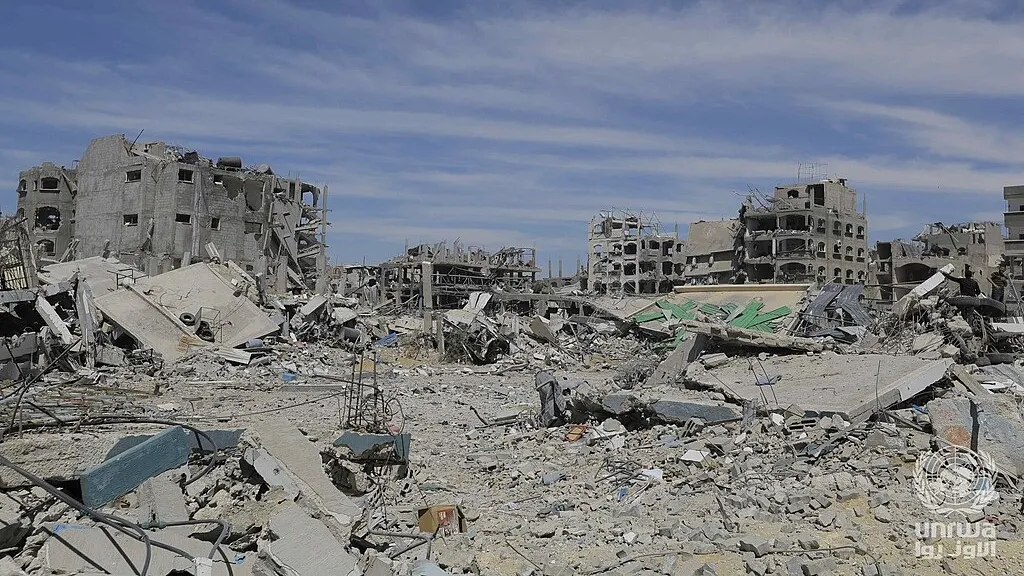
The dispute comes as violence in the West Bank continues. The United Nations has documented an average of six attacks a day by settlers on Palestinians in 2026, according to AFP.
A growing diplomatic divide
The decision adds to a widening gap between Israel and several of its traditional Western partners over the settlements. With Britain, France, Canada and now the Netherlands taking trade measures, Israel has responded by limiting the diplomatic presence of the countries involved, first with the British consulate in Jerusalem and now with the Dutch diplomats in Ramallah.
Pakistan’s position
Pakistan does not recognise Israel and has consistently supported the Palestinian cause, calling for an independent Palestinian state with Jerusalem as its capital. At the UN General Assembly last week, the war in Gaza and the Middle East were among the main issues, and Netanyahu’s speech prompted a walkout by delegates.
Wider Middle East tensions
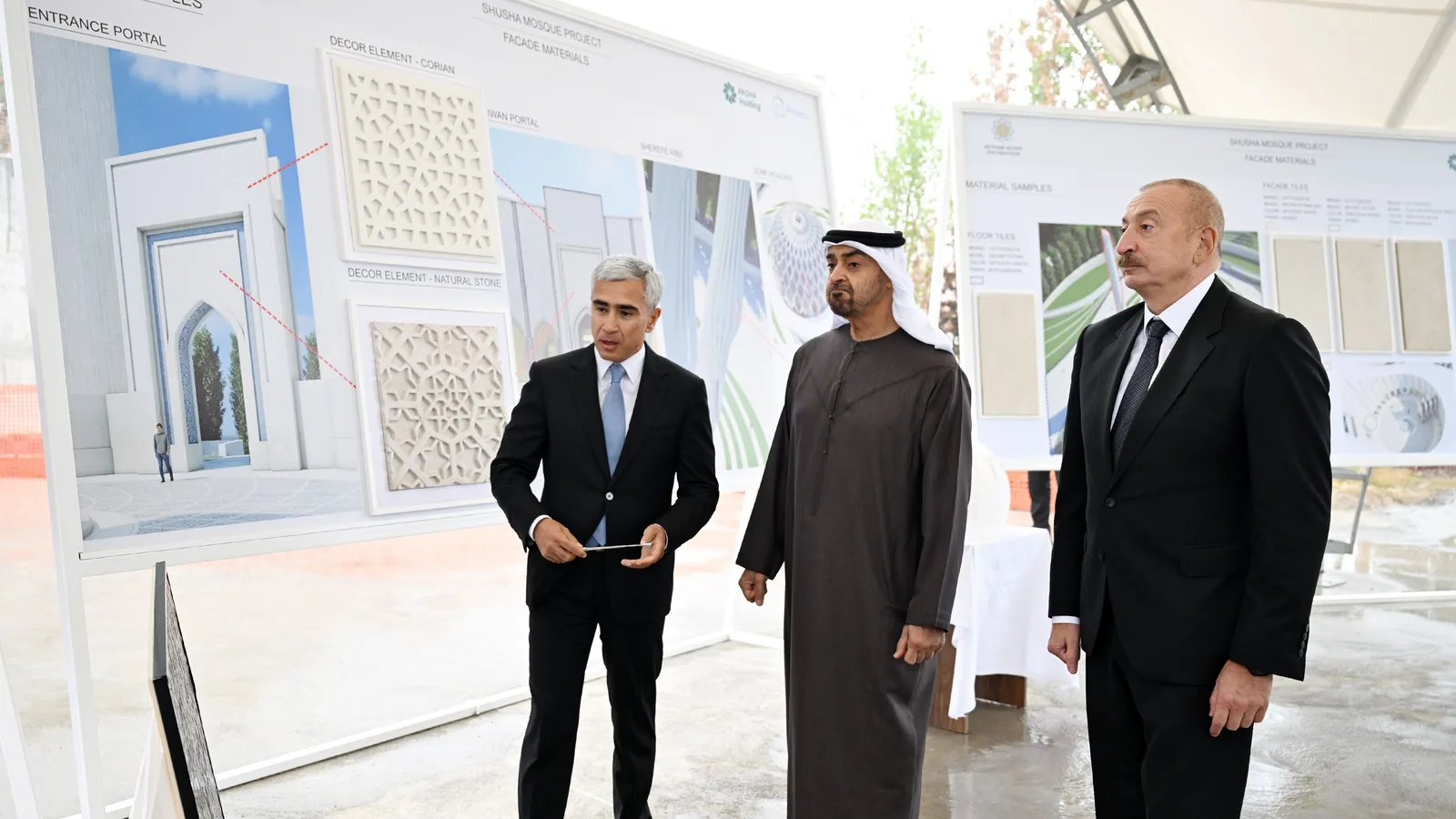
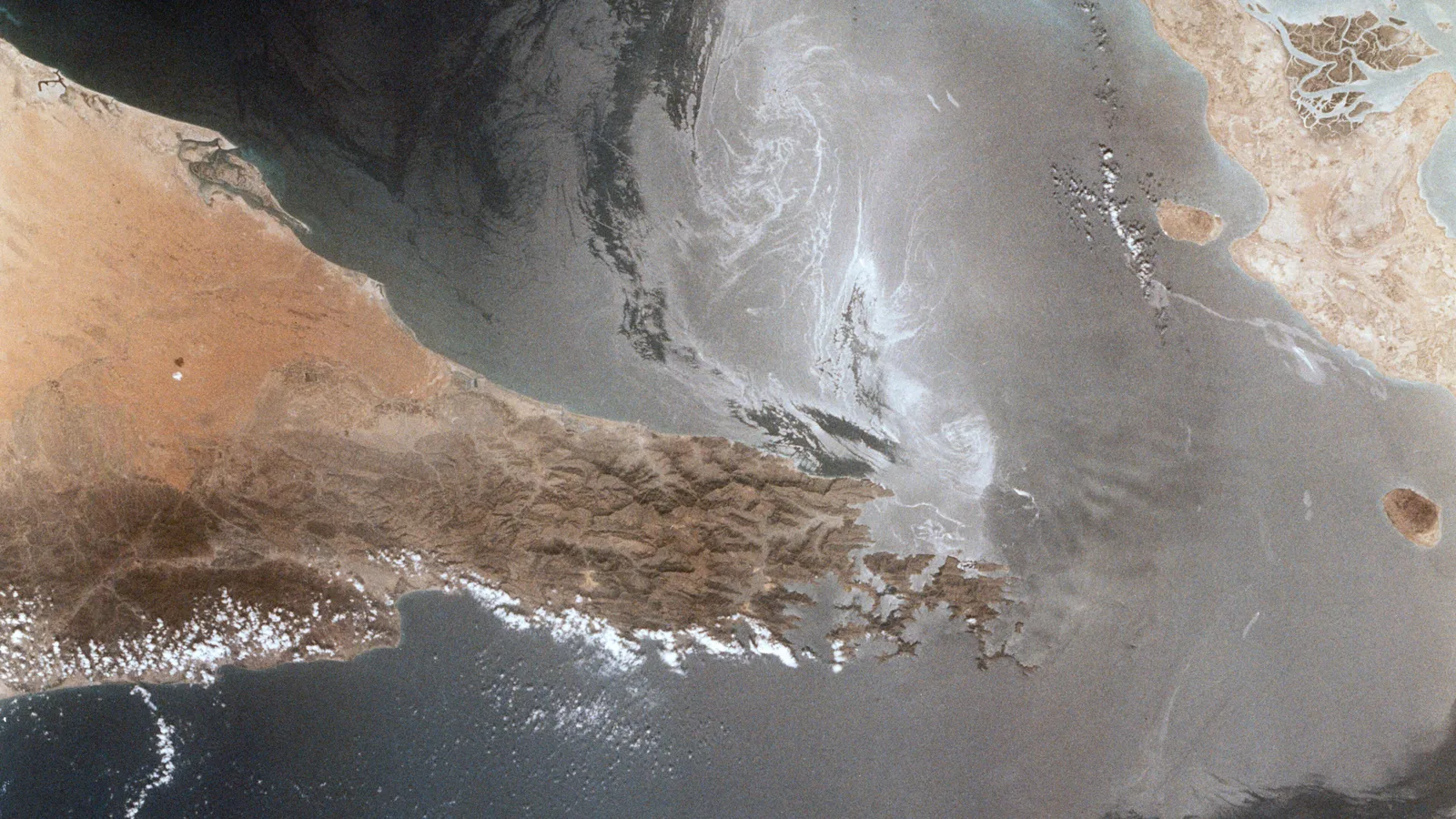
The row comes as the region remains on edge over the war involving Iran. On Tuesday, US President Donald Trump denied offering Iran sanctions relief as Tehran sent its conditions for reopening the Strait of Hormuz, while the UAE confirmed that its president had hosted Netanyahu for talks.
Why it matters
The dispute shows how European countries are increasingly willing to take practical steps against Israeli settlements, and how Israel is prepared to respond by restricting diplomats. For Palestinians, it could mean less international presence on the ground in the West Bank at a time when settler attacks are running at an average of six a day.
This article draws on reporting by AFP and Dawn.
Comments
Comments are reviewed by our editors before they appear. Please keep them civil and on topic. See our terms.
No comments yet. Be the first to share your view.