

The United States has announced visa restrictions on foreign officials who obstruct the return of children taken across international borders, in a move that applies to treaty partners including Pakistan.
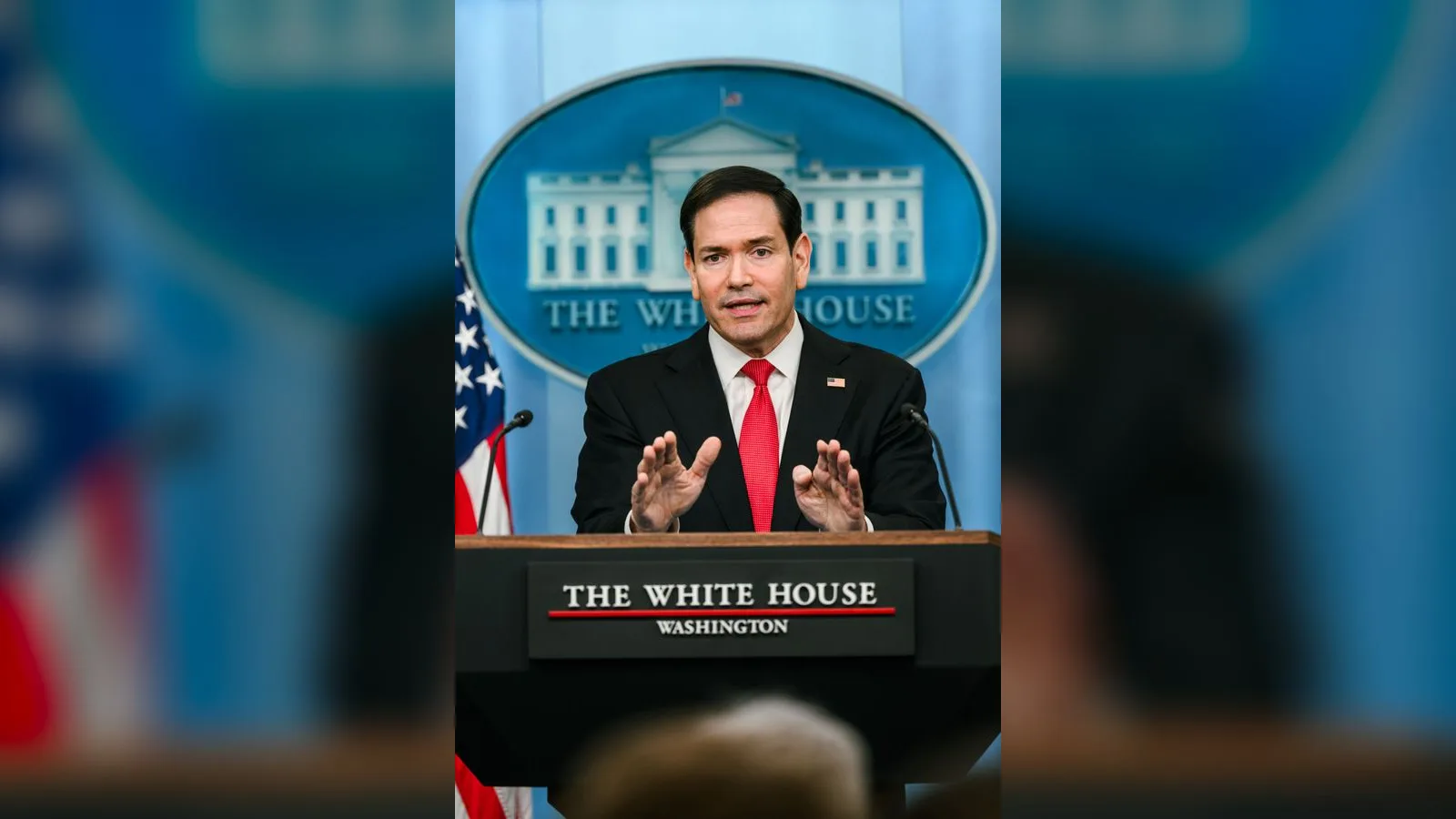
US Secretary of State Marco Rubio announced the policy on Monday. It targets foreign officials and others who are “responsible for, or complicit in” obstructing the resolution of international child abduction cases, along with members of their immediate families, Dawn reported.
“Protecting American children abducted across international borders and reuniting them with their parents is a top priority,” Rubio said.
Who could be affected
The policy is aimed at people in positions to delay or block the return of children, including:
- Judges who fail to apply the relevant laws
- Law-enforcement officials who do not carry out court orders
- Other officials who intentionally fail to implement applicable laws or court orders
- Immediate family members of those covered
The Hague Convention
The policy is linked to the 1980 Hague Convention on the Civil Aspects of International Child Abduction, an international treaty under which member countries agree to return children who have been wrongfully taken or kept abroad, usually by one parent, to their country of habitual residence so that custody can be decided there.
Pakistan was specifically noted as a party to the Hague Convention and a US treaty partner. India was mentioned as a country that has not signed the convention, and countries in the Middle East were referred to more generally.
Why Pakistan is in the picture
Pakistan has a large diaspora in the United States, and cases in which one parent takes a child from the US to Pakistan, or keeps a child in Pakistan after a visit, can end up before courts in both countries. Because Pakistan is a party to the Hague Convention, such cases between the two countries fall under the treaty.
Under the new policy, officials in any treaty partner country who are seen to obstruct the process could lose the ability to travel to the United States.
What the policy does not say
The announcement did not give figures on the number of abduction cases involving each country, and it did not name any individual officials who would be affected. It also did not set out how the State Department will decide whether an official has intentionally obstructed a case.
Advice for families
Parents in Pakistan or the United States who are involved in cross-border custody disputes should seek legal advice in both countries. Pakistan’s central authority under the Hague Convention and the US State Department’s Office of Children’s Issues deal with such cases between the two countries.
A tougher US approach
The announcement comes at a time of close scrutiny of US policy towards migrants and foreigners. UN human rights experts warned on Monday that US deportations to third countries were triggering a “cascade” of rights abuses.
Why it matters
For families torn apart by cross-border disputes, the Hague Convention is supposed to provide a clear route to a child’s return. By threatening the visas of officials who stand in the way, Washington is signalling that it expects treaty partners, including Pakistan, to make the system work. For the Pakistani diaspora in the US, the policy is a reminder of how custody disputes can quickly become international legal battles.
This article draws on reporting by Dawn.


Comments
Comments are reviewed by our editors before they appear. Please keep them civil and on topic. See our terms.
No comments yet. Be the first to share your view.