

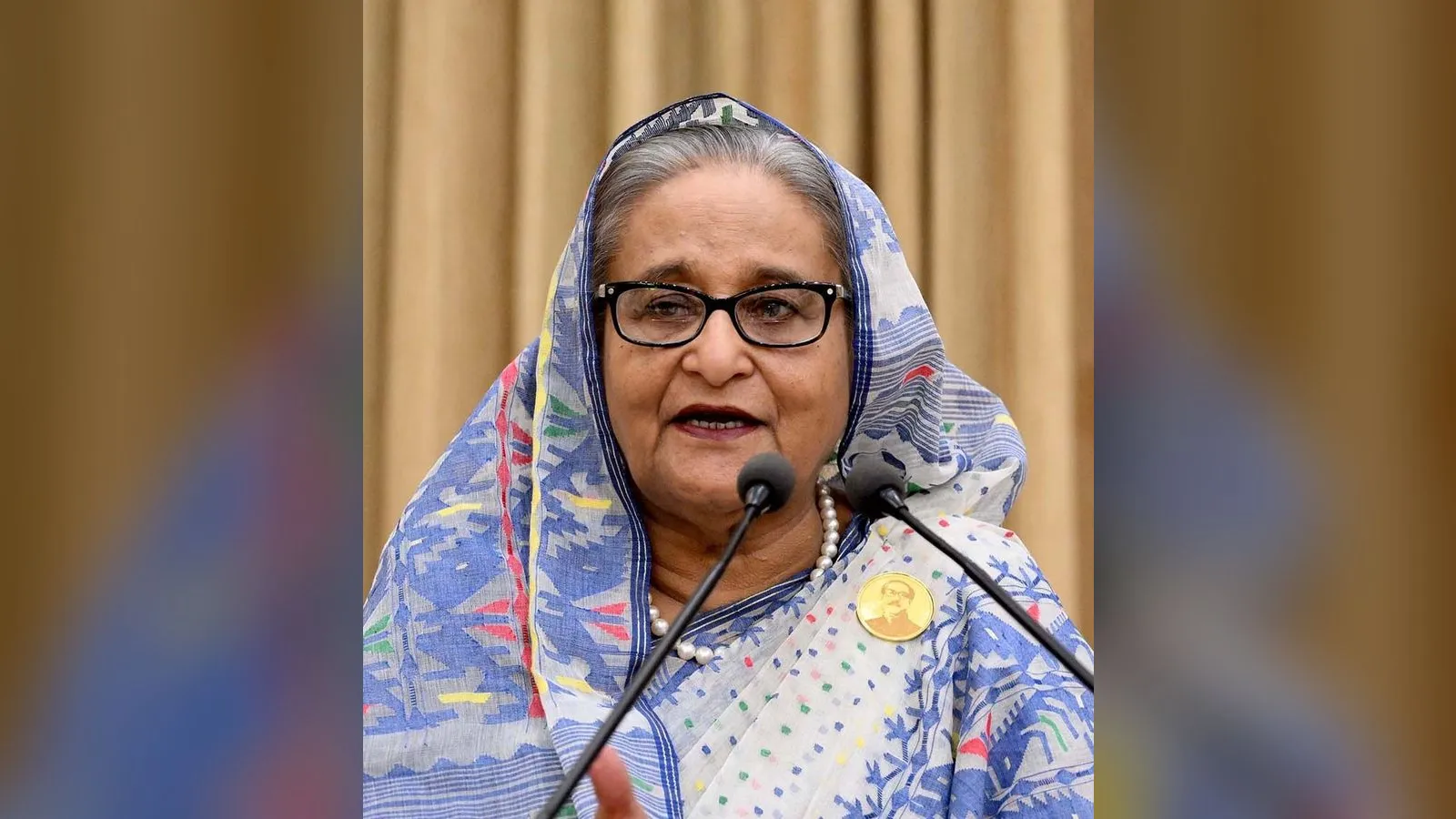
Bangladesh’s ousted prime minister, Sheikh Hasina, has taken her first formal step towards going home. Her lawyers have written to Bangladesh’s mission in Delhi asking for a new passport and national identity card, so that she can leave the exile in India she has lived in since 2024, according to a letter seen by Reuters on Monday.
What the letter asks
The letter was sent by Hasina’s lawyers at Matrix Chambers in London to Preeti Rahman, the acting high commissioner at Bangladesh’s embassy in Delhi. It says that her existing passport and national identity card have reportedly been revoked by the interim government and other authorities, and asks the embassy to issue new ones “expeditiously”. It bases the request on her Bangladeshi nationality and on obligations under international human rights instruments.
Neither the acting high commissioner nor spokespeople for Bangladesh’s Prime Minister, Tarique Rahman, responded to requests for comment when Reuters asked.
A return with a date still to come
Hasina has told Reuters that she plans to return in December and surrender to a court. Her aides said on Monday that the date will be announced once various formalities are complete. That makes the passport request the most concrete sign so far that she intends to carry out the plan.
The legal position is stark. In November last year, Bangladesh’s war-crimes tribunal sentenced her to death in her absence for ordering a deadly crackdown on the student-led uprising that ended her rule. She denies the charges. Her party, the Awami League, was the country’s biggest before it was banned after her fall, and many of its leaders have been jailed or have left the country, some for India.
| Question | Where it stands |
|---|---|
| Passport and ID | Requested on Monday; no response from Dhaka or its Delhi embassy yet |
| Court case | Death sentence in absentia, which she denies |
| Return date | Not announced; her aides say after formalities |
| Party | Awami League banned |
What a return could mean
Hasina ruled for 20 years across several terms and still has support among some Bangladeshis. A return could sharpen political divisions at a time when the government in Dhaka is trying to restore stability after more than two years of upheaval. It could also change ties with India, which turned sharply cold after New Delhi gave her refuge. Moving her out of India would remove one of the main irritants in that relationship, although it would also put her into the hands of Bangladeshi courts.
Questions that remain
- Will Dhaka issue the documents? The government has not said. Issuing a passport to a person under a death sentence would be a political as well as an administrative decision.
- What happens at the airport? Hasina says she will surrender, but there is no public detail on how the handover would be arranged or whether the death sentence would stand.
- How will India respond? Her stay there has been a source of tension. The reports did not carry any Indian comment on the request.
- What of the Awami League? The ban remains, and it is unclear whether her return would be a boost or a risk for the party’s remaining members.
Why it matters for the region
Bangladesh has stayed in South Asia’s headlines since the uprising, from clashes over garment workers’ wages to its tense ties with India. Its relations with India, Pakistan and others have been shifting since the uprising. For Bangladeshis, the more urgent question is whether a return would calm politics through a lawful trial or add a fresh crisis at a delicate time.
What to watch is whether the embassy replies, whether her aides name a date, and whether the interim authorities and Prime Minister Tarique Rahman’s government say publicly how they would treat her on arrival.


Comments
Comments are reviewed by our editors before they appear. Please keep them civil and on topic. See our terms.
No comments yet. Be the first to share your view.