

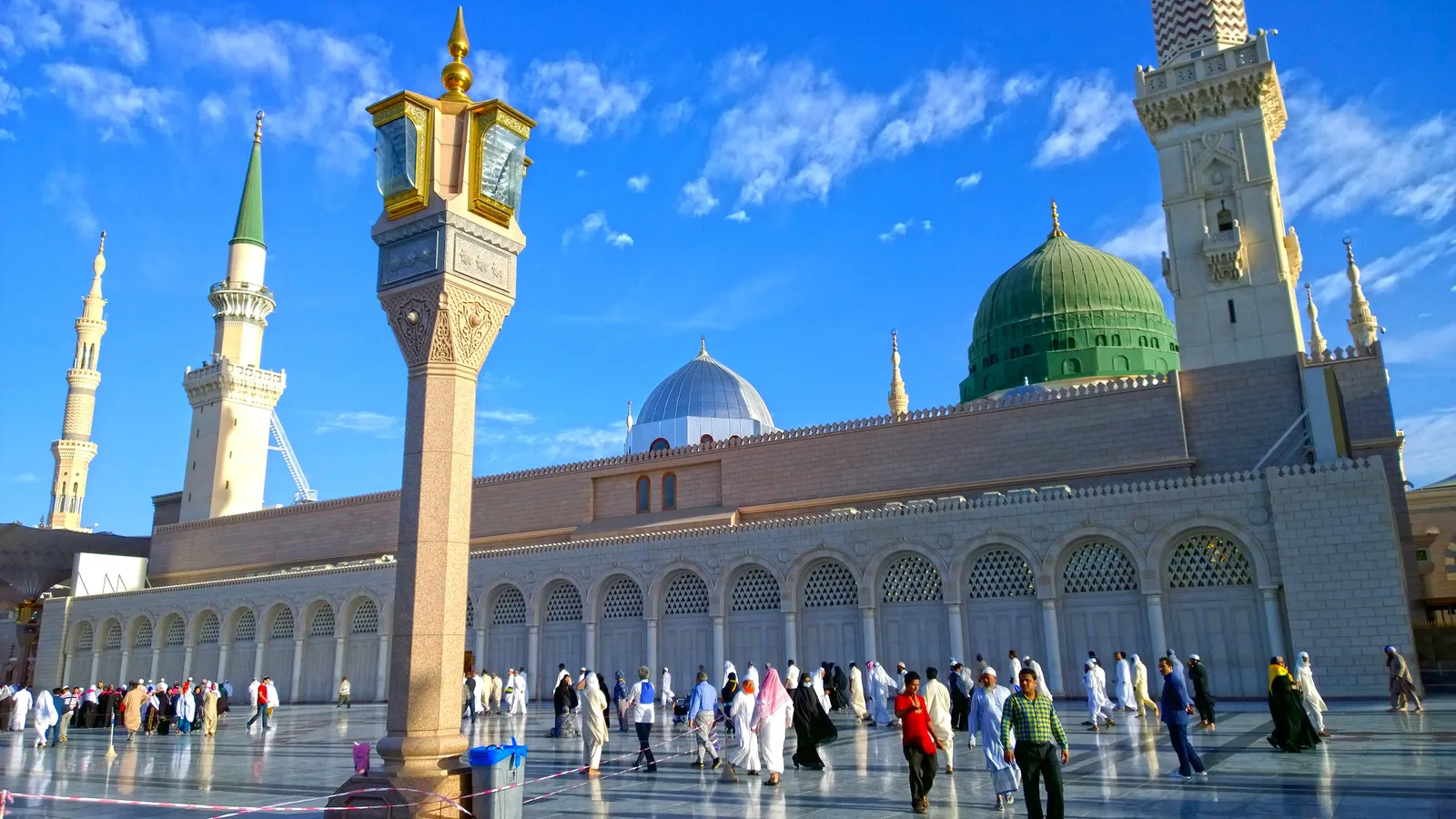
Yemen’s Houthis said they struck an oil facility near the Saudi capital Riyadh with ballistic missiles and drones on Saturday, the latest escalation in a war that has already seen an attack on a power station serving the Prophet’s Mosque in Madina.
Flames and smoke were seen rising from Aramco’s Riyadh refinery south of the capital, with firefighters, ambulances and police at the site, The Express Tribune reported, citing AFP. Houthi military spokesman Yahya Saree said the attack sparked fires at the targeted sites. Saudi authorities had not commented.
Strikes on Sanaa
The Houthis accused Saudi Arabia of hitting Sanaa with 26 air strikes on Saturday. They said Saudi Arabia had bombed the Yemeni capital on Thursday night for the first time since renewed fighting broke out in July, and that it had carried out 94 strikes in a single 24-hour period. Saudi authorities said a Houthi projectile damaged a school in Najran, near the border.
Riyadh has reportedly asked the United States for help, a request so far rebuffed by President Donald Trump.
The attack on Madina
On September 29, a drone struck the Taibah power distribution station in Madina, which supplies electricity to the Prophet’s Mosque, the Saudi-led coalition said. One transformer was knocked out of service, without affecting the wider network. The coalition said evidence, including the drone wreckage, confirmed the Houthis were behind it. The Houthis denied the accusation.
Pakistan: a “grave provocation”
Pakistan strongly condemned the attack as a “grave provocation” and a threat to regional peace. “The sanctity of the Two Holy Mosques and the safety of worshippers and pilgrims must be respected under all circumstances,” the Foreign Office said.
It reaffirmed Pakistan’s “unwavering solidarity” with Saudi Arabia. “Pakistan stands firmly with Saudi Arabia in its efforts to safeguard the Two Holy Mosques, protect its people and ensure the safety of pilgrims,” the statement said.
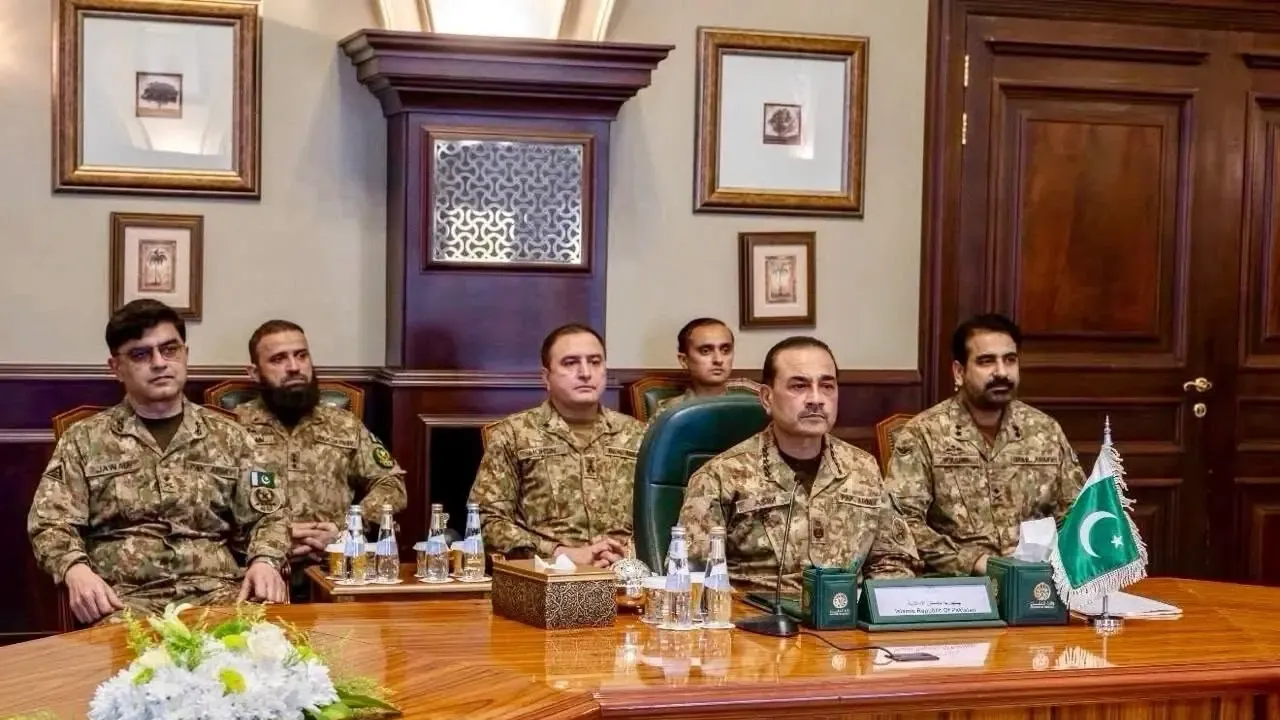
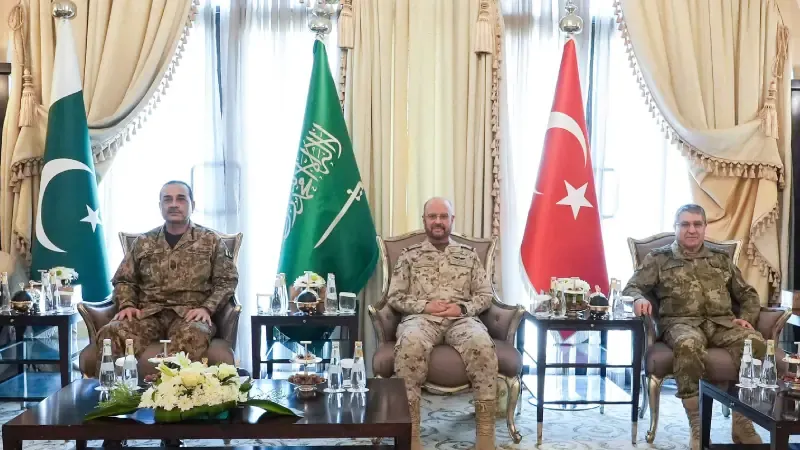
Pakistan is bound to Saudi Arabia by two defence pacts: the Strategic Mutual Defence Agreement of September 2025, and the Makkah Defence Alliance with Turkiye, signed on August 7. Defence Minister Khawaja Asif said last week that Pakistan would defend the kingdom in any conflict.
The Muslim world responds
- Turkiye: “These provocative attacks… target the sacred values of the Islamic world, must cease immediately and unconditionally”
- Qatar: “a grave assault on the sanctity of Islamic holy sites”
- Arab League: “an unacceptable transgression”
- Al-Azhar: “Targeting Madina provokes the sentiments of Muslims worldwide”
Rumours in Makkah denied
Saudi authorities denied social media claims of a suicide bomber at the Grand Mosque in Makkah. A man was arrested for harassing passers-by and causing panic, they said, adding there was “no truth” to the claims. Earlier in September, Saudi Arabia said it shot down a Houthi drone south of Makkah.
Why it matters
This is the worst fighting between Saudi Arabia and the Houthis since a UN-brokered truce in 2022. With attacks reaching the holiest cities in Islam and the heart of Saudi oil production, the war threatens both Muslim sentiment and world energy supplies. Read our report on Khawaja Asif’s pledge to defend Saudi Arabia.
This article draws on reporting by Dawn, The Express Tribune and AFP.
Comments
Comments are reviewed by our editors before they appear. Please keep them civil and on topic. See our terms.
No comments yet. Be the first to share your view.