

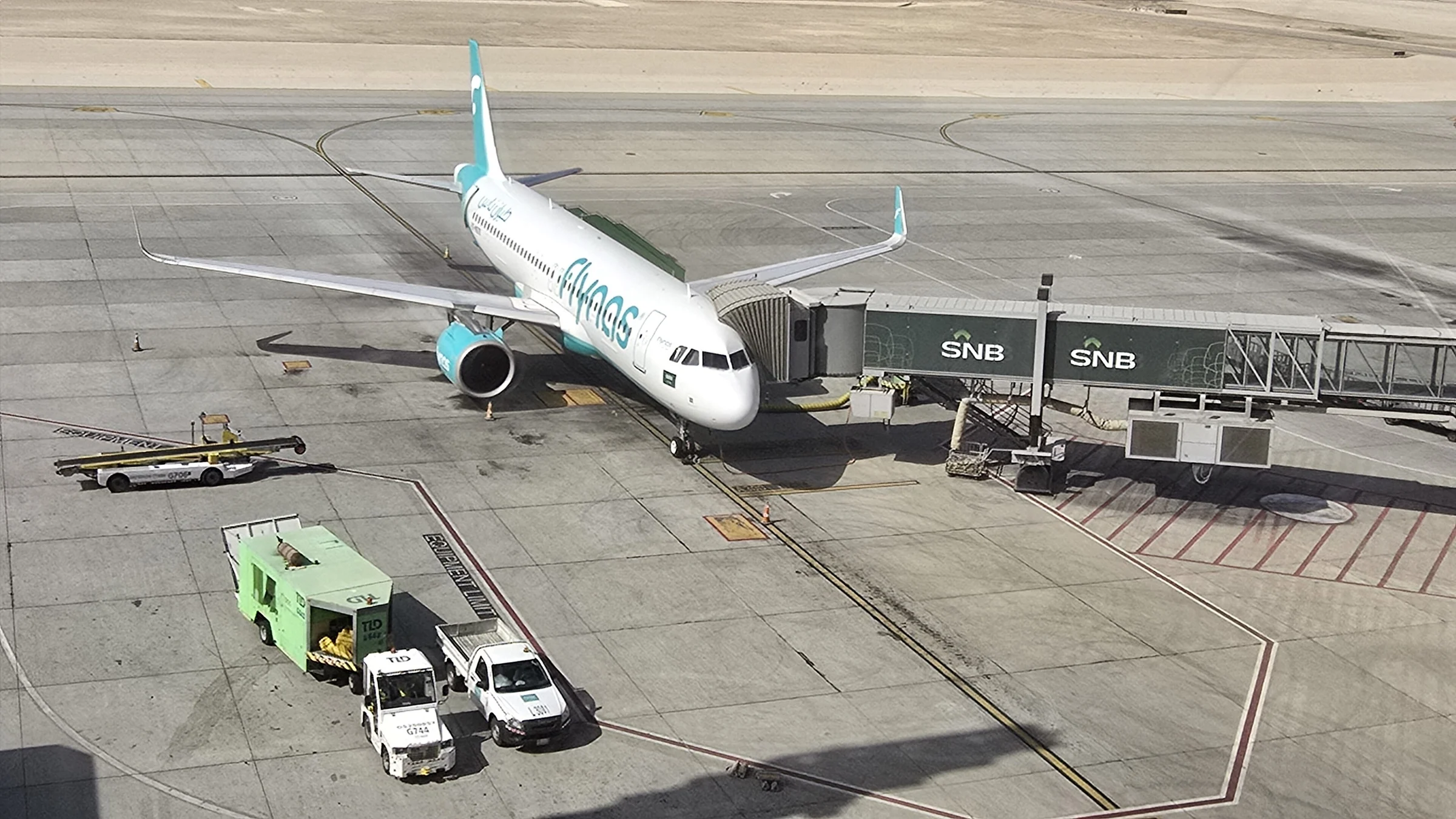
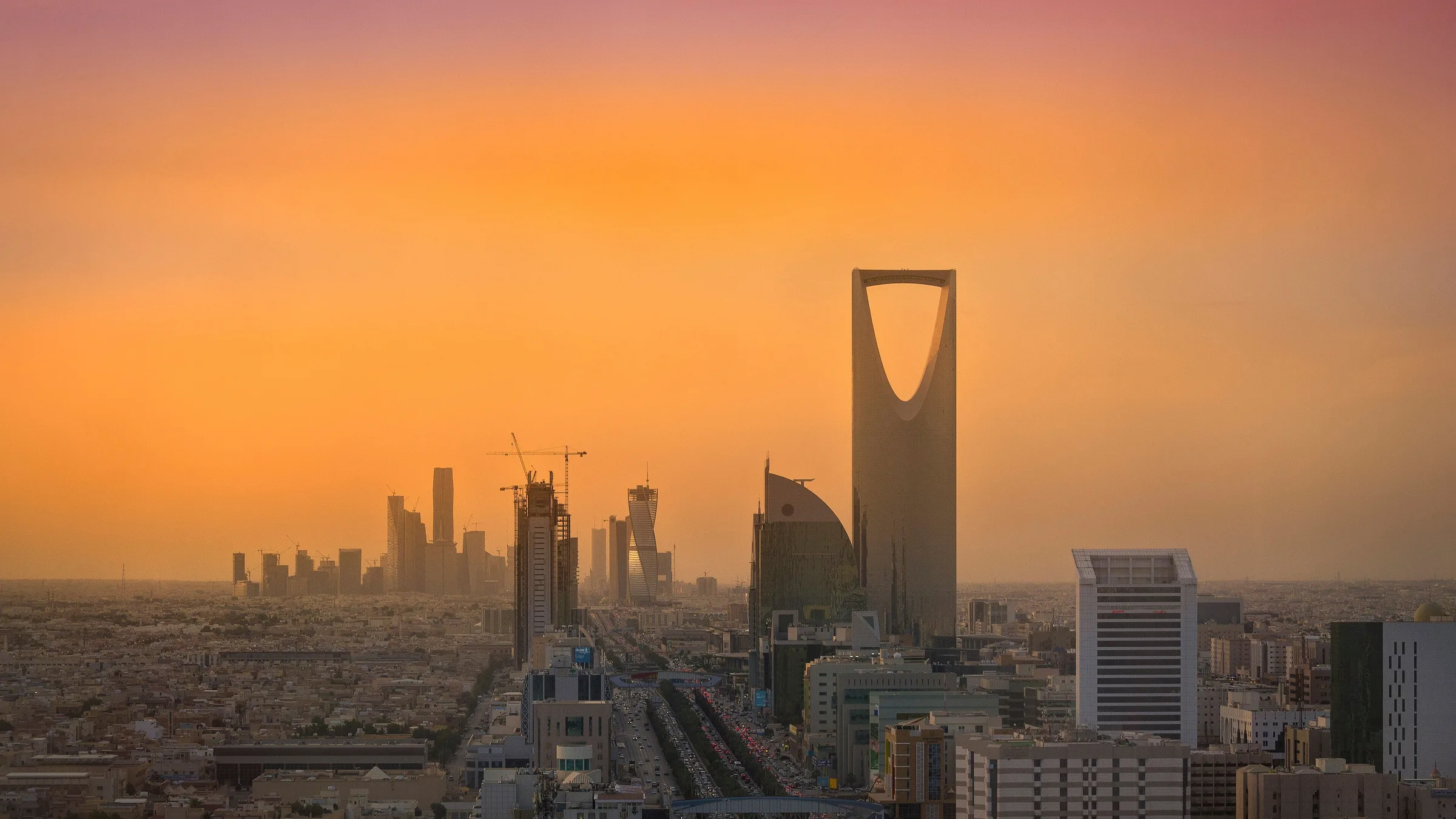
Yemen’s Houthis said on Thursday they had attacked Saudi Arabia’s defence ministry in Riyadh, Aramco facilities in Yanbu and King Fahd International Airport in Dammam, as Aramco told staff to leave its headquarters and Iran threatened to widen any new war across the Gulf, Dawn and The Express Tribune reported.
The strike on the Dammam airport on Wednesday evening killed a Saudi citizen and an Indian national and wounded eight others, according to Saudi Arabia’s General Authority of Civil Aviation. It said the injuries ranged from minor to serious and that flights had returned to normal.
Two people were also reportedly killed in a Houthi drone attack on a Saudi oil field. The Saudi-led coalition said it had destroyed four drones over the Riyadh and Madina regions.
What the Houthis claim
In a televised speech, Houthi military spokesman Yahya Saree claimed the attacks on Aramco facilities in the Red Sea city of Yanbu and on the defence ministry in Riyadh. He said Saudi attacks had killed or wounded 562 people in Yemen since mid-July, when the Houthis imposed a naval blockade on the kingdom.
Aramco clears its headquarters
Aramco told staff to evacuate its headquarters in Dhahran, on the Gulf coast, and work remotely, six people with knowledge of the matter said, according to Dawn. It would be the company’s first such evacuation since the Iran war began. A Houthi strike caused extensive damage to the building earlier this month, sending fire across several floors.
Saudi Arabia’s benchmark stock index fell 2.5pc on Thursday.
Oil at a five-month high
Oil prices rose about 3pc to a five-month high. Brent crude gained $3.51 to $112.33 a barrel, and US West Texas Intermediate rose $2.14 to $99.29. “Reports of Middle East crude oil exports exceeding pre-conflict levels are more than countered by attacks on ships in the Strait of Hormuz and the Houthi strikes on Saudi Arabia,” said Tamas Varga of PVM Oil.
Higher oil prices matter for Pakistan, where analysts expect inflation to reach about 10pc in October ahead of the State Bank’s rate decision on October 26.
Iran: “zero red lines”
Mohsen Rezaei, secretary of Iran’s supreme national security council, said Iran would strike oil facilities, undersea cables, datacentres and artificial intelligence facilities in as many as seven Gulf countries if the US and Israel attack it again, the Tribune reported. “There can be no arrangement in which Iran’s economic lifelines come under attack while the economic architecture enabling those attacks is considered untouched,” he said.
US President Donald Trump said Washington was not negotiating with Iran and that “something one way or the other” would happen “fairly soon”. The New York Times has reported that US and Israeli planners drew up strike plans for after the US midterm elections on November 3, though it is unclear whether Trump will approve them.
Iran’s Revolutionary Guards also threatened to strike American bases if the US keeps escorting ships through the Strait of Hormuz.
Egypt weighs joining in
Egypt’s foreign minister said Cairo favoured exploring “every opportunity” for a diplomatic solution, days before parliament votes on October 26 on authorising the army to support Saudi Arabia against the Houthis.
Advice for Pakistani pilgrims
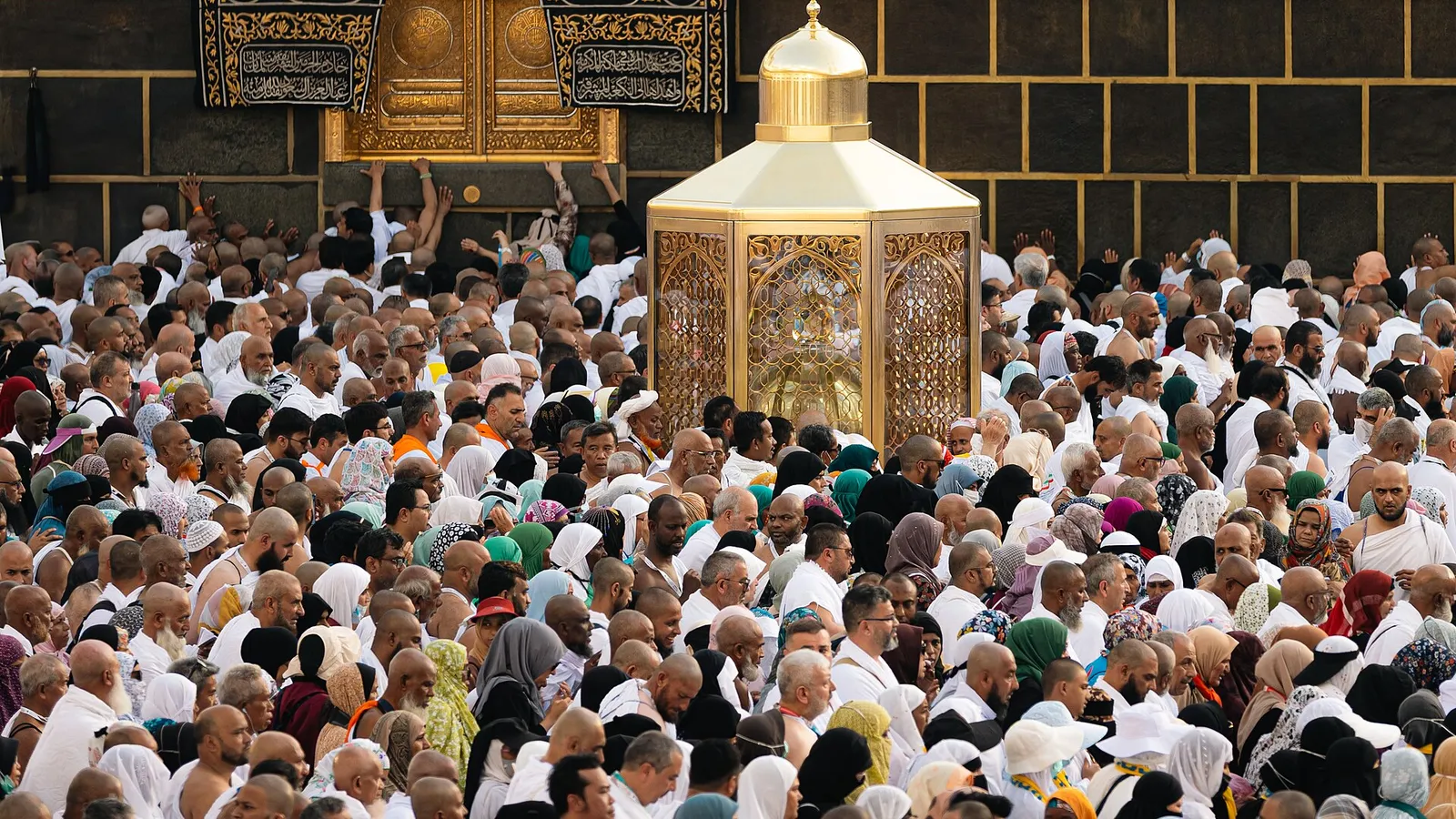
Pakistan’s Ministry of Religious Affairs, citing Foreign Office guidance, urged pilgrims travelling between Iran and Iraq to “use Iranian airlines or plan onward travel between Tehran/Mashad and Najaf” and to “verify every Iran-Iraq air sector before departure”. Zaireen group organisers were told to keep land routes, contingency funds and accommodation plans ready in case flights are cancelled.


Comments
Comments are reviewed by our editors before they appear. Please keep them civil and on topic. See our terms.
No comments yet. Be the first to share your view.