

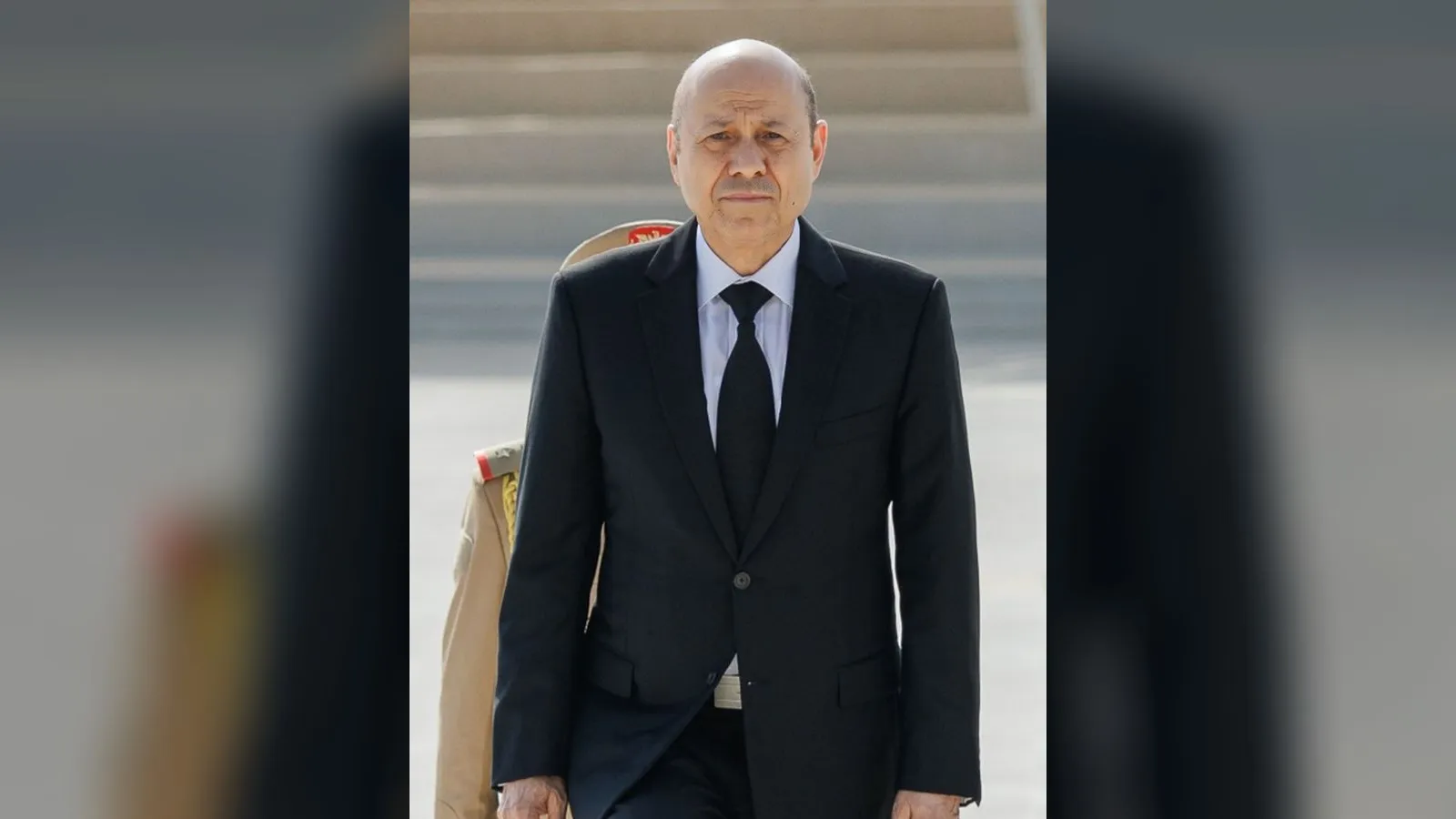
The leader of Yemen’s Saudi-backed government announced a major military operation against the Iran-backed Houthis on Sunday, aimed at retaking all the territory they control.
“Today, I announce the start of military operations to retake the remaining territory of the republic and extend the authority of the state and its institutions across the entire national territory,” President Rashad al-Alimi said in a televised address, The Express Tribune reported, citing Reuters.
He said the decision came after “all opportunities for de-escalation have been exhausted”, accusing the Houthis of answering efforts to calm the conflict with more mobilisation. He ordered the armed forces and all military formations to carry out their tasks under approved plans, and thanked Saudi Arabia for standing by Yemen “in the darkest circumstances”.
Saudi Arabia in the air, Yemenis on the ground
Regional and Western officials told Reuters this week that Saudi Arabia and its Yemeni allies were planning an assault, with the Saudis leading the air campaign and Yemeni forces fighting on the ground. The US is already providing intelligence to support Riyadh, and some regional and European countries are giving mainly defensive military aid to the kingdom.
Earlier on Sunday, Yemen’s armed forces said they were striking “vital targets” in Sanaa and the Houthi stronghold of Saada.
Houthis hit Aramco
The Houthis said they fired ballistic missiles and drones at Saudi Aramco sites in Riyadh and the Khurais area, causing major fires. They said it was in response to 50 Saudi-led air and missile strikes on Yemen in 12 hours. On Saturday, flames were seen at Aramco’s refinery south of Riyadh after a Houthi attack.
The Houthis hold the upper hand
The Houthis have so far kept the initiative on the ground:
- Bab el-Mandeb: they seized the strategic strait weeks ago in a lightning offensive down the coast, as government forces collapsed
- Taiz: in the last 48 hours they have gained ground on hilltops near Yemen’s third-largest city and are advancing on the last road linking it with Aden, where the government is based
- The north-west: they already control the most populated part of the country
A siege of Taiz, home to hundreds of thousands of civilians and al-Alimi’s own region, would worsen an already dire humanitarian crisis. Bab el-Mandeb, the southern gateway to the Red Sea, has become even more vital this year as an alternative to the Strait of Hormuz, which has been effectively closed by the Iran war.
Hunger spreads
The World Food Programme said last week that three in four families in parts of Yemen are going hungry because of the surge in fighting, which has displaced tens of thousands of people and disrupted supplies to millions.
How it started again
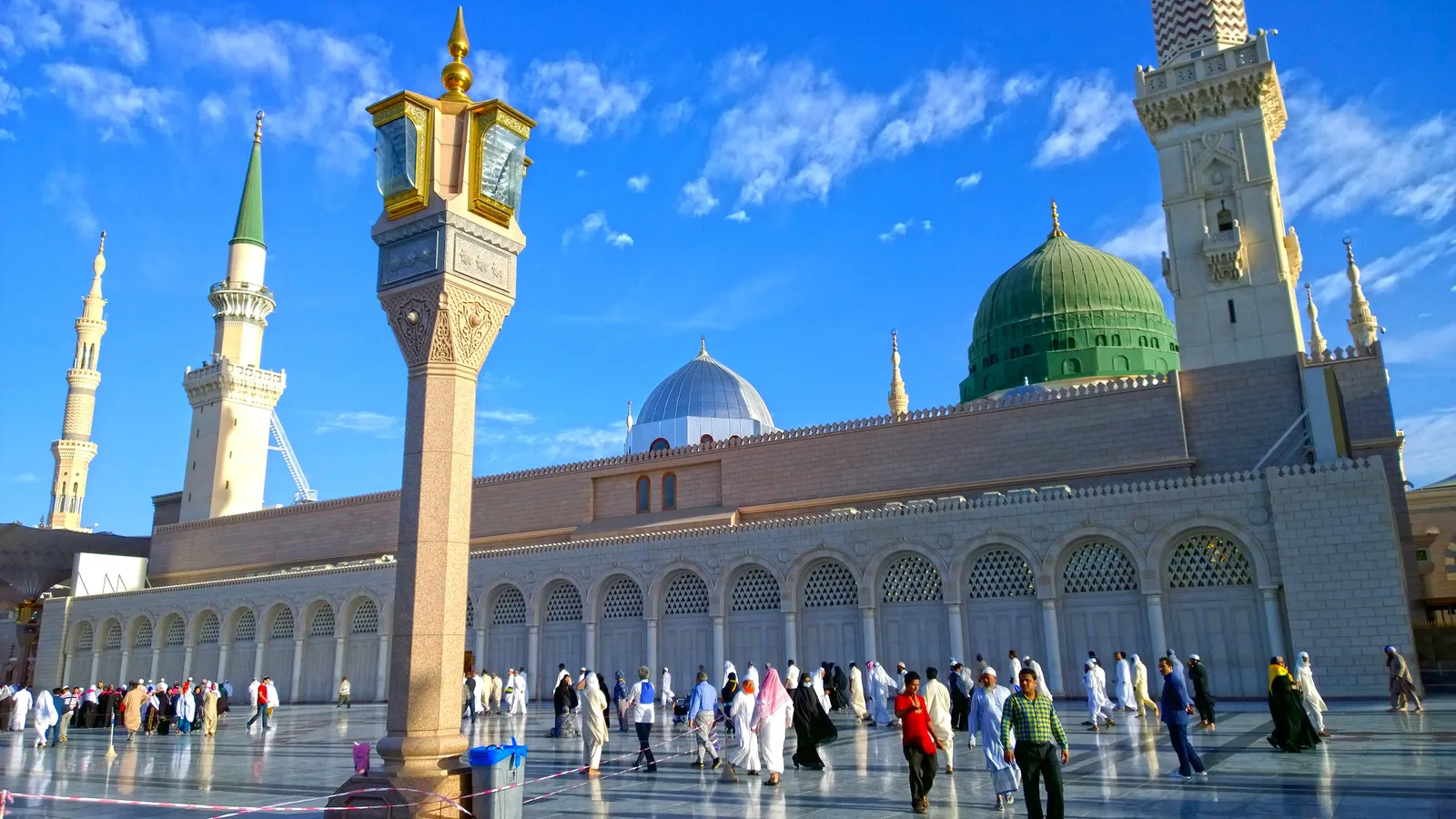
Saudi Arabia entered Yemen’s civil war in 2015. A truce agreed in 2022 largely held until this year, when the Houthis declared a naval blockade on Saudi Arabia in July and began attacking Saudi shipping and oil sites in a spillover from the Iran war. Last week, the Saudi-led coalition said a Houthi drone hit a power station supplying the Prophet’s Mosque in Madina, an attack Pakistan called a “grave provocation”. The Houthis denied it.
Why it matters
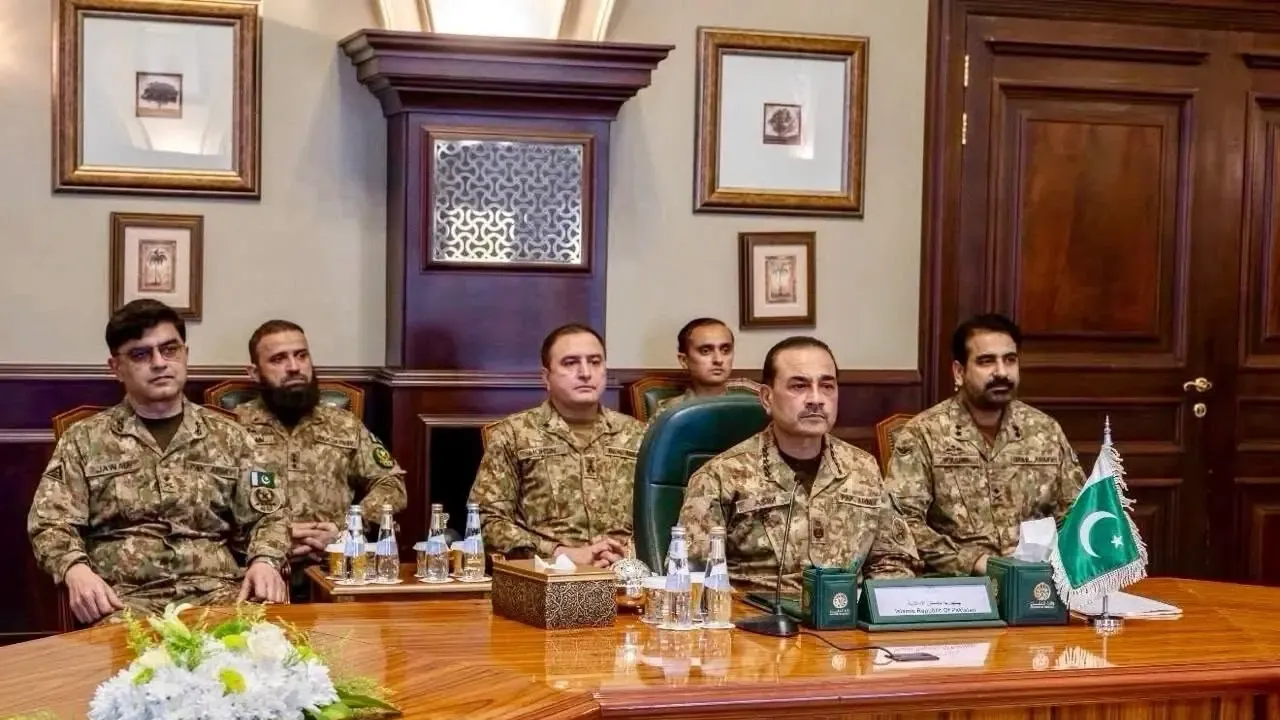
A full-scale war on the Arabian Peninsula threatens Saudi Arabia, a close Pakistani ally bound to Islamabad by two defence pacts, as well as world oil supplies and shipping. Read our reports on the Houthi attacks on Riyadh and Madina and on the Makkah pact meeting in Riyadh.
This article draws on reporting by The Express Tribune and Reuters.
Comments
Comments are reviewed by our editors before they appear. Please keep them civil and on topic. See our terms.
No comments yet. Be the first to share your view.