

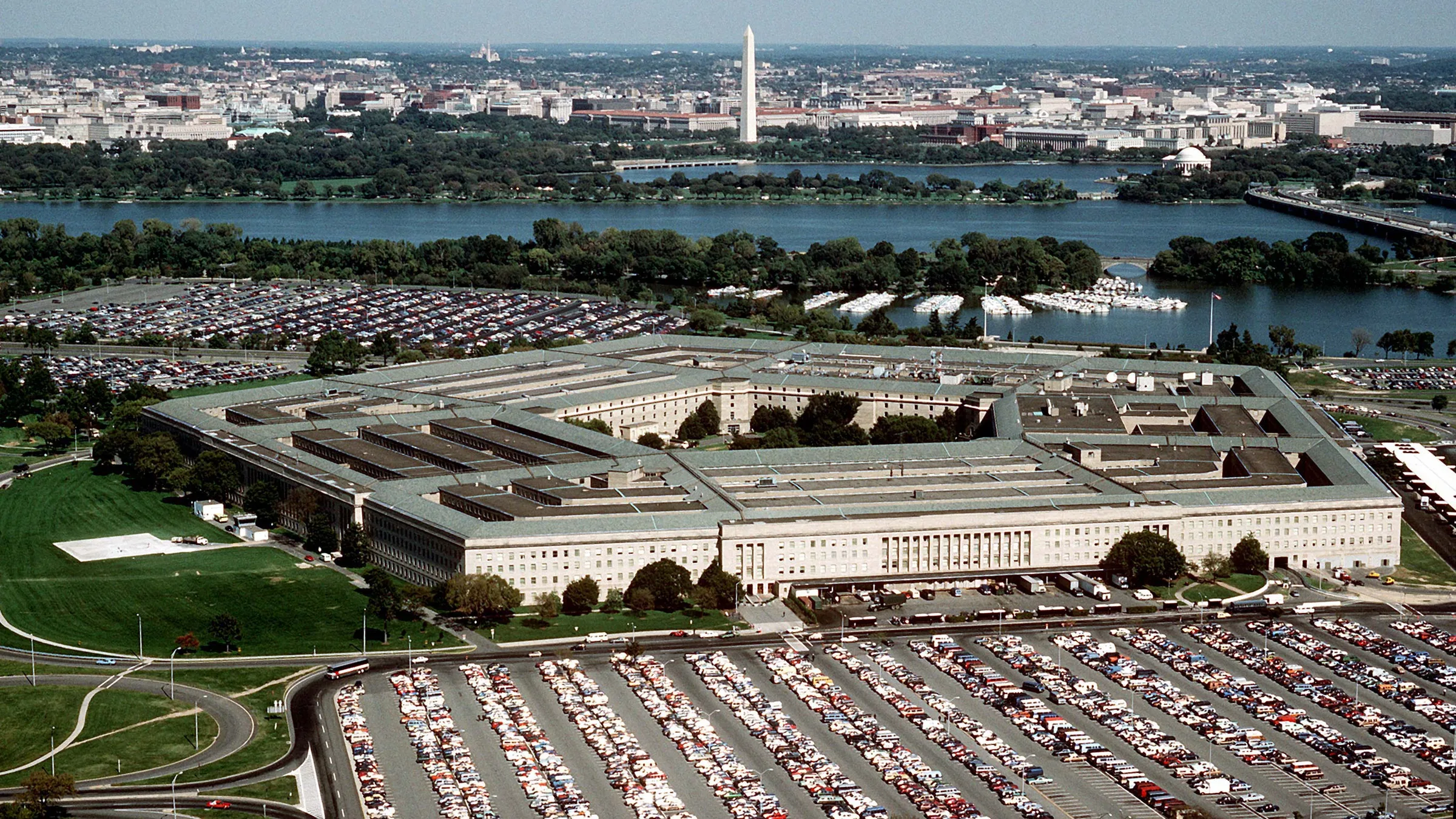
The United States has spent more than $47 billion on its war against Iran so far, according to Pentagon data obtained by Reuters and reported by Dawn. That is over 25 per cent higher than the Defense Department’s own estimate in July, and the figure has not been shared publicly.
Where the money has gone
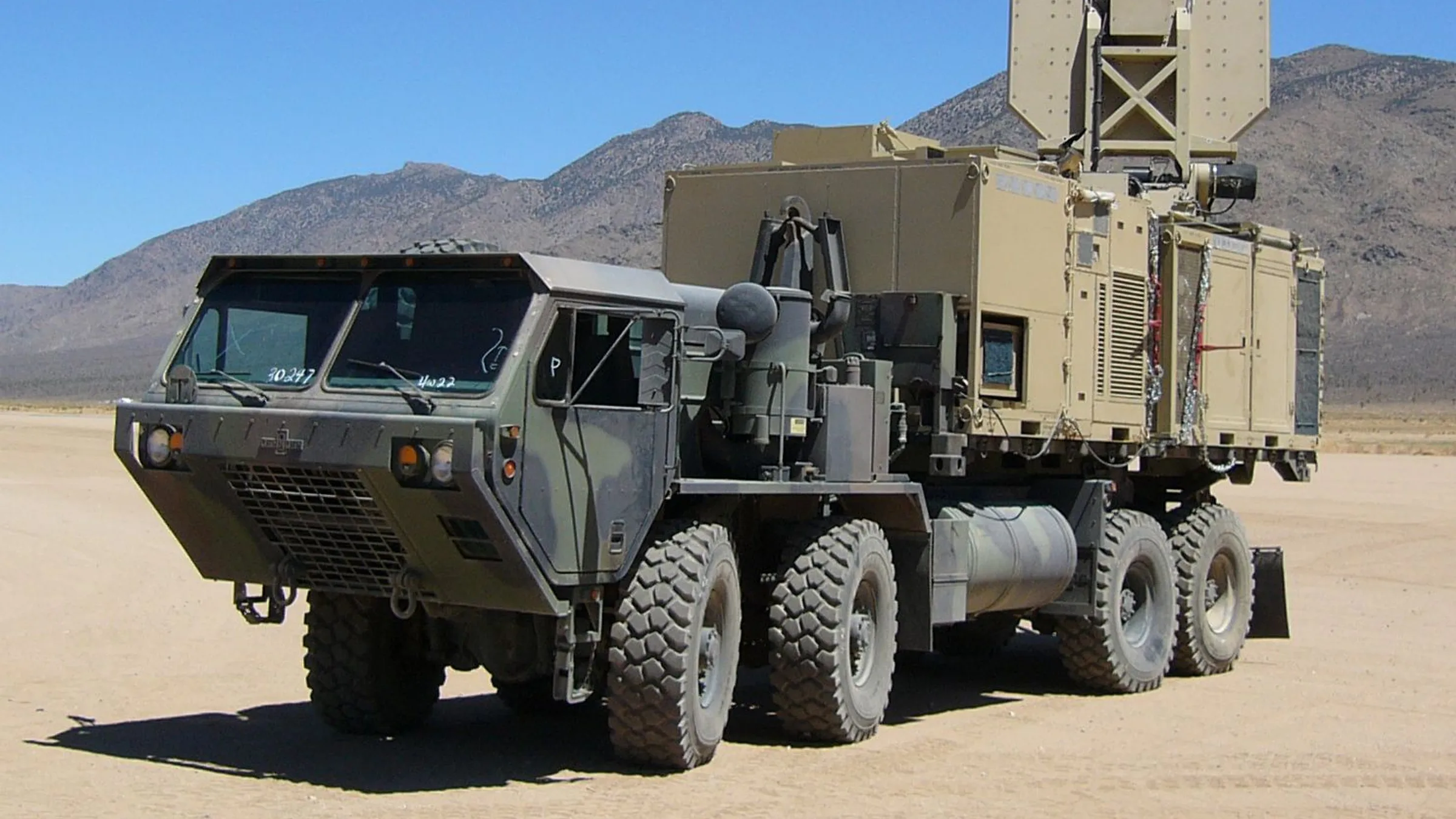
The Pentagon did not immediately respond when Reuters asked about the estimate. According to the data, the latest figure covers the operational costs of carrying out the war. On top of that, more than $29 billion is projected to be needed to replace the munitions used, and more than $6 billion to replace military equipment and what the Pentagon calls “platform losses”, which include aircraft and many drones lost in the fighting.
The July figure came from Defense Secretary Pete Hegseth, who put the cost at $37.5 billion. The new number includes a long list of operating expenses, from flying hours to cyber support. It did not clearly account for the large sum expected to be needed to repair US bases hit by Iranian missiles and drones, Reuters noted, so the real bill may be higher.
A war that was meant to be short
President Donald Trump launched the war jointly with Israel in February and predicted it would be over quickly. Reuters said the original plan was to use expensive, precise missiles first to destroy Iran’s air defences, then switch to cheaper munitions such as air-launched JDAM bombs, which are plentiful. But an April ceasefire gave Iran time to dig out underground storage sites and bring back some of its defences, missiles and drones that had been out of reach.
Since then Trump has put a naval blockade on Iran to cut its oil export income, and has talked about starting combat again after the midterm elections. US officials, who asked not to be named, told Reuters the Pentagon has been planning to resume heavy fighting if ordered. Read our earlier reports on Trump’s “another little Epic Fury” remark and on what is at stake in the midterms.
The political cost
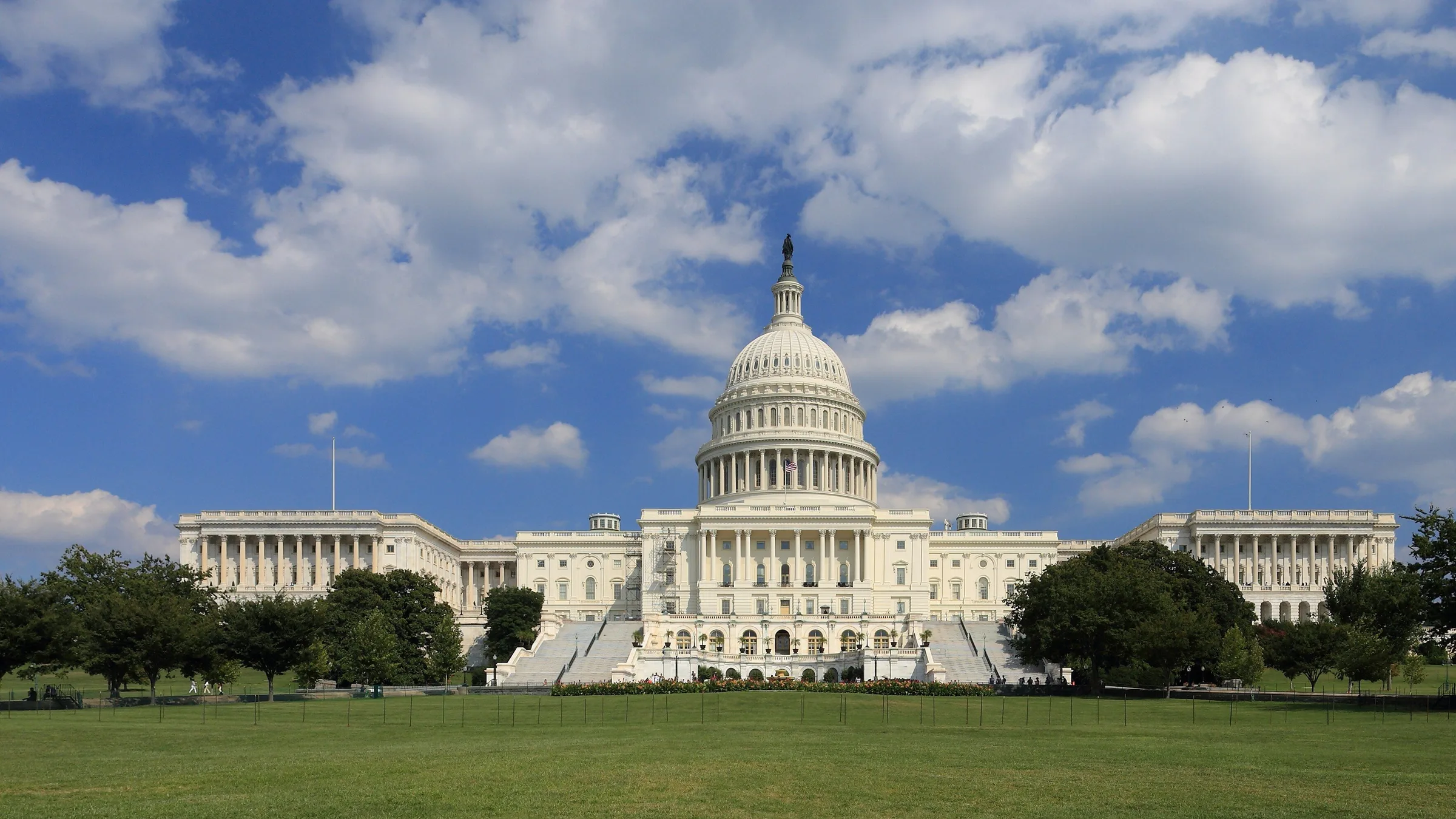
The disclosure lands days before the November 3 election that will decide control of Congress for the next two years. Republicans hold narrow majorities in both chambers and are trying to deal with the fallout from an unpopular war. Higher energy prices have weighed on support for Republican candidates and on Trump’s approval ratings, Reuters said. A Pew Research survey we cited earlier found that 65 per cent of US adults disapproved of his handling of the Iran military action and 73 per cent were very or extremely worried about higher fuel prices.
For readers in Pakistan, the same war shows up at the petrol pump rather than in a defence budget. Brent crude has stayed above $100 a barrel this month and touched $117 on attacks around the Strait of Hormuz and on Saudi Arabia, as we reported in our look at the oil market.
What remains unclear
The estimate is a leaked internal figure, not an official announcement, and the Pentagon has not confirmed it. It covers US costs only. It says nothing about the costs borne by Iran, Israel or the Gulf states, or about the human cost, which these figures do not count. Whether Congress will be asked to approve more money, and whether the bill changes any votes next week, are questions for the days ahead.
This article draws on reporting by Dawn and Reuters.


Comments
Comments are reviewed by our editors before they appear. Please keep them civil and on topic. See our terms.
No comments yet. Be the first to share your view.