

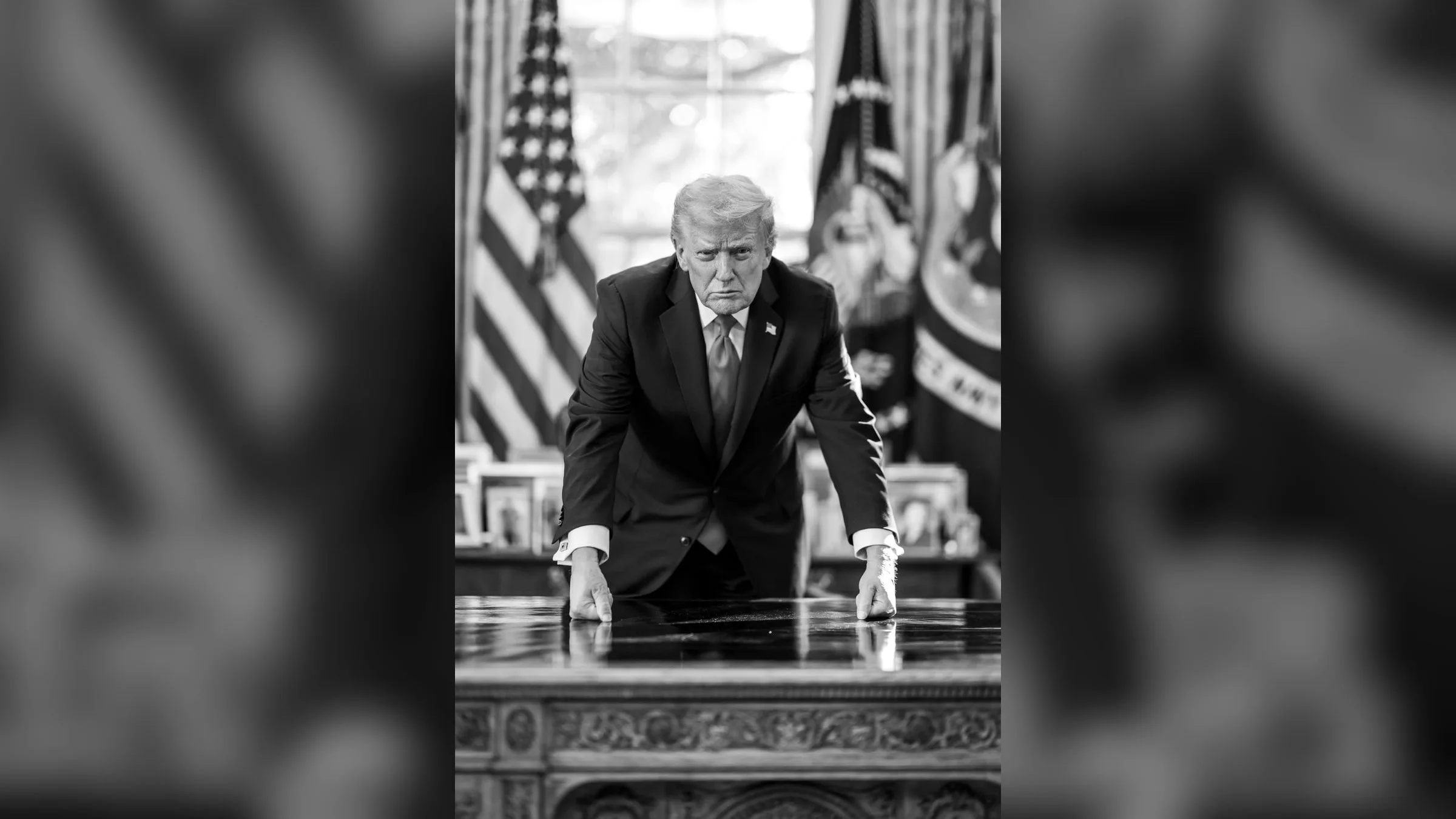
US President Donald Trump has renewed his threat of military action against Iran, raising questions about public support for the war and about Congress’s ability to restrain further escalation, Dawn reported.
“We may do another little Epic Fury,” Trump said, referring to the US military operation against Iran. He gave no details about when another operation might begin.
The reports behind the remark
The comment followed an ABC News report on Thursday that the US military and the Israel Defence Forces had drawn up options for renewed joint strikes. The report cited two Israeli sources familiar with the plans, who said the strikes would most likely take place after the midterm elections on November 3.
White House spokesperson Anna Kelly told ABC News that “the United States will not be attacking Iran at any time prior to the midterm elections.” Dawn noted that the reports show further military action is being considered, but do not establish that Trump has ordered an attack. Negotiations remain another possibility.
What the options are
In an analysis published on October 23, James M. Lindsay of the Council on Foreign Relations set out three options for Trump: escalate the conflict, negotiate with Tehran, or keep the current position. “All three options have substantial downsides and a questionable likelihood of succeeding,” he wrote. More attacks could add pressure on Iran but might prolong the conflict without a political settlement, negotiations would need the two sides to bridge their differences, and the current position could leave the conflict unresolved.
Andrew Payne of Chatham House argued in an October 15 analysis that foreign policy could play an unusual role in this year’s midterms, because the war’s economic effects could influence voters who might otherwise focus on domestic issues, particularly the cost of living.
What voters say
Polls show wide dissatisfaction with the war, especially over higher fuel prices and risk to American troops:
- Pew Research Center (September 28 to October 4, 5,062 US adults): 65 per cent disapproved of Trump’s handling of the Iran military action and 33 per cent approved. Some 73 per cent were extremely or very concerned about higher fuel prices and 71 per cent about American troops being wounded or killed. Nearly half, 47 per cent, expected the military action to continue for more than another year.
- AP-NORC (published October 22): about seven in 10 registered voters wanted the next Congress to make ending the Iran war a top priority, and about eight in 10 gave similar priority to reducing the cost of living.
Dawn cautioned that dissatisfaction with Trump’s handling of the conflict does not necessarily mean voters would oppose every possible military operation.
What Congress can do
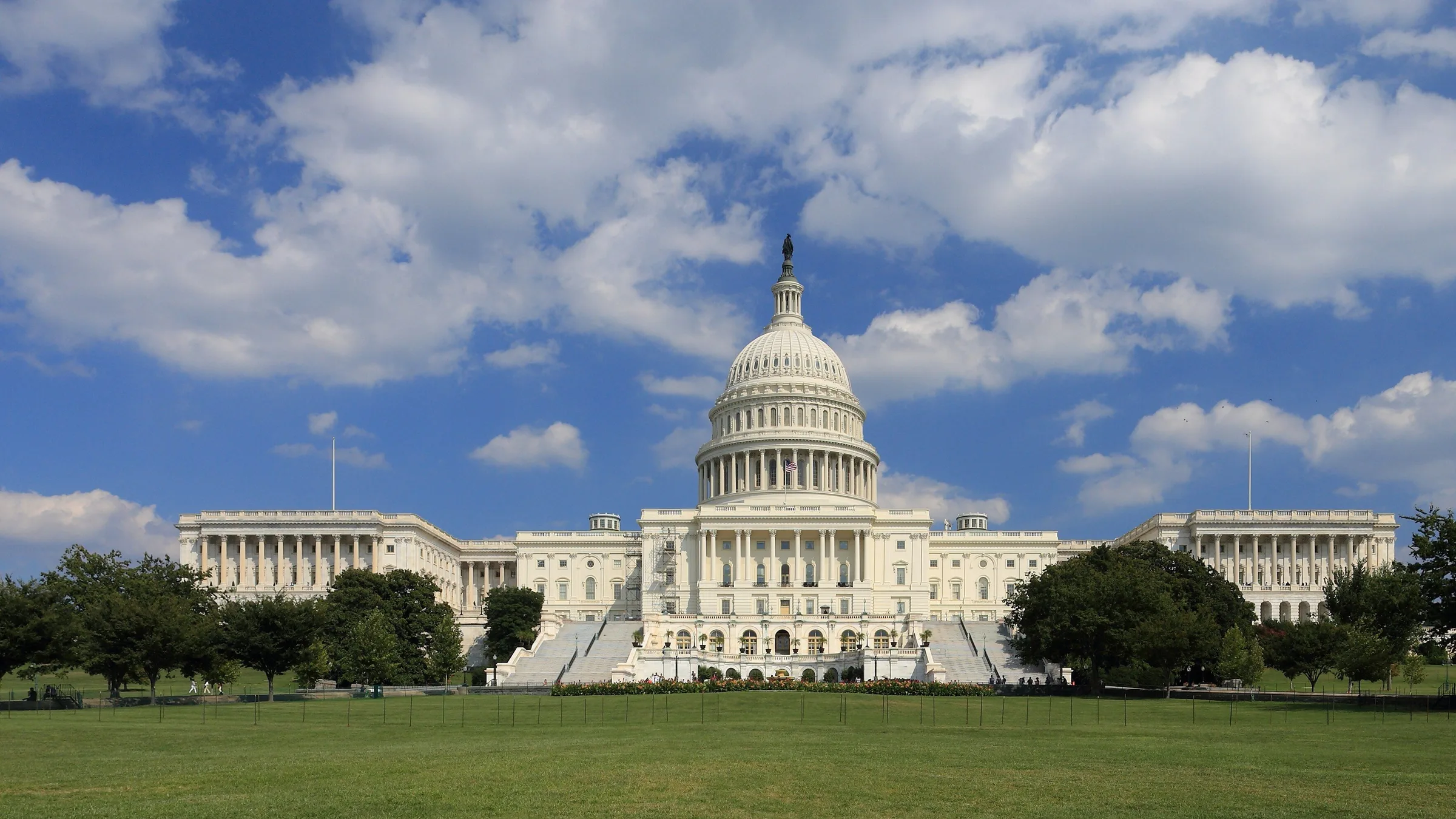
Congress can scrutinise military operations, hold oversight hearings and use its control of federal spending to influence the war. Lawmakers can also use the War Powers Resolution, which requires the president to notify Congress in certain circumstances when US forces enter hostilities and sets out procedures for lawmakers to consider whether the action should continue.
Funding could become especially important if the conflict widens, since Congress can approve, limit or put conditions on money for military operations. How much pressure builds will depend partly on whether Republicans stay united behind Trump. If some Republicans join Democrats in challenging the war, the administration could face closer scrutiny of its aims and its plan to end the conflict. Even so, a congressional challenge would not automatically prevent the president from ordering another strike, Dawn said.
The effect on Pakistan and the region
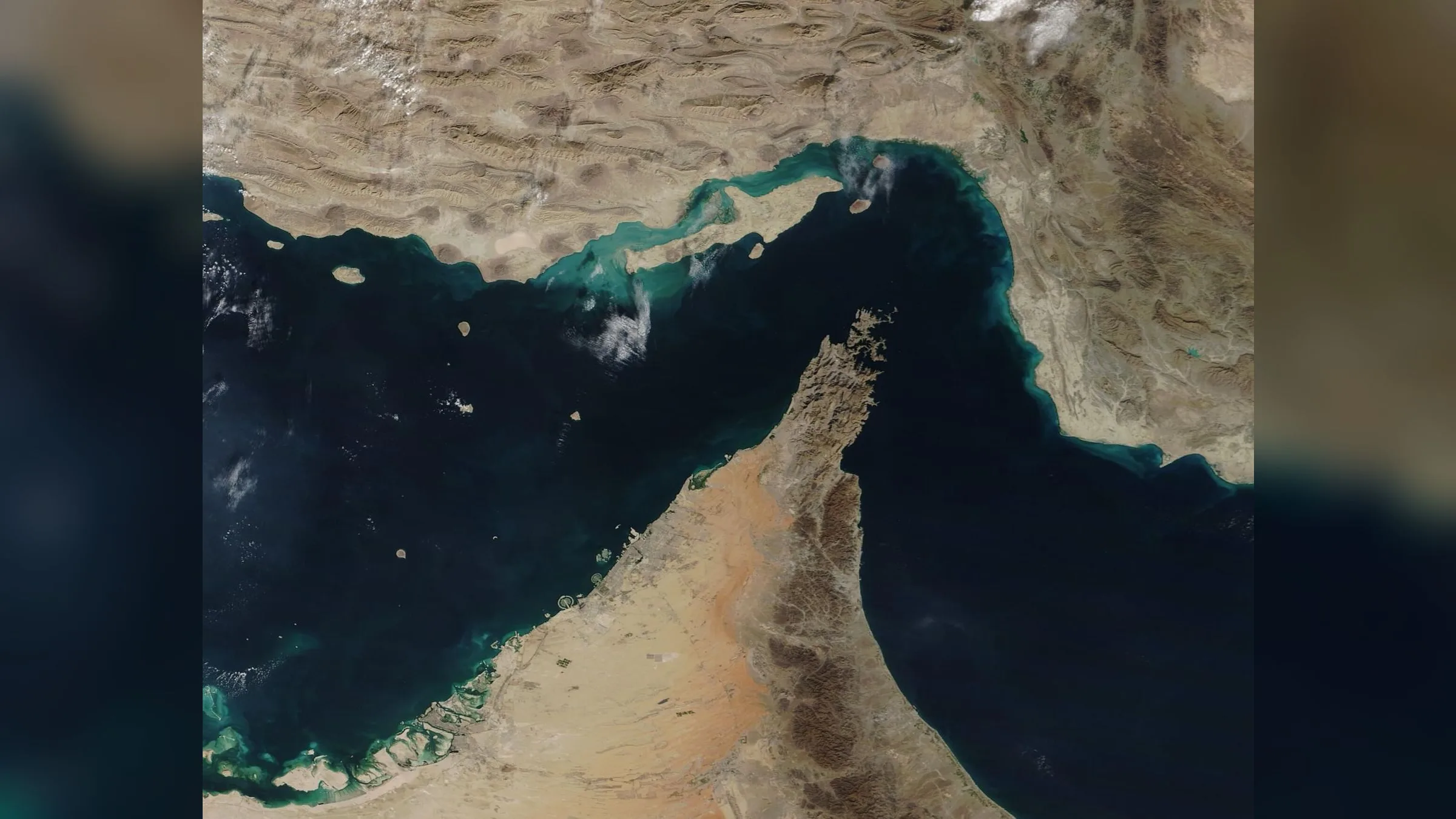
The war began in February and has choked the Strait of Hormuz and the Bab el-Mandeb, pushing up energy prices around the world. Pakistan has been trying to mediate between Washington and Tehran. Read our report on Iran’s account of talks continuing through Pakistan and Qatar.
Why it matters
Trump’s remark keeps the prospect of renewed strikes alive just days before the US vote, even as the White House says nothing will happen before it. For countries like Pakistan that depend on imported fuel, the next steps matter as much as the election result: renewed strikes could tighten supplies again, while negotiations could ease them. What happens in the midterms, and whether Congress gains the ability to constrain the White House, will help decide which path Washington takes.
This article draws on reporting by Dawn and The Express Tribune.
Comments
Comments are reviewed by our editors before they appear. Please keep them civil and on topic. See our terms.
No comments yet. Be the first to share your view.