

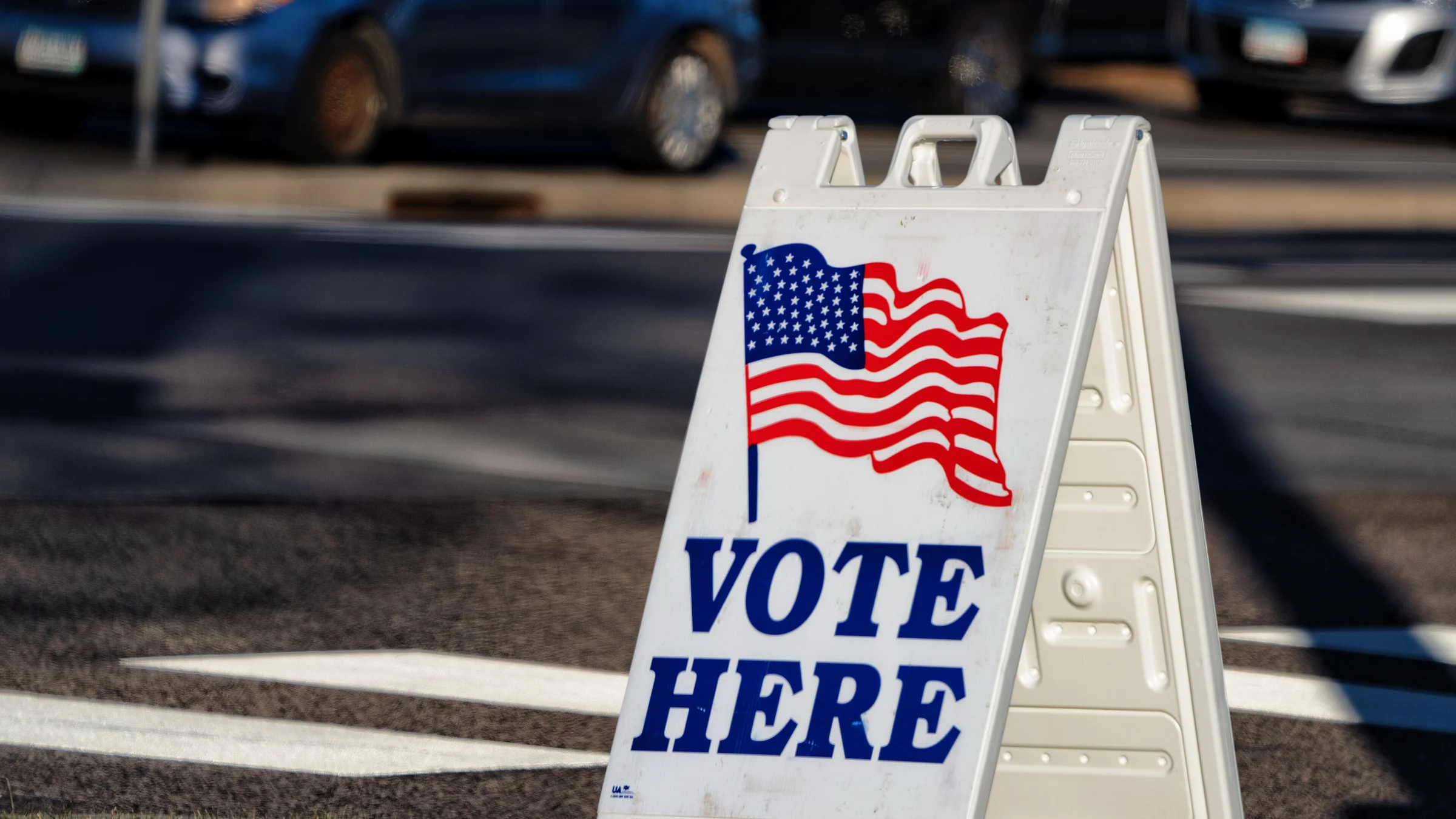
Democrats go into Tuesday’s US midterm elections with high expectations. A historically unpopular Republican president, voters unhappy about food and household costs, and months of favourable polls point to a good night, the BBC’s North America correspondent Anthony Zurcher wrote. But the history of American polling is a reason for caution.
Polls suggest Democratic candidates lead in well over the 218 seats needed to flip control of the House of Representatives, and are tied or narrowly ahead in the key Senate races. A recent New York Times poll had the Senate race in South Carolina, which Donald Trump won by 18 percentage points in 2024, as a tie, and recent CNN surveys put the Democrats ahead in Texas, Kansas and Maine.
The misses
Polls, even those taken just days before an election, have been off the mark. Trump outperformed predictions on his way to the White House in 2016 and 2024, and his narrow defeat in 2020 came after most surveys suggested a more comfortable win for Joe Biden. This year’s primaries showed it again. Polls suggested Abdul El-Sayed was heading for a double-digit win in Michigan’s Democratic Senate primary, but the margin was 1 per cent. In Wisconsin’s Democratic primary for governor, a candidate with a lead of nearly 20 points lost by a fraction of a point.
Clifford Young, president of Ipsos Public Affairs, says polling has become harder because people are harder to reach as they drop landlines and screen calls, and those who do answer are less willing to take part. “Conservatives, especially those on the far right, are much more anti-establishment by nature,” he says. “And they don’t participate in anything. They hate the system. That’s the challenge.” If Republican voters are systematically undercounted, and pollsters do not adjust for it, the data could tilt towards Democrats. Pollsters also struggle to predict who will turn out: part of Trump’s overperformance, the BBC notes, was due to supporters who were not regular voters turning out in larger numbers than expected.
Reasons for some calm
There are counter-arguments. Midterm polls have been more accurate in recent years than presidential ones, partly because Trump himself is not on the ballot. In 2022 they suggested Democrats would avoid a wipe-out despite Biden’s low approval, and that is roughly what happened: they lost the House by slim margins but kept the Senate. Errors also run both ways: in last year’s state and special elections, Democrats beat most surveys because their voters turned out in unexpectedly large numbers. And an average of polls is generally a better guide than any single survey, which carries its own margin of error. The party of the president usually has a bad night in a midterm. In 2010, Republicans flipped more than 60 House seats under Barack Obama.
Why Democrats might still fall short
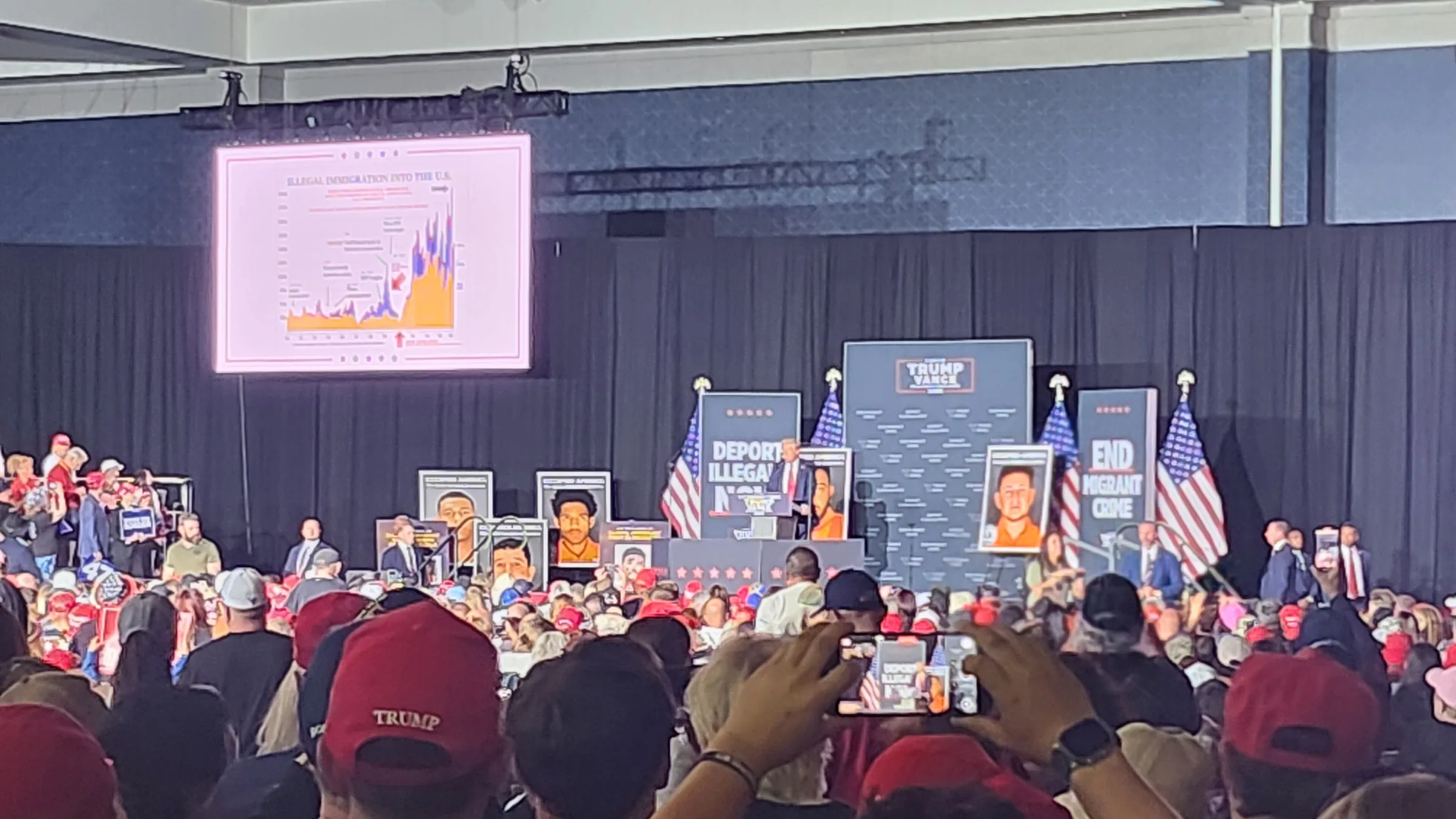
Zurcher lists several reasons that a Democratic win might be smaller than history would suggest. Much of the territory in play was won easily by Trump two years ago, so it is “like a home game for Republicans”. Boundary changes over the years mean fewer seats switch parties. There are fewer swing voters in a deeply polarised country. And Republicans have a cash advantage that gave them hundreds of millions of dollars for attack ads in the final weeks. Trump’s rallies in states he won comfortably in 2024 have lifted Democratic hopes that Republican internal polls show trouble, but late shifts, and undecided voters breaking the same way, can still change a race.
What to watch in Pakistan time
Results start to come in after polls begin to close on Tuesday evening in the US, which is the early hours of Wednesday in Pakistan. The House result could become clear early if Democrats win by a wide margin. The Senate may take longer, since it depends on a handful of states. We set out what is at stake in our report on Americans voting in the midterms, including the court fights in our story on the Supreme Court and the California ballots.
What we know, and what we don’t
- Known: polling averages favour Democrats in the House and show tight Senate races.
- Known: pollsters have missed by a few points in recent elections, including in this year’s primaries.
- Unknown: the direction and size of any polling error this time.
- Unknown: whether turnout among less regular voters will change the result in close states.
Why it matters
The result will decide whether Trump faces a Congress that can block his agenda and investigate his administration for the last two years of his term, and it will shape US decisions on the Iran war and trade. Because so many races are within polling’s margin of error, the outcome could differ from the forecasts by a few seats in either direction. That is why analysts caution that polls describe the probable result, not the certain one.
This article draws on reporting by BBC News.

Comments
Comments are reviewed by our editors before they appear. Please keep them civil and on topic. See our terms.
No comments yet. Be the first to share your view.