

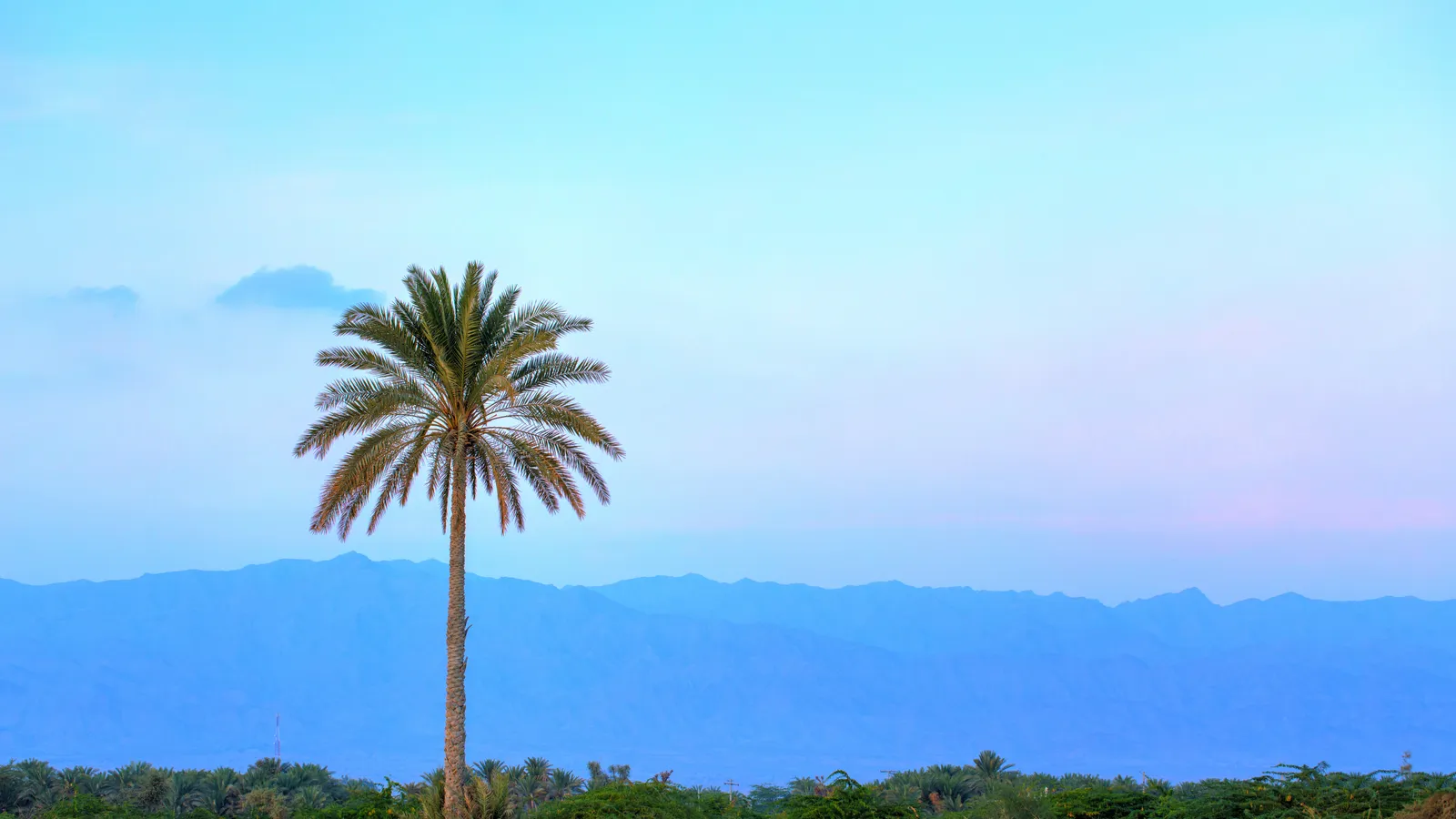
In blazing heat, Muhammad Idrees ladles boiled dates from a vat simmering over an open fire in Sindh’s Khairpur district. The work, labourers say, gets hotter every year.
“It used to be less intense,” Idrees told AFP as temperatures hit 42 degrees Celsius. “The heat is much harsher and the days are extremely hot. We fall ill because of it,” The Express Tribune reported.
Working through the night
The date season begins in July, when temperatures in Sindh regularly reach the mid-40s. To avoid the worst of the heat, workers arrive at the farms around 2am, take a break, and then work on until late evening.
Their work is gruelling:
- Harvesting: picking dates from the palms that line Khairpur
- Hauling: loading the fruit onto trolleys
- Boiling: cooking the dates over open fires
- Drying: spreading them out in the sun
Idrees, who has worked the harvest for more than a decade, said the heat has become “unbearable”. Multiple workers said they often suffer heatstroke, fainting and fever, even though they split the day into short shifts. “When the heat makes us sick, we go to the doctor for treatment and then return to work,” he said.
“We harvest the dates, load them onto trolleys and bring them here,” he said. “They are boiled over the fire and then spread outside in the sun to dry.”
For all this, he earns about Rs1,200, roughly $4, a day.
A vital crop
Khairpur produces more than half of Pakistan’s dates and supports thousands of farmers and seasonal labourers. Pakistan is the world’s fifth-largest date producer and normally earns more than $120 million a year from date exports, according to industry estimates.
But changing weather is hitting farmers too. Shahnawaz Phulpoto, who owns more than 1,500 palm trees, said heavy monsoon rains caused by shifting weather patterns have damaged date crops and caused financial losses.
On the front line of climate change
Date labourers are among many workers in Pakistan whose jobs are becoming harder and more dangerous as temperatures climb.
Pakistan contributes less than one percent of global greenhouse gas emissions, yet it is among the countries most vulnerable to climate change. It has faced more frequent heatwaves, erratic monsoon rains and devastating floods, including the catastrophic 2022 floods that covered about a third of the country, displaced millions and hit Sindh especially hard.
What could help
Workers like Idrees have little protection. Measures such as shaded rest areas, clean drinking water at work sites, shifts planned around the hottest hours and access to basic healthcare could reduce heat illness, as could fair wages that let workers rest when they fall sick.
Why it matters
Pakistan’s dates reach tables across the world, but the people who harvest them are paying a growing price in their health. Their story shows how climate change, caused mostly by richer countries, is already reshaping work and lives in rural Sindh. Read our report on the toxic crisis at Manchar Lake.
This article draws on reporting by The Express Tribune and AFP.
Comments
Comments are reviewed by our editors before they appear. Please keep them civil and on topic. See our terms.
No comments yet. Be the first to share your view.