

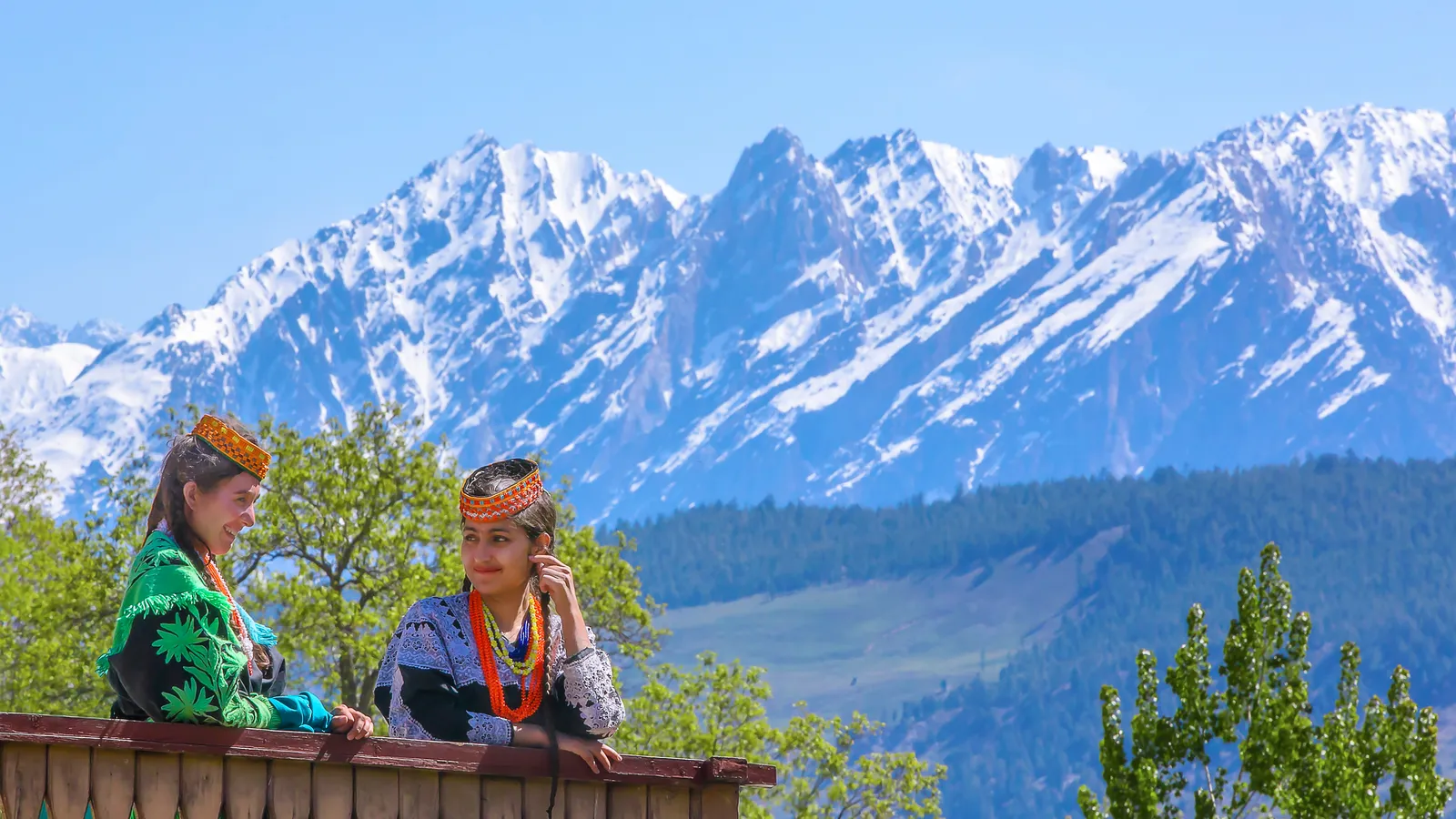
In the Kalash valleys of Lower Chitral, home to one of Pakistan’s most distinctive cultures, climate change is bringing shorter winters, hotter summers, drying springs and more frequent flash floods, threatening farms, homes and a way of life that has lasted for centuries.
Residents of the Bumburet, Rumbur and Birir valleys say weather patterns have changed sharply in recent years, The Express Tribune reported.
What is changing
- Winters: snowfall has become shorter and lighter, and no longer falls reliably in December and January
- Summers: hotter than before
- Rain: more unpredictable
- Floods: sudden flash floods are more frequent, damaging farmland, crops, houses, roads and irrigation channels
“Flash floods damage people’s agricultural land and crops, and in several places houses have also been affected,” said Daniel Feroz, a resident and social activist. The main road into the valley and the internal link roads are regularly hit, causing problems for residents and tourists alike.
Springs running dry
Farming in the valleys depends on springs and rain. Several springs have weakened and some have dried up completely, Feroz said. Maize and wheat are the main crops, and wheat in particular needs rain at the right time. When it fails, harvests shrink, hitting household food and income.
Forests under pressure
With no gas supply, families burn wood all year for cooking and to heat their homes in winter. Wood is also used to build houses and animal shelters.
“Dependence on wood is a long-standing issue across parts of Chitral,” said local journalist Sameer, who said some people cut more timber than permitted. He called for alternative energy suited to local needs.
Goats add to the strain. Large herds graze in forests and pastures, eating young shoots and saplings so that new trees struggle to grow. “On one hand mature trees continue to be cut; on the other, new plants struggle to grow,” Feroz said. Yet goats are central to Kalash culture, sacrificed in large numbers in religious rituals, especially at funerals.
A dangerous cycle
In mountain valleys, forests hold soil in place, protect water sources and steady the slopes. As they thin out, heavy rain can trigger landslides and send boulders and debris crashing into streams, making floods more destructive. Residents say monsoon streams now often carry large rocks that damage roads and irrigation channels.
The Forest Department has a presence, but too few guards for such large forests, Feroz said. Better monitoring, transparent permits and alternative fuel could ease the pressure.
Culture tied to nature
“Kalash culture cannot be separated from its natural surroundings,” said social activist Log Rahmat. Traditions, rituals, farming, herding, springs and forests are all bound together, so damage to one threatens the rest.
Why it matters
The Kalash are one of Pakistan’s smallest and most unique communities, and their valleys draw visitors from around the world. Climate change is putting both their livelihoods and their heritage at risk. Providing gas or other fuel, protecting forests and building flood-resistant roads and channels would help them adapt. Read our report on the threat to Deosai’s brown bears.
This article draws on reporting by The Express Tribune.




Comments
Comments are reviewed by our editors before they appear. Please keep them civil and on topic. See our terms.
No comments yet. Be the first to share your view.