

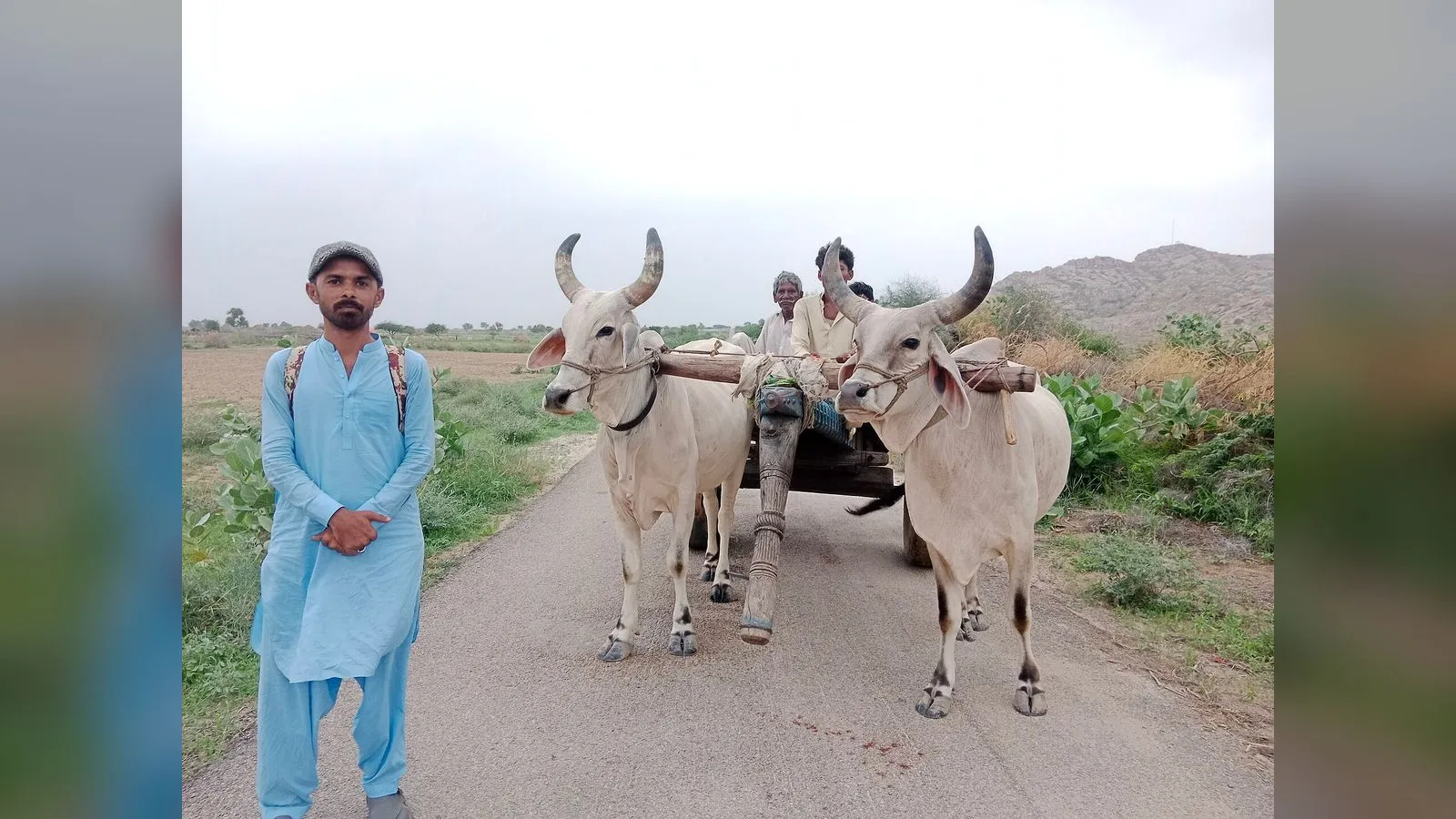
Drought-hit families in Tharparkar are once again packing up and migrating with their livestock in search of water and fodder, as rain-fed crops fail after Pakistan’s hottest monsoon in 66 years.
Farmers who sowed millet, guar and other rain-dependent crops after early rains watched them wither when later rains failed to arrive, The Express Tribune reported on World Food Day. With grazing land dried up and fodder running short, livestock owners are heading for irrigated barrage areas, carrying provisions for more than a week and surviving on dry bread, jaggery and water on the way.
“Forced to migrate again”
Khemoon Bhel, a livestock owner from Vee Hangorja village in Mithi taluka, cultivated 20 acres after the first rains, but the dry spell destroyed his crops and left his animals without fodder. He returned from the barrage areas only two months ago and is now being forced to migrate again. The money he spent on tractor work and seed has gone to waste.
For households in Thar, a failed crop means losing not only grain but also fodder, milk and income. Most families buy their wheat from the market, and rising food prices are making it harder for poor households to afford enough to eat.
Children at risk
The strain is raising concerns about malnutrition among children and pregnant women. A study of 129 children treated for severe acute malnutrition at Mithi Civil Hospital between March and June 2024 found that 117, or 90.7 percent, were anaemic, according to a paper published in January 2026.
Court petition
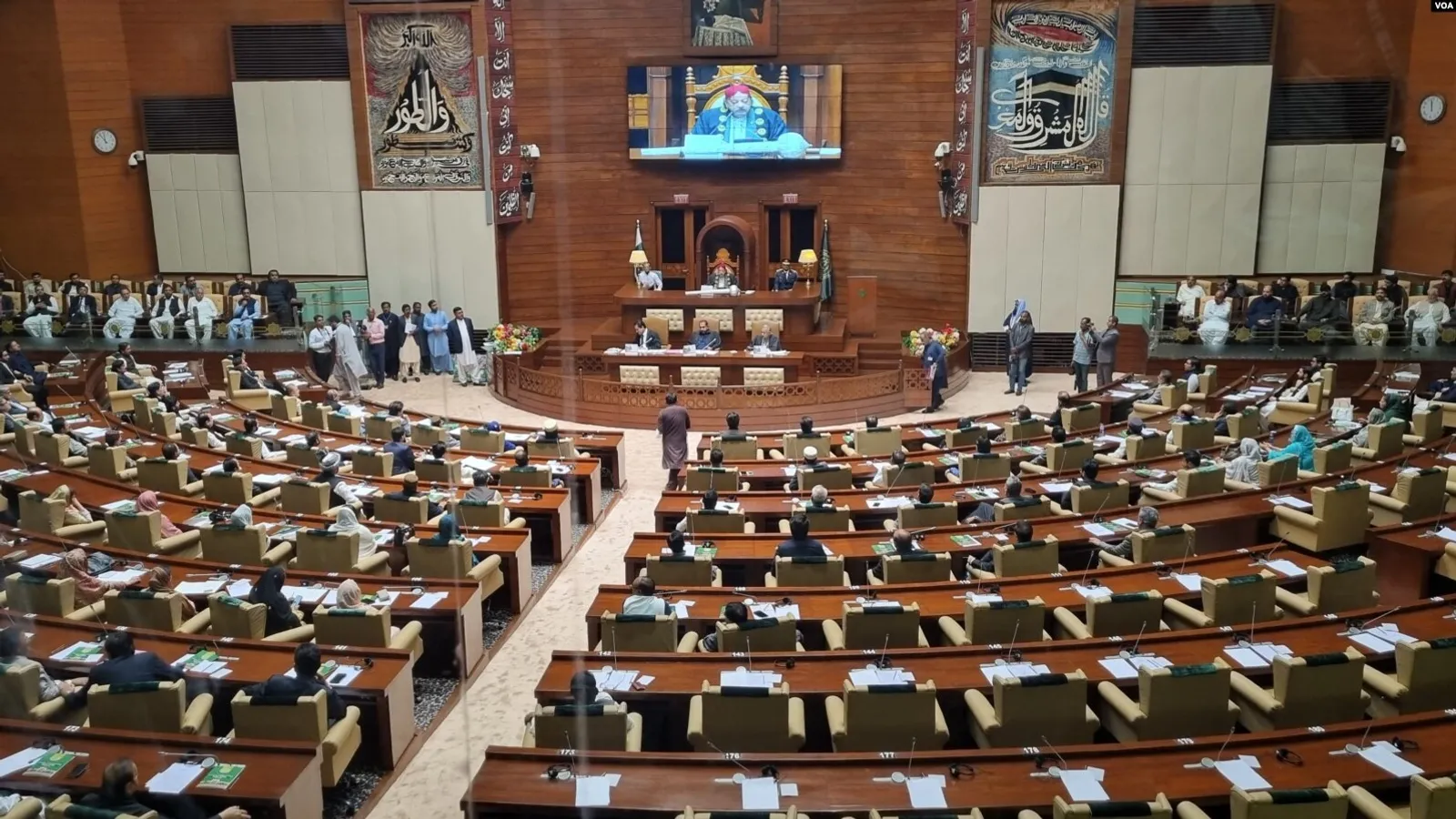
The district administration has not declared Tharparkar calamity-hit or sought relief from the Sindh government. Lawyer and activist Qurban Samejo has filed a petition in the Sindh High Court’s Mirpurkhas bench, saying no survey has been carried out. The court has summoned the National Disaster Management Authority, Sindh government departments and the deputy commissioner.
Lawyer Ashiq Ali said drought-like conditions recur in Thar every three to four years, and climate change is making the district more vulnerable.
Hottest monsoon in 66 years
Pakistan’s 2026 monsoon recorded the highest average temperature in 66 years, according to the Pakistan Meteorological Department, The Express Tribune reported:
- Average temperature: 30.7°C, beating the previous record of 30.6°C set in 2019
- Hottest spot: Turbat in Balochistan reached 48.5°C
- Rainfall: Sindh was 51 percent below normal, Balochistan 34 percent, Azad Jammu and Kashmir 18 percent, Khyber Pakhtunkhwa 16 percent and Punjab 4 percent
- Exception: Gilgit-Baltistan received 5 percent more rain than normal
Some areas still saw heavy downpours: Lahore airport recorded 252mm in a single day on July 23, and Gujranwala received 607mm in July.
Why it matters
Thar’s families live on the edge of every monsoon. A record-hot season with half of Sindh’s normal rain has pushed them off their land again, and without relief, children will pay the highest price. Read our reports on Pakistan’s hunger score and on the record El Nino.
This article draws on reporting by The Express Tribune.

Comments
Comments are reviewed by our editors before they appear. Please keep them civil and on topic. See our terms.
No comments yet. Be the first to share your view.