
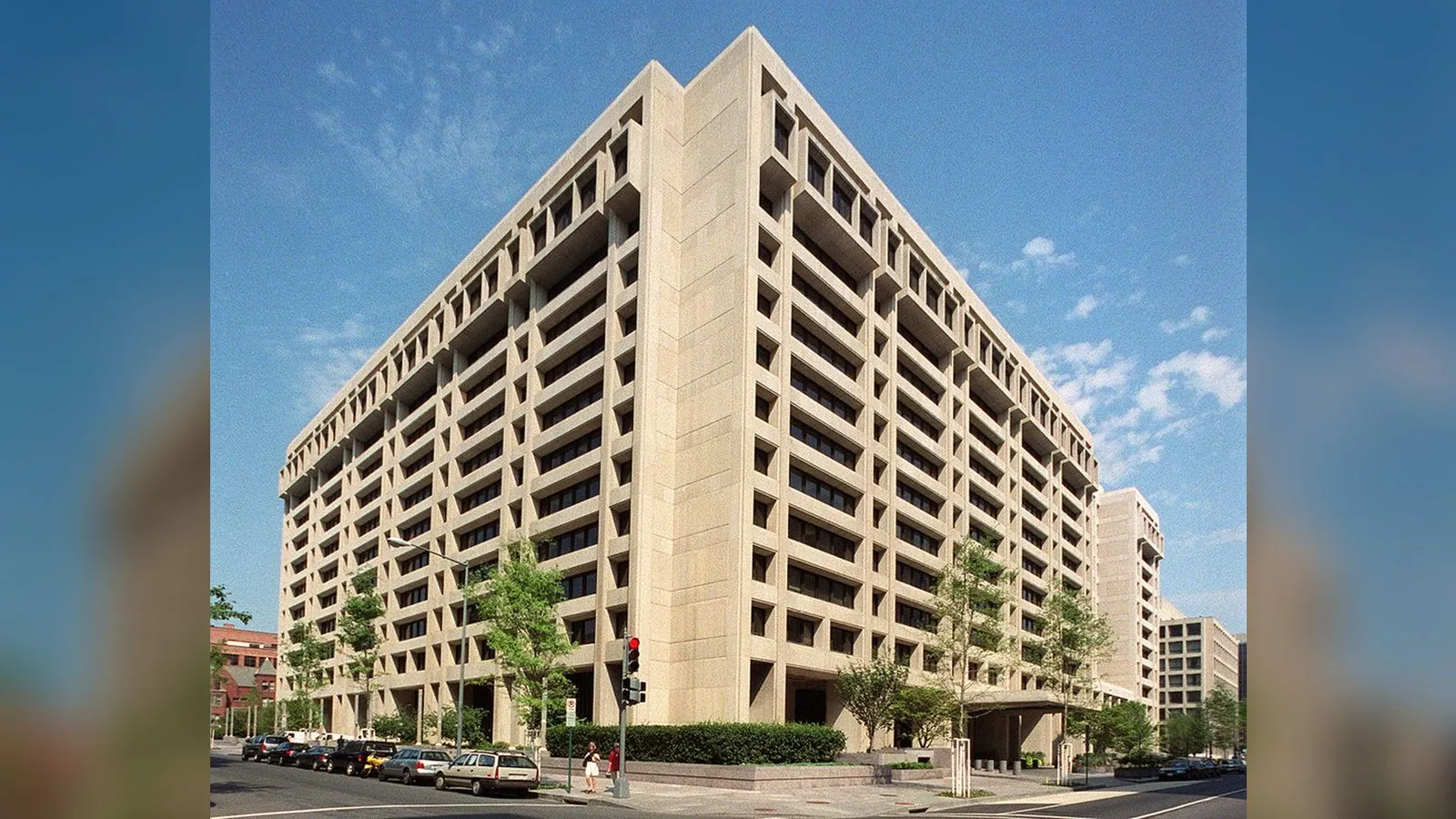
Pakistan will chair the Boards of Governors of the World Bank Group and the International Monetary Fund in 2027, the first time it has held the position since 1953.
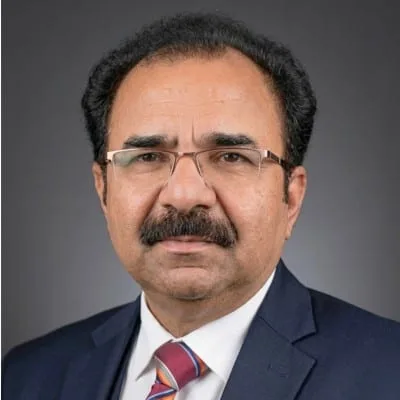
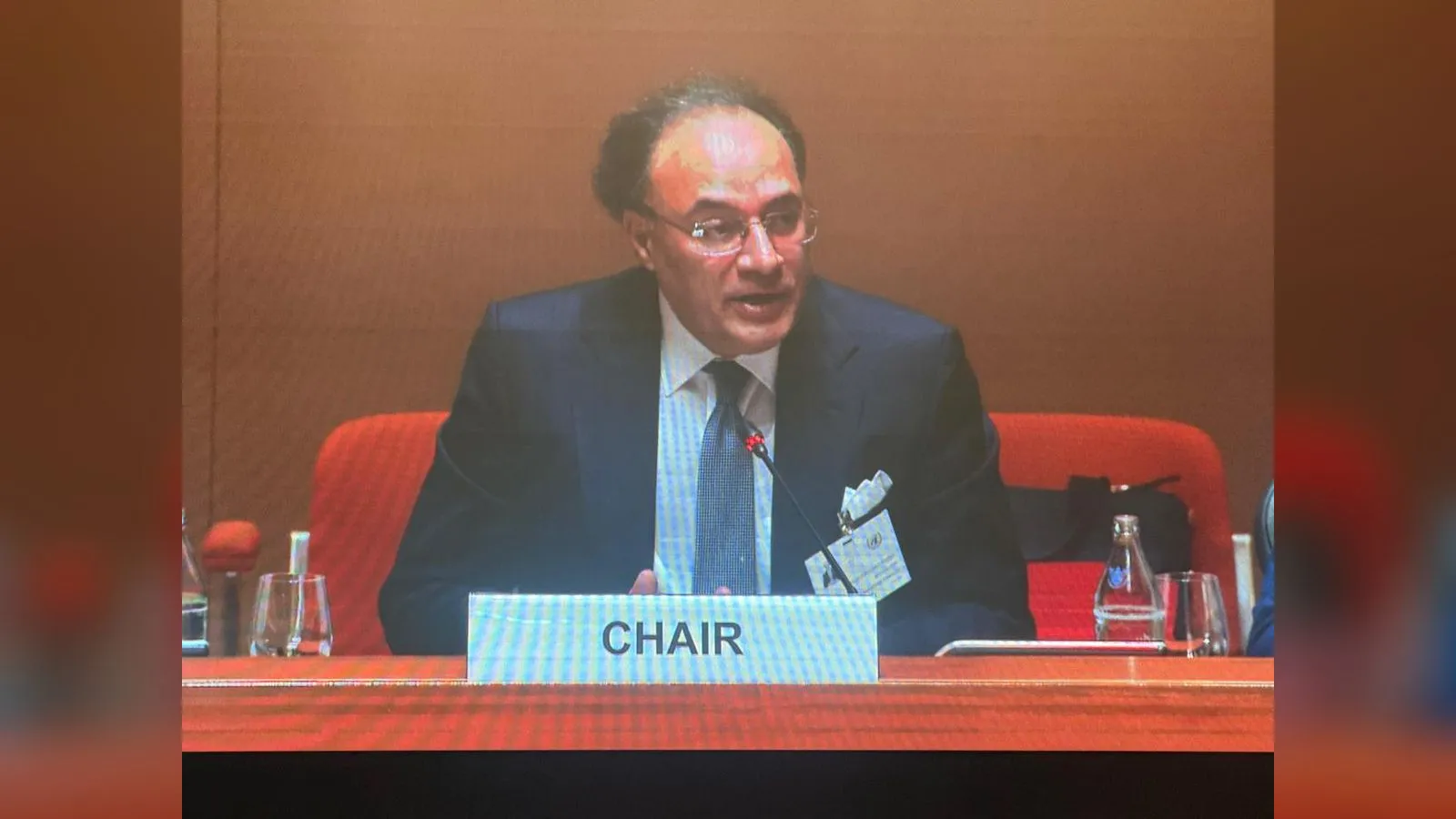
Federal Minister for Economic Affairs Ahad Khan Cheema was formally announced as the incoming chair during the plenary session of the 2026 World Bank-IMF annual meetings in Bangkok, the Ministry of Economic Affairs said on Friday, Geo News reported.
What the role involves
The chairmanship will give Pakistan an opportunity to contribute to global economic and development discussions and to help build constructive dialogue among member countries, the ministry said.
After the plenary, Cheema, who is also Pakistan’s governor to the World Bank Group, was briefed by the bank’s Corporate Secretariat on the responsibilities of the post. He also met:
- Aradhana Kumar-Capoor, vice president and corporate secretary of the World Bank Group, to discuss institutional support and coordination during Pakistan’s term
- Carlos Carvallo Spalding, governor of the Central Bank of Paraguay and the outgoing chair, whom he congratulated on completing his tenure and praised for his stewardship of the chairmanship; the two discussed the responsibilities of the office and priorities for the year ahead
Pakistan’s priorities
During the meetings, Cheema said Pakistan was committed to:
- A stronger voice for developing countries in global economic decision-making
- Effective and predictable development financing
- Better coordination among multilateral development institutions
- Mobilising private capital for sustainable and inclusive growth
The meeting with Spalding gave Pakistan a chance to benefit from the outgoing chair’s experience and insights before taking over, the statement said.
Cheema reaffirmed Pakistan’s resolve to work closely with the World Bank, the IMF and member countries for “a more responsive multilateral development and financial system”, the ministry said.
Pakistan at the Bangkok meetings
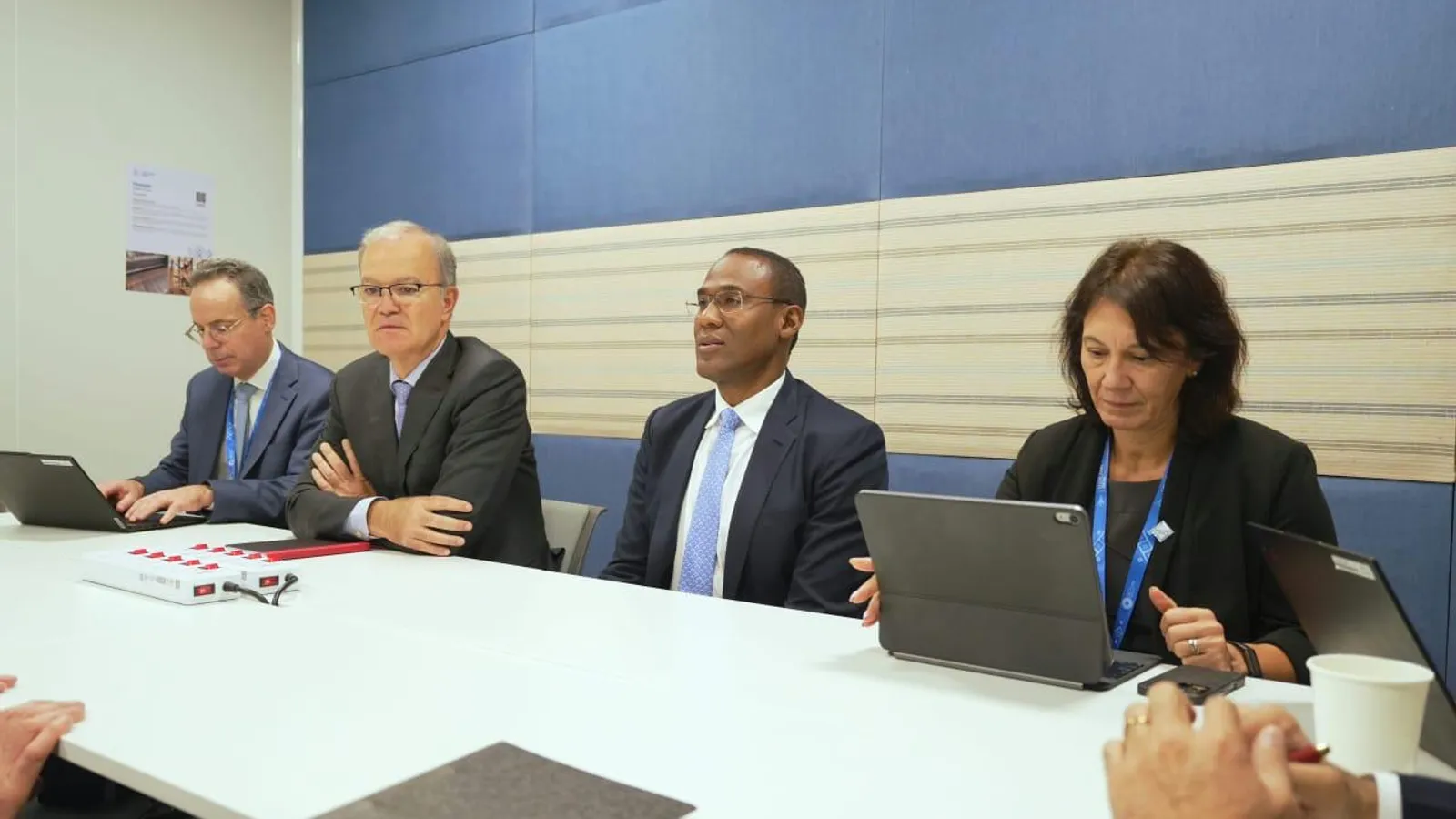
The announcement caps a busy week for Pakistan’s economic team in Bangkok. Finance Minister Muhammad Aurangzeb met IMF Deputy Managing Director Nigel Clarke, outlining targeted fuel subsidies for vulnerable groups and pointing to stronger reserves, three consecutive years of primary surpluses and a declining debt-to-GDP ratio.
Pakistan is in a $7 billion IMF Extended Fund Facility and a $1.4 billion Resilience and Sustainability Facility. A staff-level agreement reached this month qualifies it to draw about $1.2 billion, subject to IMF board approval.
The meetings also brought difficult news: the IMF raised its inflation forecast for Pakistan this fiscal year to 9.9 percent and kept growth at 3.5 percent, while the World Bank rated its main tax reform programme in Pakistan “moderately satisfactory” with “substantial” risk.
Why it matters
Chairing the boards of the world’s two biggest financial institutions is a rare honour that Pakistan last held more than 70 years ago. It gives Islamabad a platform to speak for developing countries hit hard by the Middle East war, high energy costs and falling aid. Read our reports on Aurangzeb’s talks with the IMF and on the World Bank’s review of Pakistan’s tax reforms.
This article draws on reporting by Geo News, Dawn and The Express Tribune.
Comments
Comments are reviewed by our editors before they appear. Please keep them civil and on topic. See our terms.
No comments yet. Be the first to share your view.