
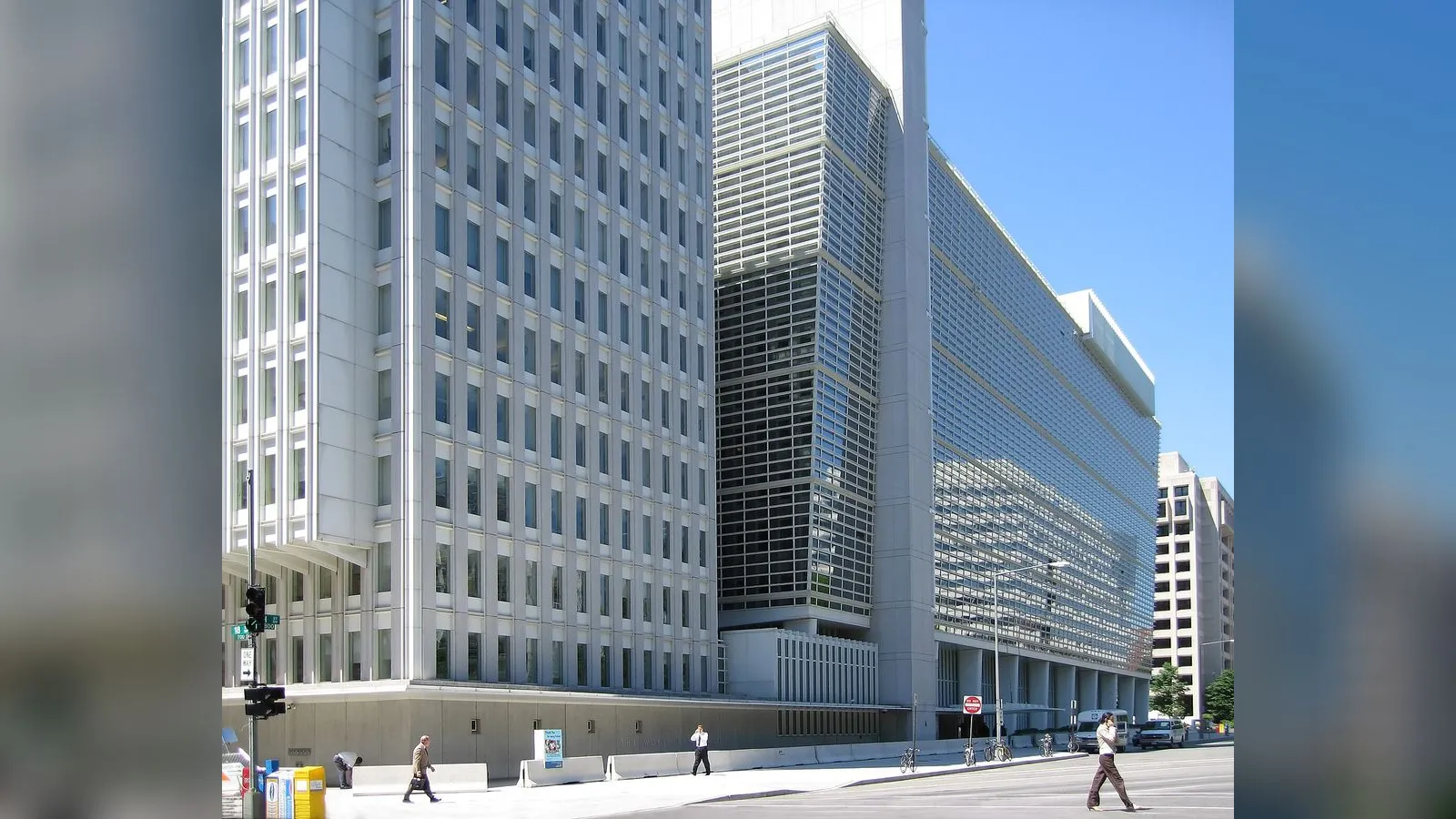
The World Bank has rated its main programme to raise Pakistan’s tax revenue as “moderately satisfactory” but with “substantial” risk, and has asked the government to fix a key lapse: the post of chief statistician has been vacant for weeks.
In a public disclosure, the bank rated the overall implementation of the $700 million Pakistan Public Resources for Inclusive Development, Multiphase Programmatic Approach (PRID-MPA), as moderately satisfactory, Dawn reported. One of its key aims is to raise Pakistan’s tax-to-GDP ratio to 15 percent in five years.
Why the risk is “substantial”
The bank cited high political and governance risk, and moderate to substantial risks in macroeconomic conditions, sector strategies, institutional capacity, fiduciary matters, and environmental and social standards.
Despite these risks, it noted strong progress on most disbursement-linked indicators, “reflecting continued momentum in the reform programme”.
The programme so far
- Board approval: December 19, 2025
- Effective: May 14
- Advance disbursement: $164.52 million on June 29
- Aims: support macroeconomic stability, improve service delivery, mobilise domestic revenue, improve the quality of spending and use data and digital tools for better services
The government is setting up the technical assistance part of the programme. The two sides are working to limit the effect of delays in approvals on meeting effectiveness conditions and implementing reforms.
The chief statistician lapse
The bank has asked the government to correct delays in constituting the governing council of the Pakistan Bureau of Statistics and appointing a chief statistician, a programme condition. The post should not stay vacant during the programme, and an existing official cannot simply be delegated the role, the bank said. The position has been vacant since September 24, 2026.
Connected Punjab
The bank also gave a moderate-to-substantial risk rating to its $70 million Connected Punjab Programme, citing political, governance, macroeconomic and fiduciary reasons, though it acknowledged “strong ownership at the highest levels of the Government of Punjab”. The programme runs until June 2031 and focuses on:
- Connectivity: broadband access
- Services: digital service delivery and readiness for artificial intelligence
- Payments: more cashless transactions
The Punjab Information Technology Board has secured provincial approval. Next steps include an AI oversight committee, a data governance framework, a personal data protection strategy and a cybersecurity strategy.
The wider picture
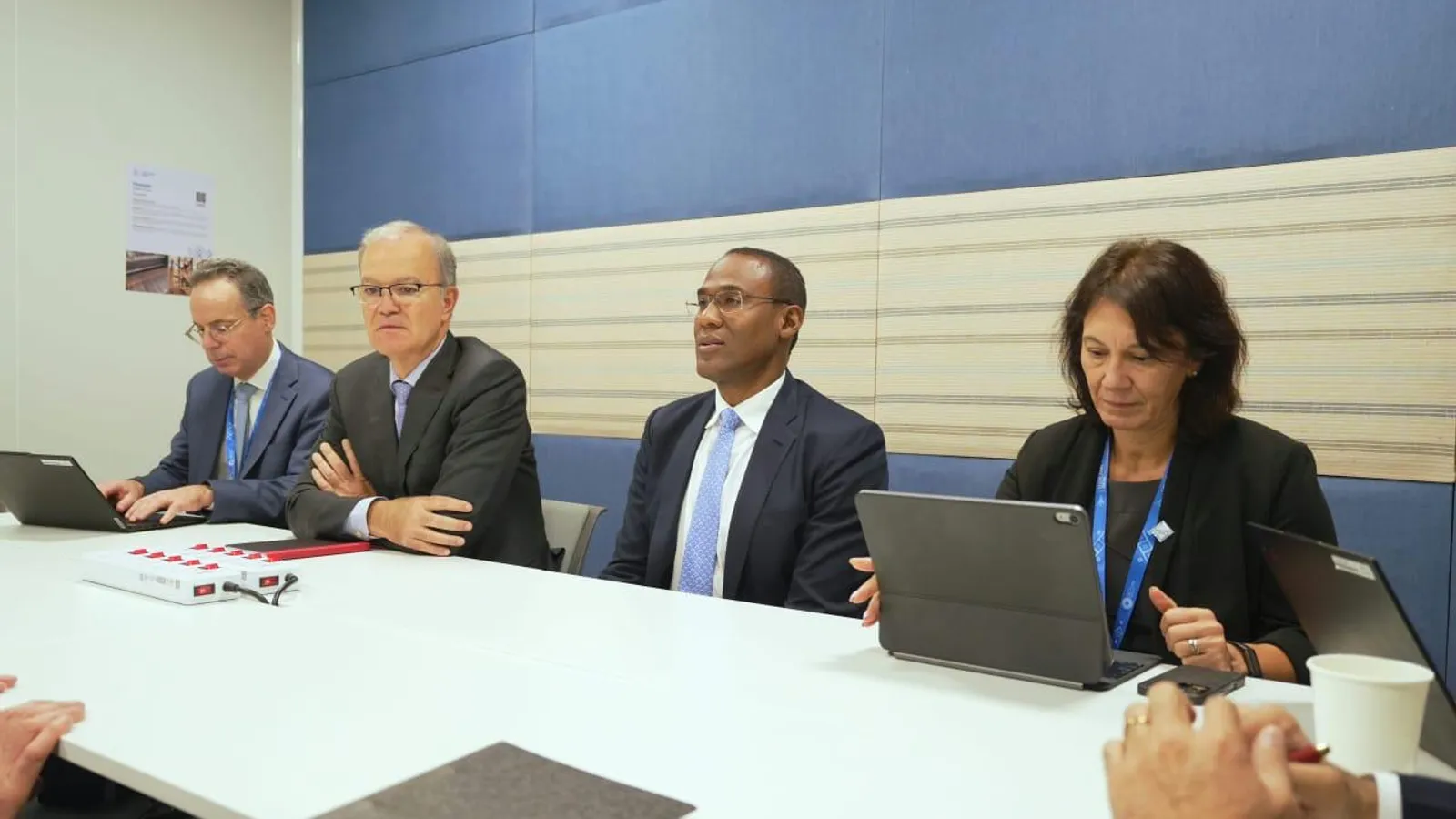
The ratings come in the same week that the IMF raised its inflation forecast for Pakistan to 9.9 percent while keeping growth at 3.5 percent. In Bangkok, Finance Minister Muhammad Aurangzeb told IMF Deputy Managing Director Nigel Clarke about Pakistan’s stronger reserves, three consecutive years of primary surpluses and a declining debt-to-GDP ratio.
Why it matters
Raising the tax-to-GDP ratio to 15 percent is central to Pakistan’s economic plans and its IMF programme. The World Bank sees progress, but warns that politics and governance could still derail it, and filling basic posts like chief statistician is the kind of step that keeps reforms on track. Read our report on the IMF’s new forecast for Pakistan.
This article draws on reporting by Dawn.


Comments
Comments are reviewed by our editors before they appear. Please keep them civil and on topic. See our terms.
No comments yet. Be the first to share your view.