
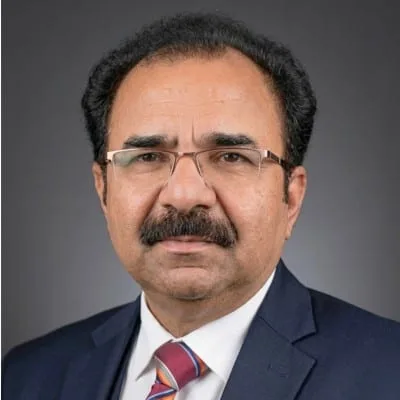
Pakistan hopes to sell five or six state-owned entities this fiscal year and raise more than $1 billion, Finance Minister Muhammad Aurangzeb said on Monday, adding that he expects the economy to grow by more than 4 percent despite high oil prices.
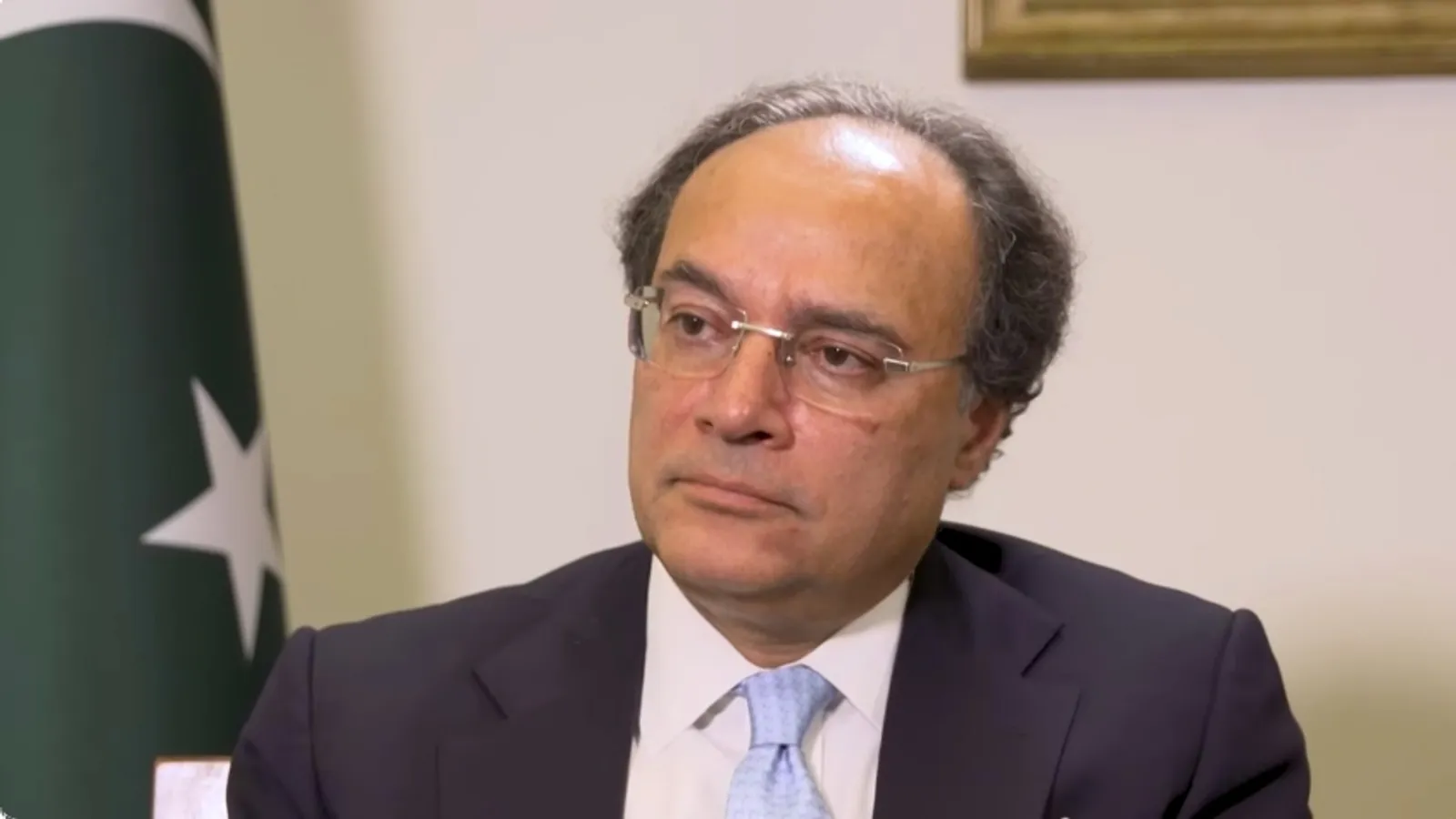
“I expect about five or six of these to go through during this fiscal year,” Aurangzeb told Reuters on the sidelines of the IMF and World Bank annual meetings in Bangkok, Dawn reported.
What is on the list
After the privatisation of Pakistan International Airlines last year, the government has about a dozen more entities in the pipeline, Aurangzeb said, including:
- Power distribution companies, owned by the state
- Airport operations, to be outsourced
“We are quite clear that we want the private sector to lead the country,” he said. “So our role is to help support, assist any way we can in terms of the ecosystem.”
Selling loss-making state firms is seen as a key test of Pakistan’s reform credibility with the IMF, with officials warning that failure could put renewed pressure on public finances.
The economy has regained some footing after a period of severe turmoil, supported by a $7 billion, 37-month IMF programme signed in 2024 that includes tough steps such as taxing farm income.
Growth “north of 4pc”
Aurangzeb said Pakistan had bought enough fuel to avoid any shortages despite the Middle East war, and that key sectors such as agriculture were holding up. “So I’m still quite clear that we should clock north of 4pc,” he said. On inflation, “we are keeping a very close eye because it does have a knock-on impact in terms of the commodity prices”.
Money from abroad
- IMF: Pakistan reached a staff-level agreement last week that could unlock about $1.21 billion under its $7 billion loan programme and a climate facility
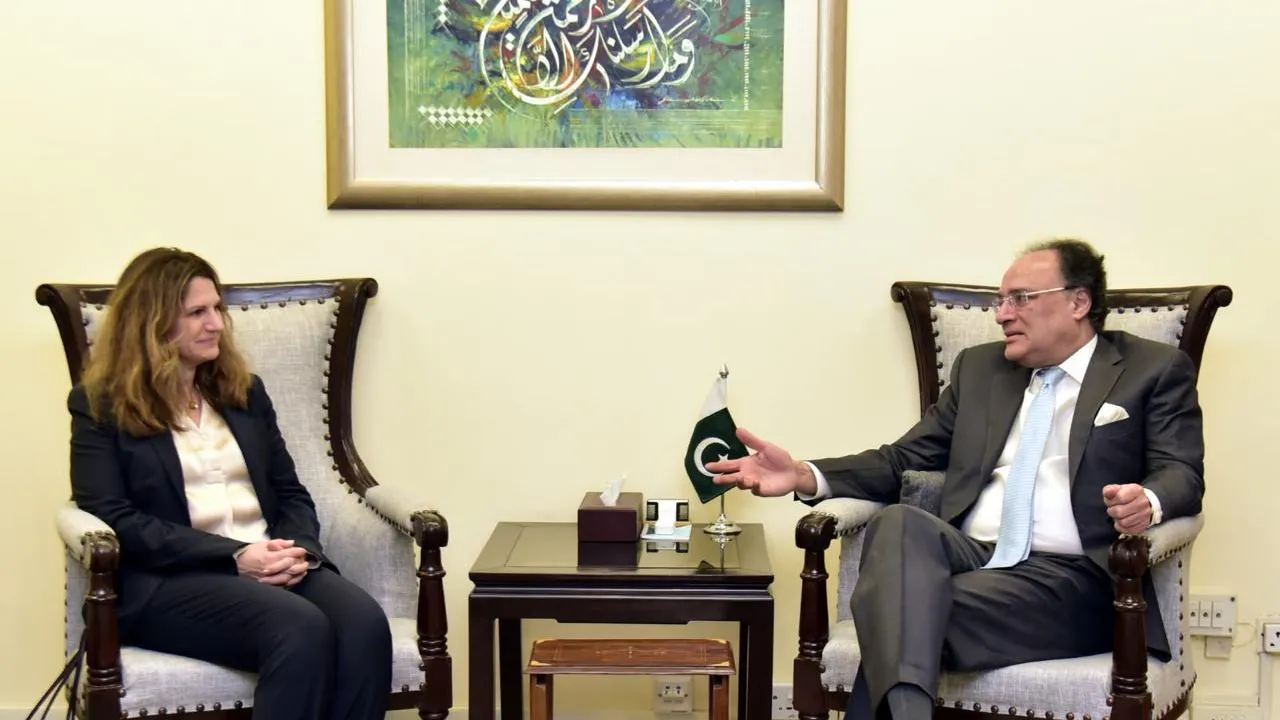
- United States: talks continue on a proposed $10 billion exchange stabilisation facility, though Aurangzeb gave no time frame. “If it comes through, this will be a great help for us,” he said, adding that its absence would not affect Pakistan’s access to markets
- Other US lenders: separate talks are under way with the Export-Import Bank of the United States and the US International Development Finance Corporation
A leading voice in Bangkok
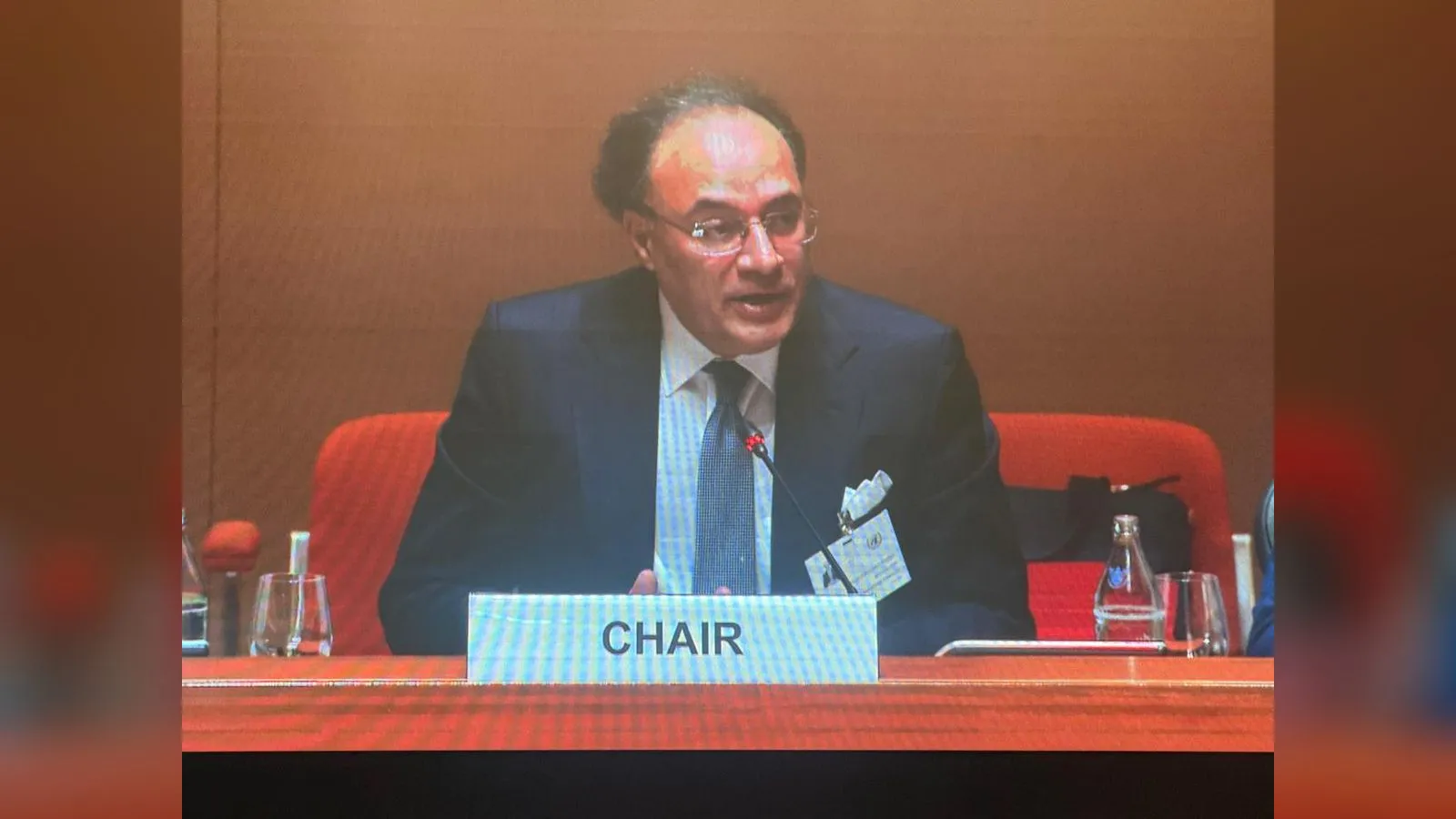
Aurangzeb also took over the chair of a borrowers’ platform at the meetings, the Finance Division said, using it to argue that debt should be an instrument for development.
The bigger picture
Pakistan’s economy is seen as highly exposed to a long Middle East conflict, because of its reliance on Gulf energy, remittances and financing. The US-Israeli war with Iran, now in its eighth month, is dominating the Bangkok meetings, the first held outside Washington in three years.
Why it matters
Selling state firms that lose money each year would free up public funds for schools, hospitals and relief, and show lenders that reforms are real. Hitting growth above 4 percent while oil stays expensive would be a strong sign that the recovery is holding. Read our report on the IMF staff-level agreement.
This article draws on reporting by Dawn, Reuters and the Finance Division.
Comments
Comments are reviewed by our editors before they appear. Please keep them civil and on topic. See our terms.
No comments yet. Be the first to share your view.