

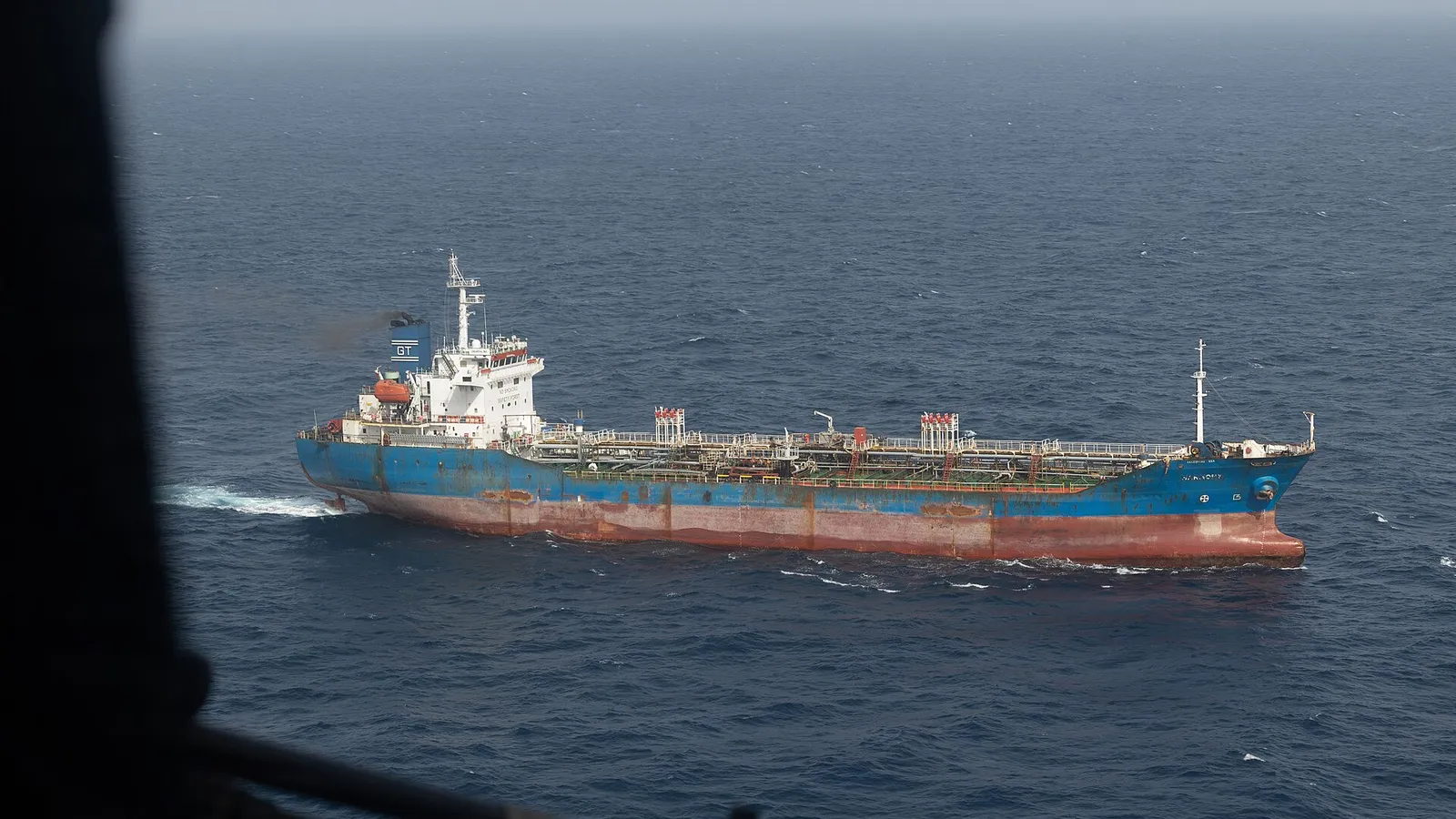
Oil prices eased on Friday but were heading for a weekly gain, as uncertainty over Middle East supplies and a larger-than-expected fall in US crude stocks kept markets on edge.
Brent crude futures fell 71 cents, or 0.67 percent, to $105.21 a barrel, while US West Texas Intermediate fell 77 cents to $97.20, The Express Tribune reported, citing Reuters. For the week so far, Brent was up 0.44 percent and WTI 5.81 percent. WTI had risen more than 3 percent on Thursday after a big US stock draw caused by hurricane shut-ins.
Hormuz flows sharply down
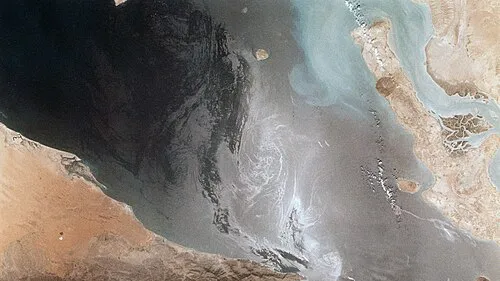
Ship-tracking firm Kpler said total clearances through the Strait of Hormuz averaged 11.62 million barrels a day in the seven days to October 13, about 68 percent of a 17.15 million barrel baseline.
“Intensified Iranian attacks drove Gulf crude flows sharply lower,” Kpler said, adding that it expected a slower and more uneven recovery in Hormuz without a comprehensive political deal.
Attacks around the strait have surged over the past 10 days, with Iran saying it is stepping up strikes in response to the US blockade of its ports and tougher sanctions introduced last month.
“Uncertainty in the Middle East and concerns over the sustainability of oil flows through the Strait of Hormuz has the market pricing in a significant risk premium,” ING analysts wrote. They said some kind of US-Iran agreement was needed to give the market confidence.
Steps to cool prices
- IEA: the International Energy Agency agreed on Thursday to release more than 20 million barrels of diesel, along with any oil left from a record release of emergency reserves pledged in March
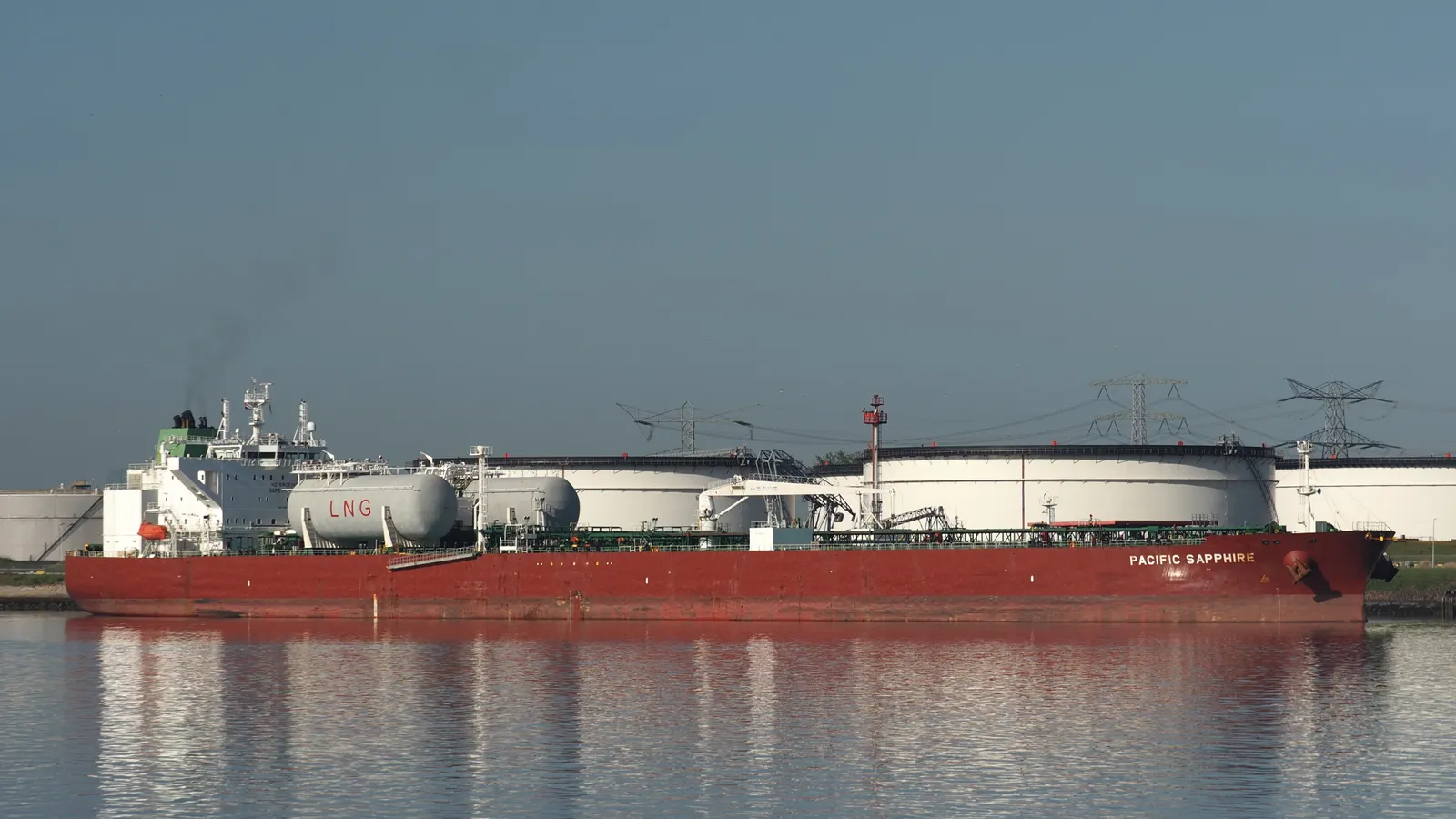
- Shadow fleet: the Trump administration is considering lifting sanctions on some “shadow fleet” vessels that have carried oil from Russia, Iran and Venezuela, to bring down record freight rates, a US official said
- Russian diesel: this follows Trump’s temporary lifting of sanctions on Russian diesel, which drew criticism from Ukraine, European countries and some Republicans
Haitong Futures said prices rose overnight in a sign that “investors were dissatisfied with these measures”. “What would really cool the oil market is an easing of tensions in the Middle East,” it said.
The Yemen front
Supply concerns have also been fuelled by the escalating war between Saudi Arabia and Yemen’s Houthis. On Thursday, the Houthis fired missiles at the presidential palace complex in Aden, killing two guards, while the Saudi-led coalition detailed dozens of attacks on Saudi infrastructure.
What it means for Pakistan
Pakistan’s electricity consumers will pay Rs2.56 more per unit in November because of expensive fuel used for power generation in September, the Power Division said this week, with international fuel prices pushed up by the Middle East conflict and the closure of the Strait of Hormuz.
Why it matters
With a third of normal Hormuz flows missing, oil above $100 is here until there is a political deal. Every week of high prices feeds into Pakistan’s fuel bills, electricity tariffs and inflation. Read our reports on November’s electricity bill increase and on the ships sunk near Hormuz.
This article draws on reporting by The Express Tribune, Reuters and Dawn.

Comments
Comments are reviewed by our editors before they appear. Please keep them civil and on topic. See our terms.
No comments yet. Be the first to share your view.