
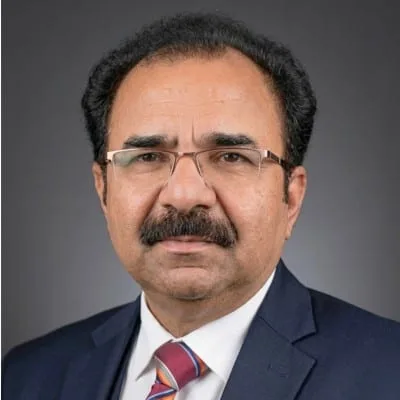
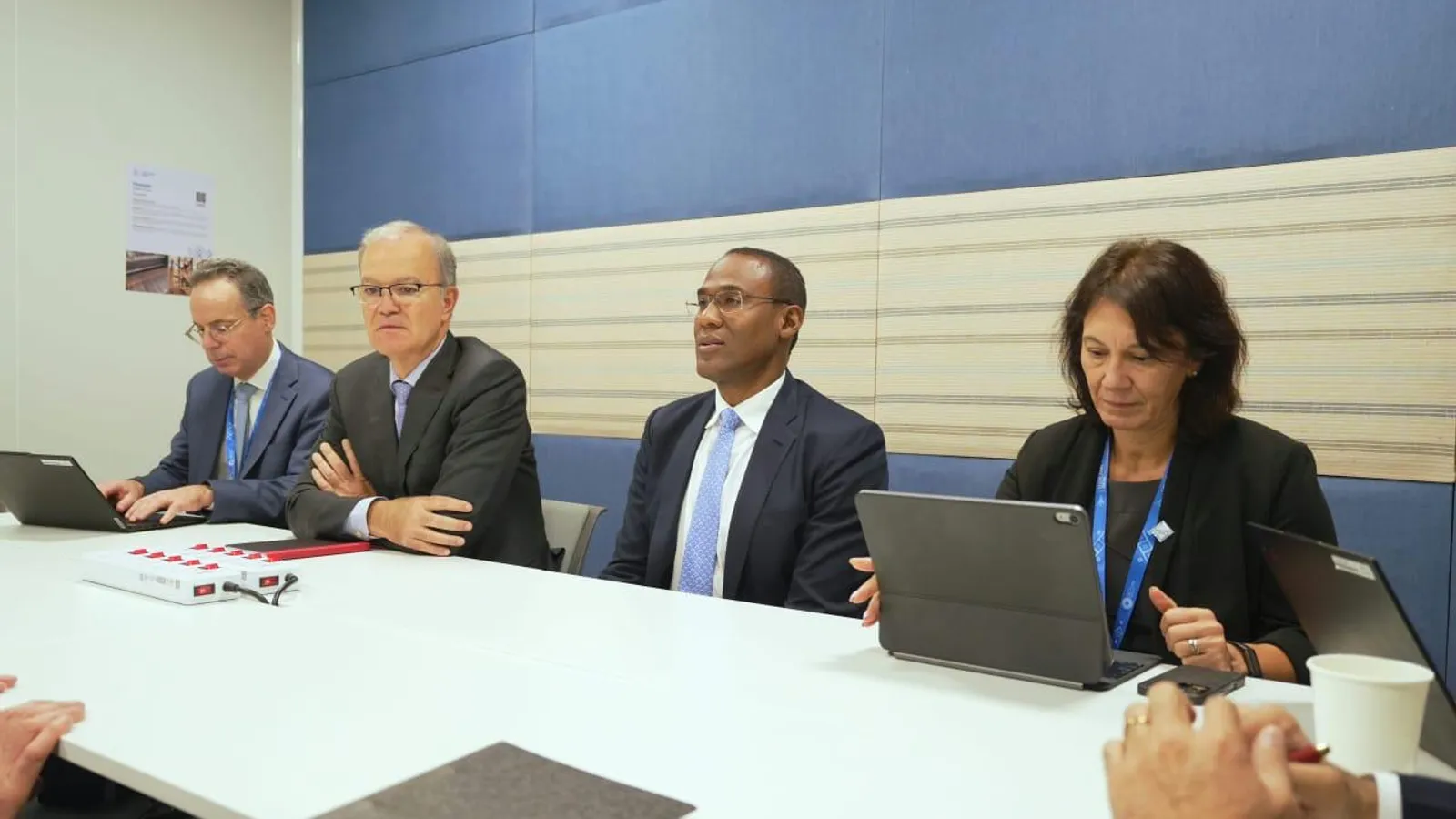
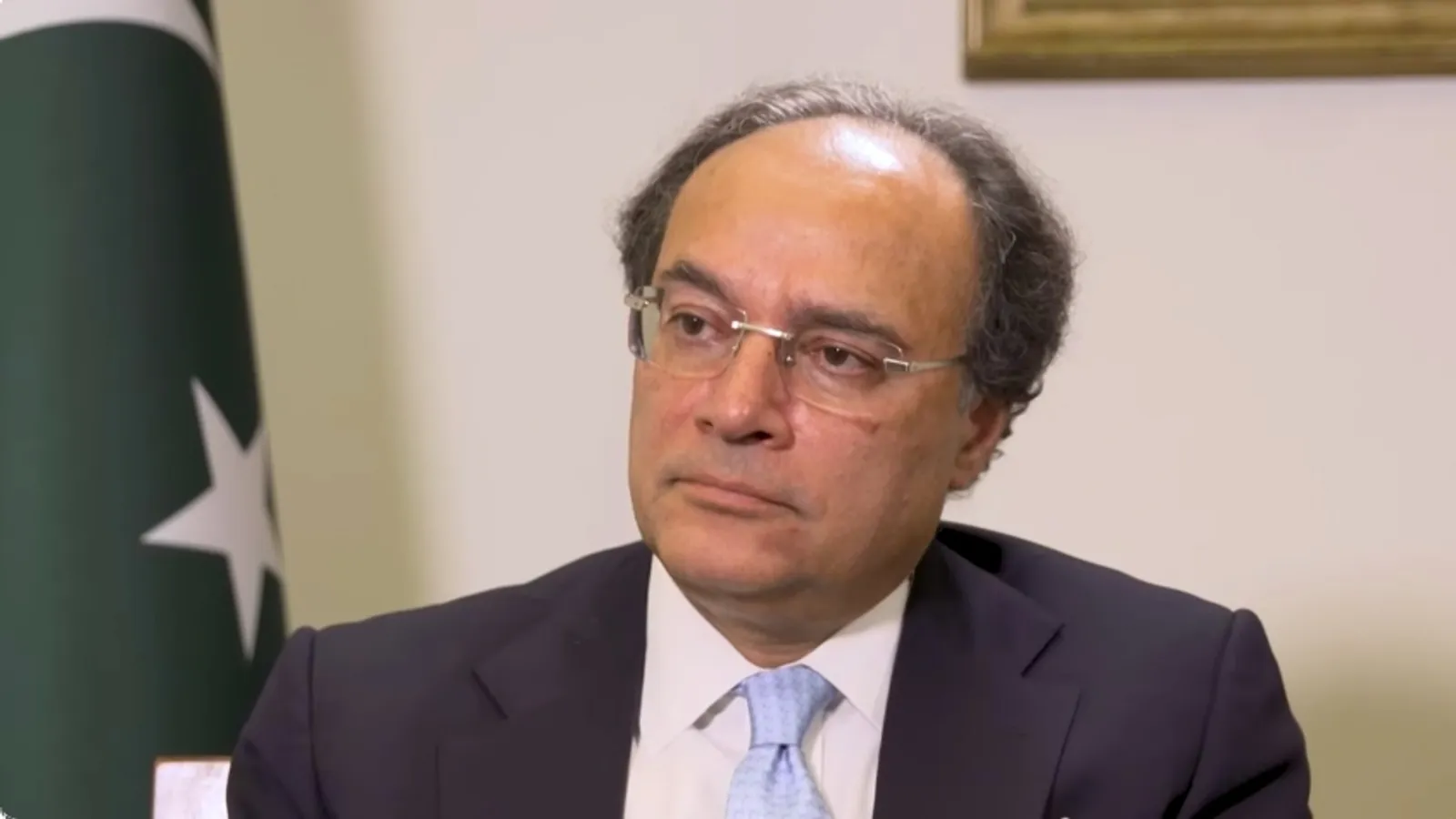
Finance Minister Muhammad Aurangzeb has outlined Pakistan’s targeted fuel subsidies to the International Monetary Fund’s Deputy Managing Director, Nigel Clarke, saying they are meant “to protect vulnerable groups and preserve social cohesion”.
The two met on the sidelines of the World Bank Group-IMF annual meetings in Bangkok on Wednesday, the finance ministry said, Dawn reported.
The subsidy scheme
The government has rolled out a fuel subsidy scheme for users of motorcycles, rickshaws and vehicles up to 800cc as global oil prices have risen. Days after it was announced on September 13, Prime Minister Shehbaz Sharif ordered that motorcycles, rickshaws and Qingqi rickshaws up to 20 years old also be included.
On Tuesday, the IMF urged countries to offer narrow, targeted subsidies in response to the energy crunch caused by the war on Iran. The Fund has earlier objected to Pakistan’s scheme, which gives Rs2,000 a month to motorcyclists and Rs3,000 to small car owners, calling it broad and costly, The Express Tribune has reported. The government has also been passing higher fuel prices on to consumers in addition to charging heavy taxes, the newspaper said.
What Aurangzeb told the IMF
According to the finance ministry, the minister:
- Thanked the Fund for its partnership and stressed “strong political ownership and sustained implementation of reforms”
- Highlighted Pakistan’s return to international capital markets and strong investor participation
- Pointed to stronger reserves, three consecutive years of primary surpluses and a declining debt-to-GDP ratio
He “noted Clarke’s emphasis on adequate reserve buffers and stronger revenues to support investment in human capital, infrastructure and public services”. They also discussed sustainable growth, policy consistency and protecting health and education spending alongside fiscal discipline.
The IMF programme
Pakistan is in a $7 billion Extended Fund Facility and a $1.4 billion Resilience and Sustainability Facility. A staff-level agreement reached earlier this month after the fourth review of the EFF and the third review of the RSF qualifies Pakistan to draw about $1.2 billion, subject to the IMF board.
Talks with the US
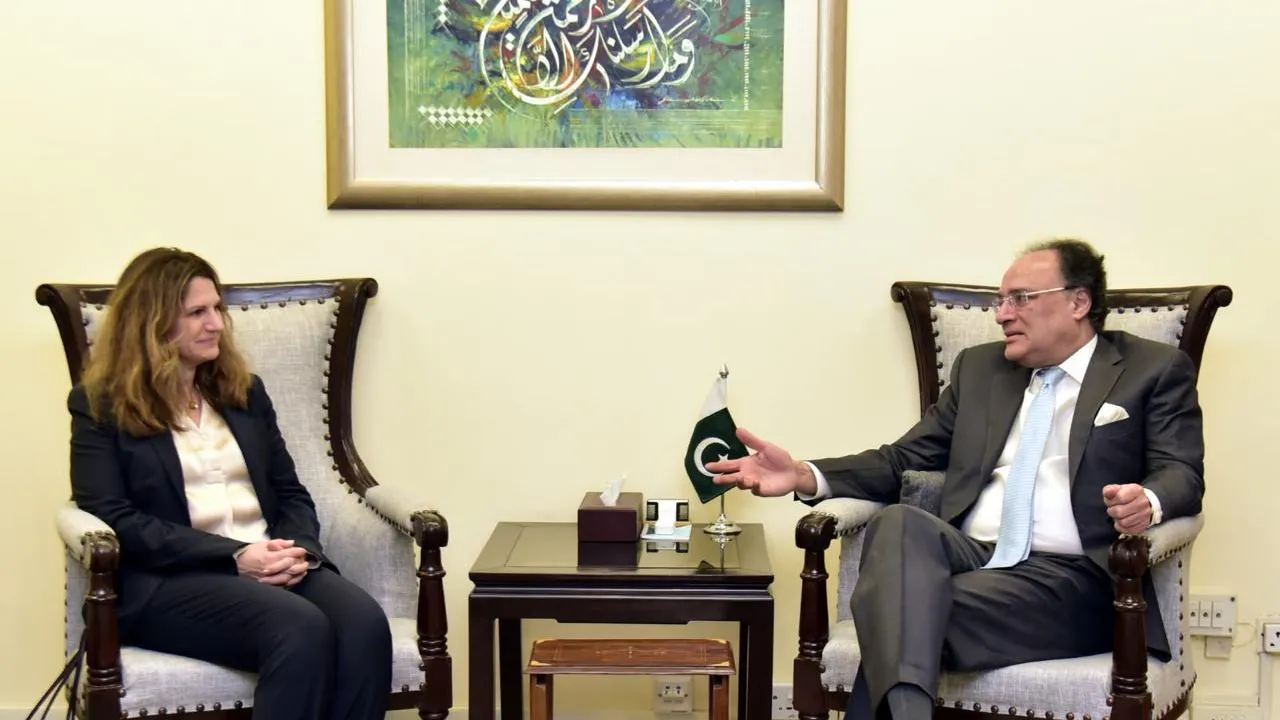
In a separate meeting, Aurangzeb met Ambassador Hugo Yon of the US State Department. They discussed:
- Trade: progress towards a trade framework agreement, and energy diversification through more imports from the United States
- Fuel: steps to maintain fuel supplies and support vulnerable consumers
- Finance: anti-money laundering and counter-terror financing arrangements, Financial Action Task Force follow-up, and investment through the US Development Finance Corporation and Exim Bank
- Minerals: Reko Diq, critical minerals, project security and private investment
- Aviation and digital: Boeing aircraft acquisition and financing, aviation clearances, digital asset regulation, and possible tokenisation of remittances and Eurobonds
Why it matters
The IMF has raised its inflation forecast for Pakistan to 9.9 percent, and the government must convince the Fund that its fuel relief is narrow enough to fit the programme. At the same time, closer US ties on minerals and trade could bring new investment. Read our reports on the IMF’s new forecast and on the staff-level agreement.
This article draws on reporting by Dawn and the Finance Division.
Comments
Comments are reviewed by our editors before they appear. Please keep them civil and on topic. See our terms.
No comments yet. Be the first to share your view.