

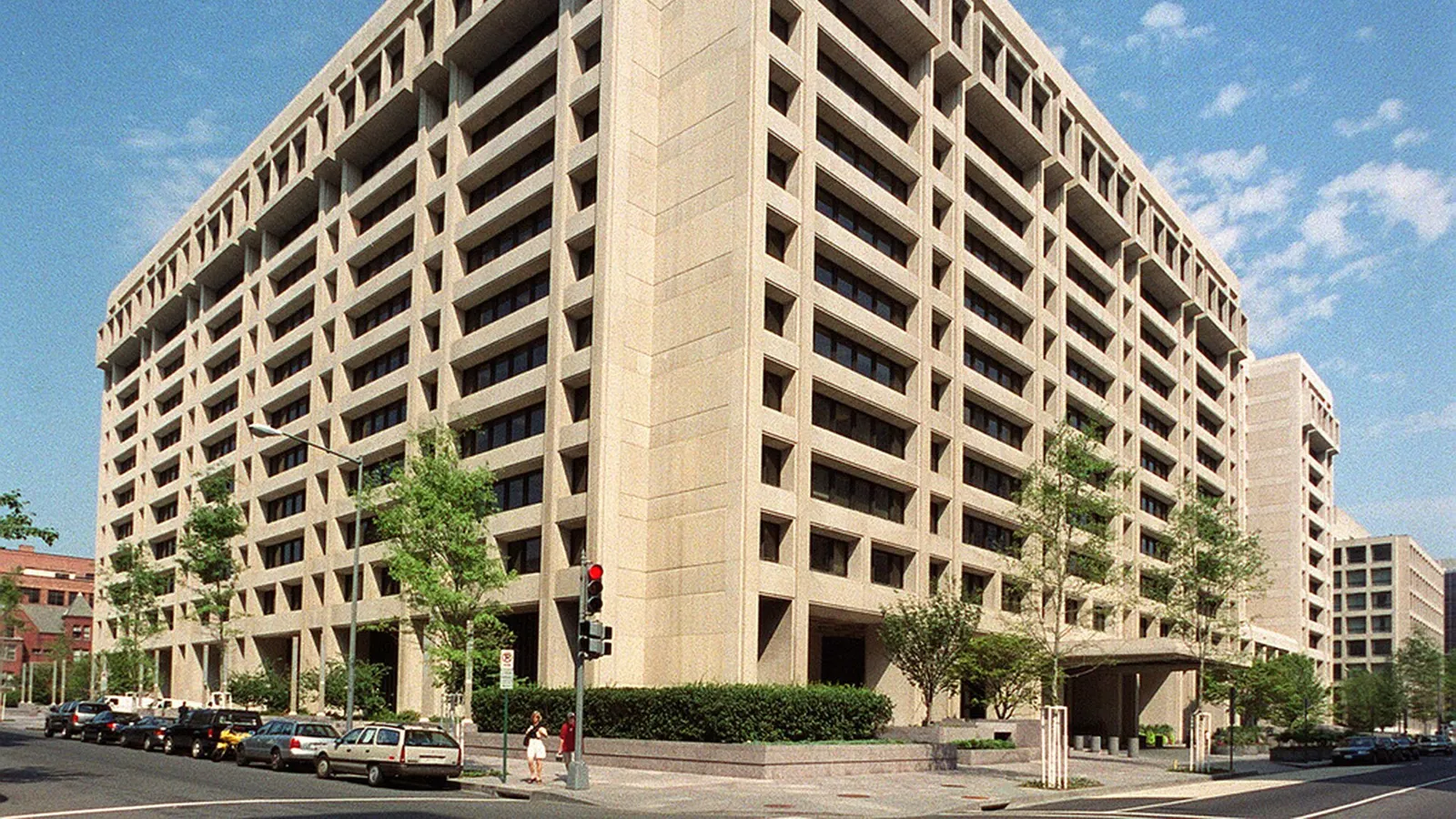
India is expected to become the world’s fourth-largest economy in 2027, overtaking Japan, according to International Monetary Fund projections released on Thursday. On the same day, the Fund’s regional chief warned that energy-rich Gulf economies, hit by the war that began in Iran and has spread to Saudi Arabia and Yemen, will not return to their pre-war path soon.
India moves up, Japan slips
The IMF said Japan will remain the fourth-largest country by nominal gross domestic product this year. In 2027, India is set to take its place, with GDP reaching $4.52 trillion. Japan is projected to slip to sixth place that year, behind both India and the United Kingdom. The United States is the world’s largest economy, followed by China and Germany.
India has grown strongly in recent years despite global headwinds, and the IMF this week raised its forecast for 2026 growth to 7.0 per cent. Releasing the Fund’s regional economic outlook for Asia-Pacific, Asia Director Krishna Srinivasan said India entered the current energy price shock from a strong position. “India entered this with very strong fundamentals,” he said. “Growth was strong, fiscal prudence was pretty much enshrined, they had lots of reserves and so on. And so in that context, they have responded well to the shock.”
Japan’s picture is weaker. Its growth is projected to slow to 0.7 per cent in 2026. The country has been hit hard by higher energy prices and wider inflation that has led the Bank of Japan to raise interest rates to their highest level in three decades. Prices have risen steadily since the spring of 2022 after years of deflation, and the energy surge from the Iran war has added to the pressure. The yen, which fell to its lowest level in 40 years against the dollar over the summer, is pushing up the cost of imports, and an ageing population is weighing on activity. Srinivasan said Japan was benefiting from the boom in artificial intelligence investment, but not as much as its neighbours.
Tokyo’s benchmark Nikkei index fell by nearly five per cent on Thursday, dragged down by a plunge in tech stocks amid doubts about the profitability of the AI sector, AFP reported.
A long shadow over the Gulf
In a separate briefing, IMF regional director Jihad Azour said energy-rich Middle Eastern economies are expected to bounce back, but not in the medium term. “We will not go back to the pre-war trajectory in the medium term because this shock will have a scarring impact on various sectors and also will disrupt a certain number of infrastructure, and will require additional spending in order to increase resilience,” he told reporters.
The IMF on Tuesday released projections showing that the Middle East and Central Asia region, directly exposed to the Iran war, is expected to contract by 0.3 per cent in 2026. Saudi Arabia is among the worst affected, with its economy projected to shrink 3.3 per cent. That points to a rare recession for the kingdom, which has long been cushioned by strong energy exports.
On Wednesday, IMF chief Kristalina Georgieva warned that continuing attacks on Saudi Arabia could affect people “everywhere”. A violent confrontation between the Saudi-led coalition and Yemen’s Houthis has sharply escalated in recent days, with missile strikes on airports and energy facilities and the headquarters of the state oil giant Aramco. Officials and experts met in Bangkok this week to discuss headwinds for the global economy, including stubbornly high energy costs and questions about the sustainability of the AI boom.
What it means for Pakistan
Pakistan is an Asian economy exposed to the same energy shock. The IMF has also released its own figures for Pakistan this week, projecting growth of 3.5 per cent and inflation of 9.9 per cent in FY27, according to Dawn. Read our report on the IMF raising Pakistan’s inflation forecast to 9.9 per cent.
Why it matters
The forecasts show how unevenly the energy shock from the Iran war is spreading. Importers with strong reserves and fiscal discipline, such as India in the IMF’s telling, are coping better than those with ageing populations and weak currencies, and the Gulf producers that normally gain from high prices face a contraction instead. For Pakistan, which is exposed to the same shock, the Fund’s warning of a lasting scar on the neighbouring Gulf region is a reminder that recovery may be slow.
This article draws on reporting by Dawn and AFP.

Comments
Comments are reviewed by our editors before they appear. Please keep them civil and on topic. See our terms.
No comments yet. Be the first to share your view.