
The ATP has unveiled plans to change its ranking system, put more focus on its Masters 1000 events and sharply increase bonus payments for players from 2028, as top players complain of burnout.
The changes were set out on Thursday, with ATP chairman Andrea Gaudenzi outlining financial, ranking and scheduling reforms in an open letter, The Express Tribune reported, citing AFP.
How rankings work now
Players currently take their best results from 19 regular-season tournaments, plus the ATP Finals if they qualify, to form their ranking. They can replace up to three of their results from the eight mandatory Masters 1000 events with better results from smaller ATP 500 or 250 tournaments.
“Today, players can replace up to three of their weaker results from ATP Masters 1000 events with better results from ATP 500 or ATP 250 events later in the season,” the ATP said in a question-and-answer post on its website. “That can create pressure to add tournaments after an early loss to make up the points.”
The proposed changes
- Masters count in full: results from all Masters 1000 events would count towards a player’s ranking, whatever the result, so players can plan their schedules around them “rather than chasing points and risking overplaying”
- Deeper runs rewarded: the ATP is looking at weighting ranking points more favourably for players who go deep into tournaments
- Smaller events capped: it is reviewing a limit on how many ATP 250 results count for top players
- Doubles: draws would be cut and prize money moved to the early rounds and qualifying of singles events, despite fierce opposition from doubles specialists
More money for players
- Year-end bonus: players in the top 250 would share a $25 million rankings bonus
- Masters bonus pool: for top-ranked players, rising from $21.5 million to $50 million by 2028
- Total investment: more than $100 million a year in player compensation and support from 2028, Gaudenzi said
“The demands of the season fall hardest on the players who go deepest at the biggest events,” the ATP said. “Many players, including those in the mid-rankings, find it hard to protect time for recovery when the system rewards them for adding one more tournament.”
Burnout at the top
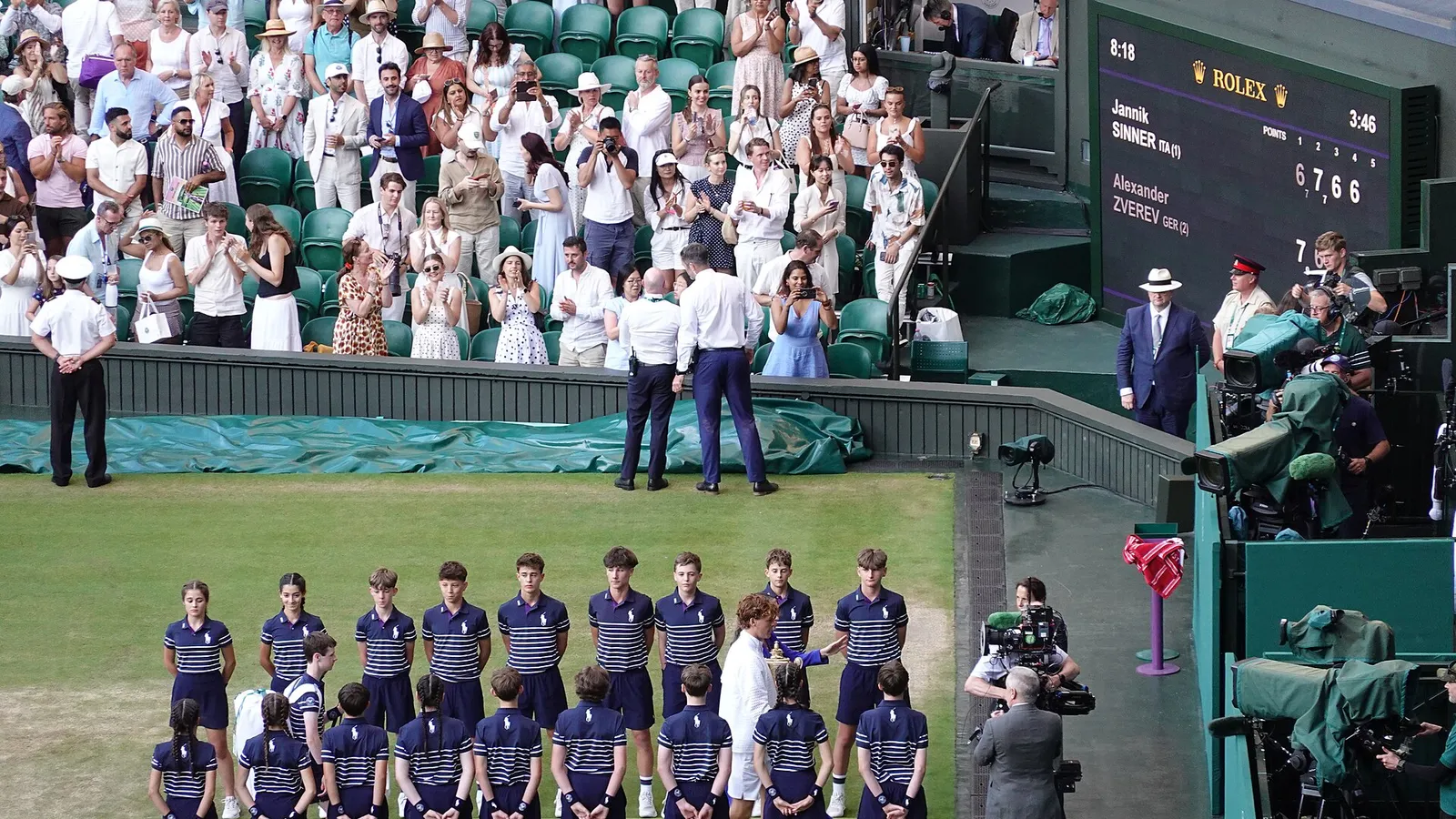
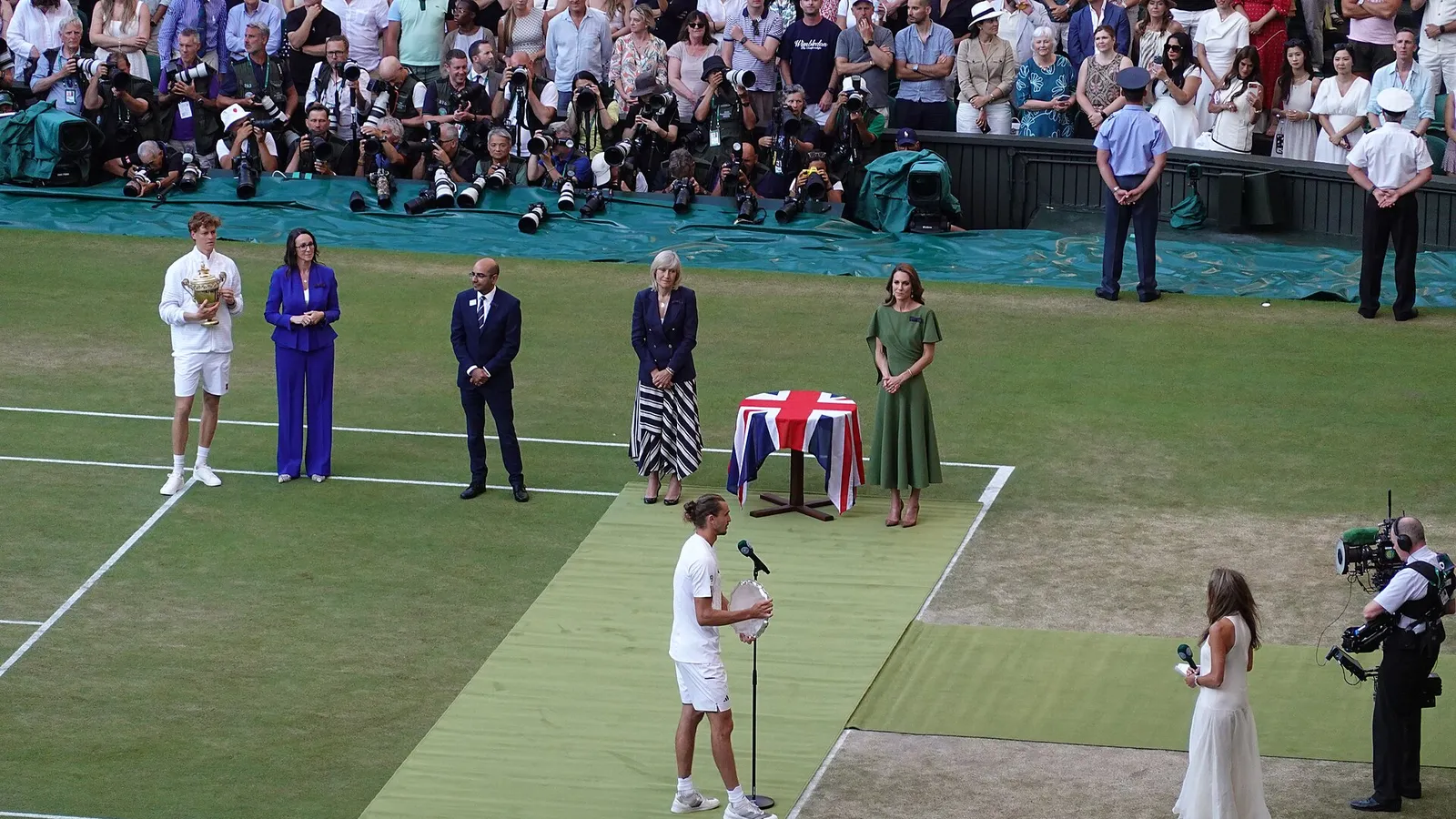
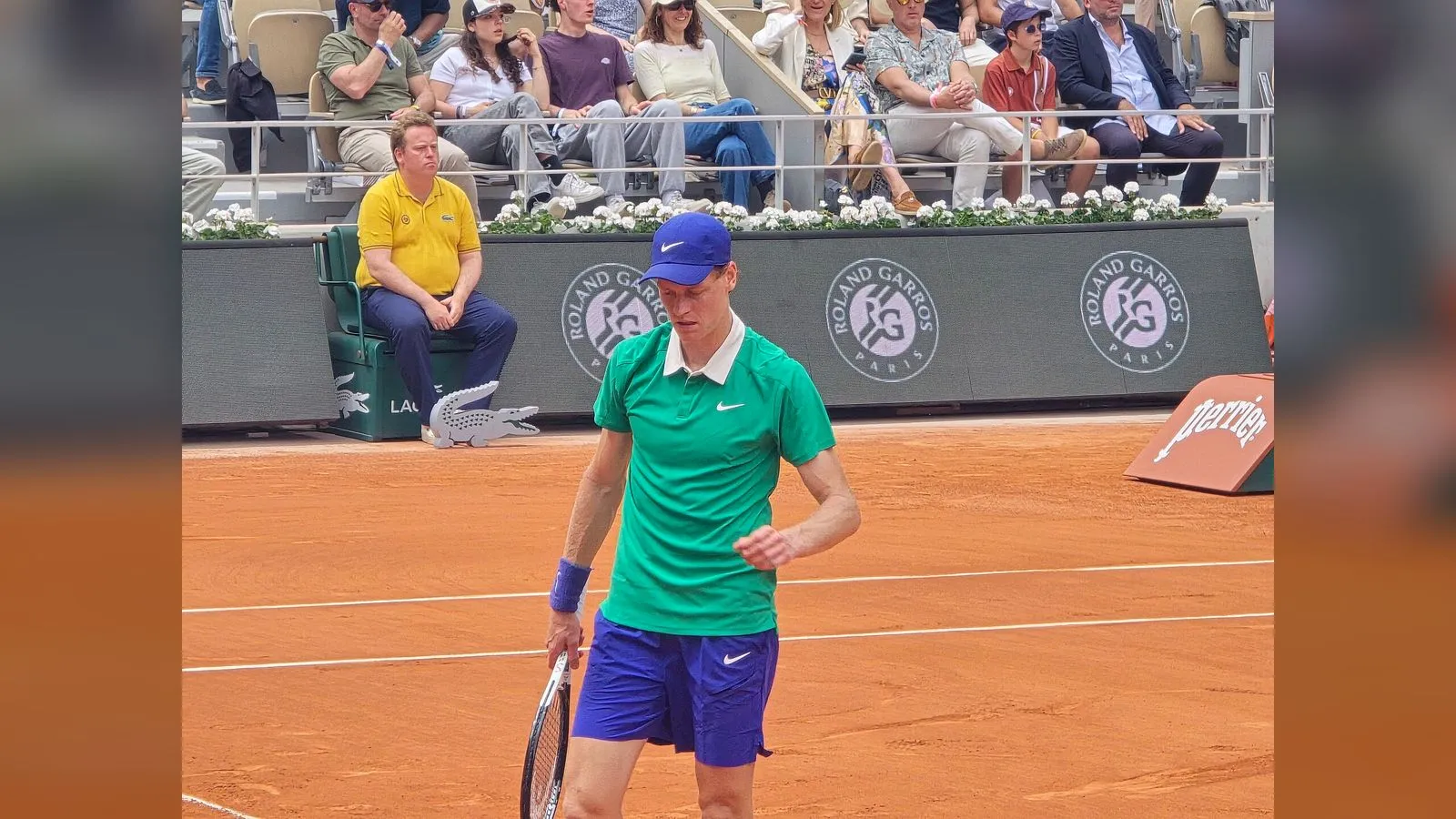
Top players have repeatedly complained of exhaustion, and several big names have missed major events, especially late in the season. World number one Jannik Sinner has not played since winning Wimbledon in July because of a knee injury, while seven-time Grand Slam champion Carlos Alcaraz was sidelined for large parts of 2026.
Sinner was among players who protested this year about what they saw as low prize money at the French Open and Wimbledon. The ATP does not run the Grand Slams, but it has announced plans for a large increase in bonus payments and pension contributions from the tour.
Why it matters
If the reforms go through, the best players would play fewer tournaments for more money, which could keep stars like Sinner and Alcaraz fit for the biggest events fans want to watch. Read our reports on Zverev’s run in Shanghai and on Alcaraz’s defeat to Bergs.
This article draws on reporting by The Express Tribune and AFP.
Comments
Comments are reviewed by our editors before they appear. Please keep them civil and on topic. See our terms.
No comments yet. Be the first to share your view.