
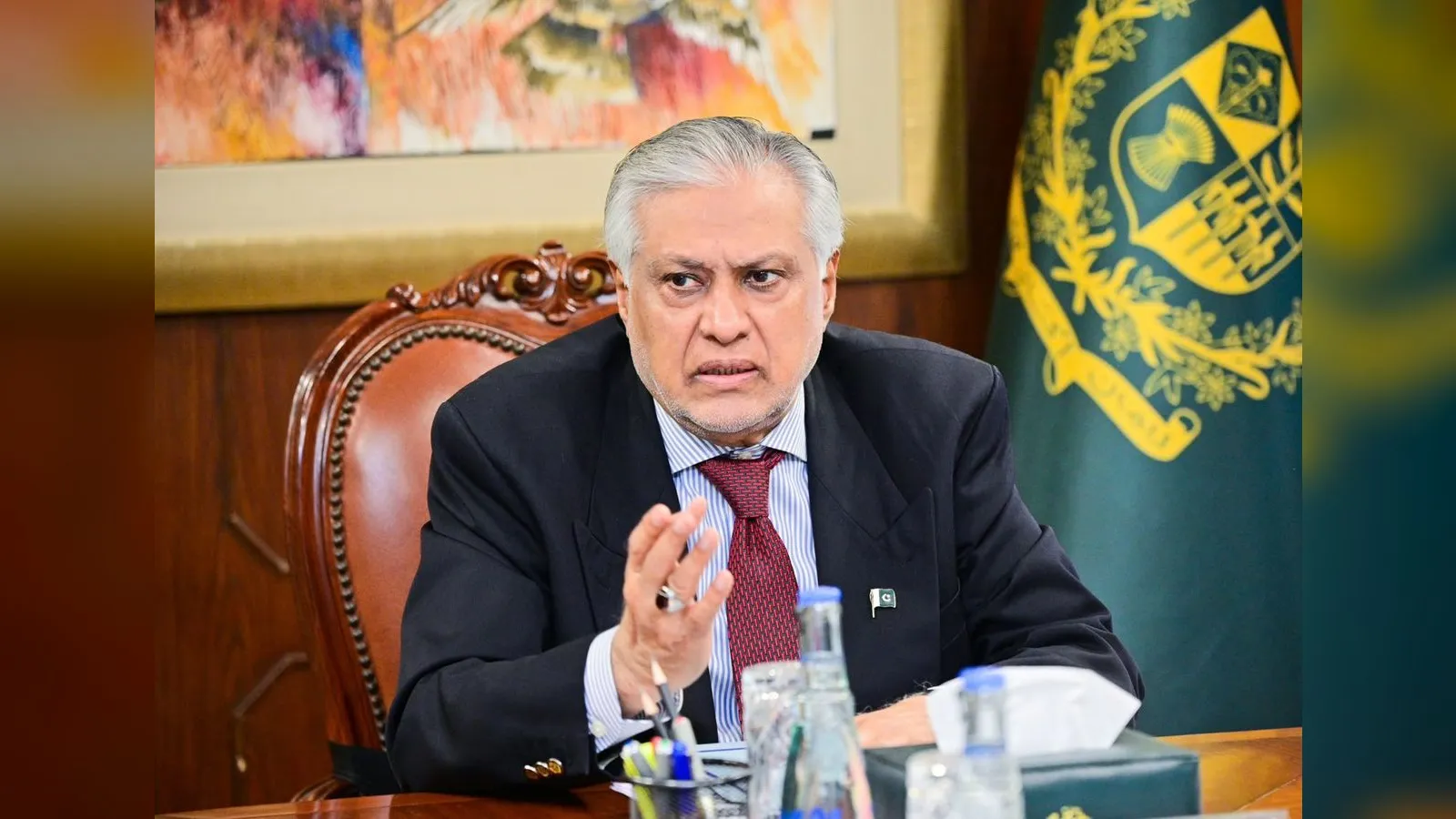
Deputy Prime Minister and Foreign Minister Ishaq Dar has ordered “strict action against hoarding, artificial shortages and overpricing of essential commodities”, as a cabinet committee reviewed stocks, supplies and prices on Friday.
Dar was told that “adequate stocks were available to meet domestic demand”, with “no shortages anticipated” and prices stabilising, the Foreign Office said, The Express Tribune reported. He directed all authorities to “monitor supply chains and commodity prices to facilitate domestic consumers”, in line with the prime minister’s directives.
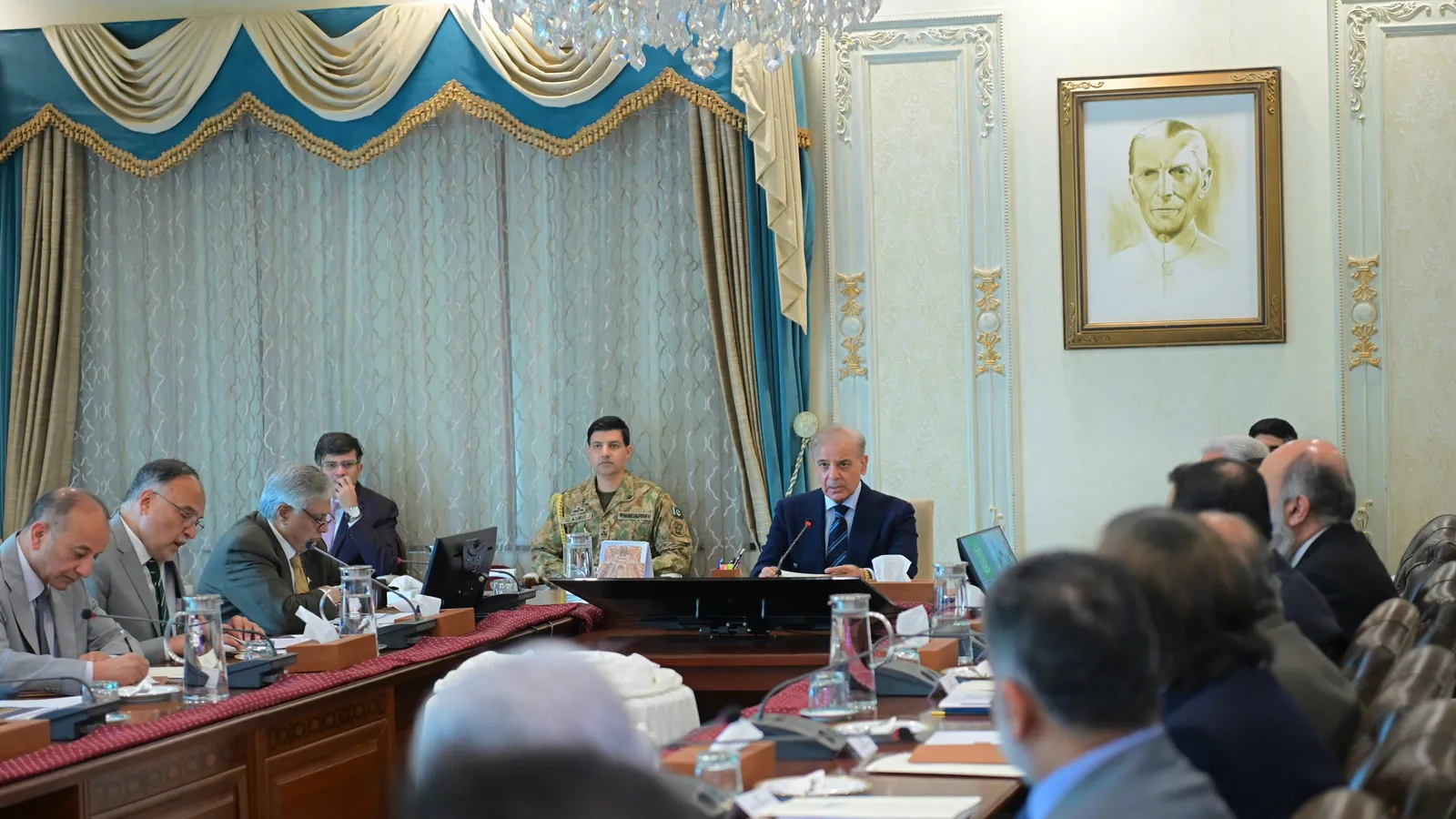
The meeting was attended by the ministers for national food security and climate change, Special Assistant to the Prime Minister Tariq Bajwa, the commerce secretary and senior federal and provincial officials.
Prices still biting
- Inflation: year-on-year consumer inflation slowed to 10.3 percent in September from 11.1 percent in August, but monthly inflation rose 1.3 percent and the first-quarter average was 10.2 percent
- Weekly prices: the Sensitive Price Indicator was up 11.97 percent year-on-year in the week to October 8
- Flour: a 20kg bag rose 5.69 percent in a week to Rs2,851, against Rs2,150 a year earlier
- Onions: prices more than doubled over the year
- Petrol: up 47.52 percent year-on-year
The wheat squeeze
Wheat and flour markets have faced rising prices and supply disruptions despite a substantial harvest, with concerns over hoarding, weak procurement and restrictions on trade between provinces, The Express Tribune reported.
In July, Punjab sought one million tonnes of wheat from federal reserves after buying only 480,000 tonnes of its planned three million tonnes from farmers.
Khyber Pakhtunkhwa, which needs about 5.2 million tonnes of wheat a year but grows only 1.2 million, has been hit hardest by restrictions on supplies from Punjab. Flour millers say the curbs forced mills to close and pushed up prices.
Peshawar feels it most
In Peshawar, a 20kg bag of coarse flour reached Rs3,300 in early October, while fine flour sold for Rs3,120 and an 80kg bag of coarse flour cost Rs13,200, as subsidised flour largely disappeared from the open market. Tandoors raised the price of a 50-gramme roti by Rs10 to Rs30, and some stopped selling single rotis.
The provincial Food Department said it had distributed more than 417,000 bags of flour at official rates in a week and was releasing 3,000 tonnes of government wheat from reserves to flour mills.
The wider picture
The IMF has raised its inflation forecast for Pakistan this fiscal year to 9.9 percent from 8.4 percent. Earlier this week, Prime Minister Shehbaz Sharif said wheat was available in abundance and warned that “no leniency will be shown to those hoarding wheat”.
Why it matters
The government says there is enough food in the country, yet families in Peshawar are paying Rs30 for a single roti. Whether Dar’s orders lead to real action against hoarders will decide whether prices on the street start to match the stock figures. Read our report on the prime minister’s warning to wheat hoarders.
This article draws on reporting by The Express Tribune and the Foreign Office.
Comments
Comments are reviewed by our editors before they appear. Please keep them civil and on topic. See our terms.
No comments yet. Be the first to share your view.