

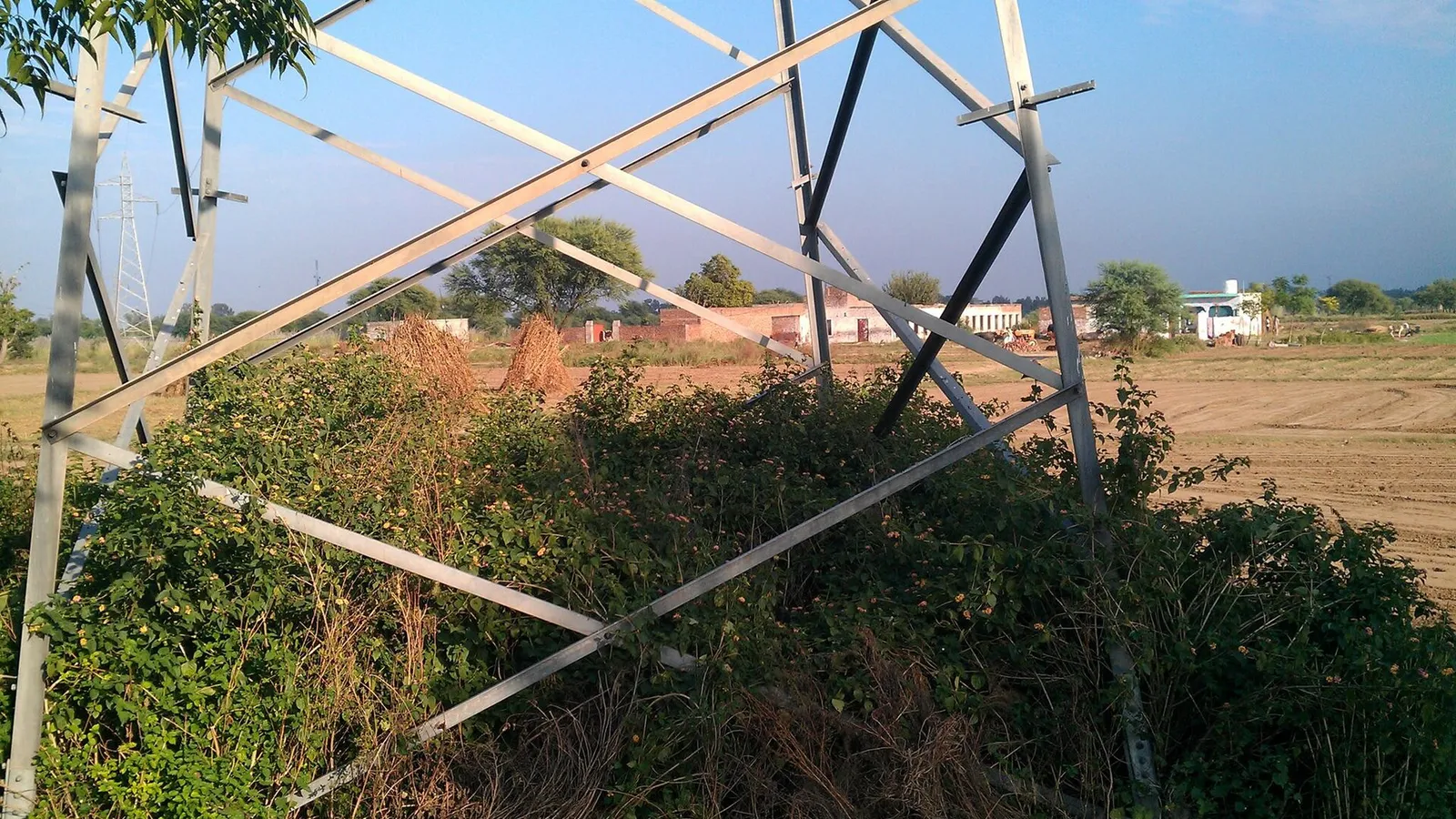
Electricity consumers will pay Rs2.56 more per unit in their November bills because of the fuel cost adjustment for September, the Power Division said, blaming the use of expensive fuel for power generation.
The increase will bring in about Rs32.7 billion, Dawn and The Express Tribune reported. The September adjustment is Rs1.45 per unit higher than August’s Rs1.11.
“A bigger hike averted”
The Power Division said the rise could have been Rs5 to Rs6 per unit, but targeted loadshedding and other steps kept it down.
“The Ministry of Energy (Power Division) has averted a potential Rs5-6 per unit hike in the September fuel price adjustment (FPA) through timely measures, including targeted load management, limiting the projected adjustment to Rs2.56 per unit despite rising international fuel prices and constraints on LNG supplies,” it said.
According to the division:
- Loadshedding: about two to two-and-a-half hours of targeted load management in September cut reliance on costly furnace oil and diesel, saving consumers up to Rs3.44 per unit
- RLNG: supplying imported gas to power plants at domestic gas prices eased the burden by 83 paisa per unit
- January to August: fuel and quarterly adjustments added only 65 paisa per unit, a 1.9 percent rise over the base tariff, helped by tariff rationalisation and an incremental consumption package for industry and agriculture
Loadshedding has already been felt in homes. Earlier this month, the Lahore Electric Supply Company said it was carrying out about two hours of evening and night loadshedding because power plants running on imported RLNG were idle after LNG cargoes were delayed, Dawn reported.
War-driven fuel costs
International fuel prices rose sharply after the Middle East conflict and the closure of the Strait of Hormuz, the division said. Brent crude rose beyond $120 a barrel at one point, against a benchmark of about $70 assumed when the base tariff was set, The Express Tribune reported.
Despite Qatar’s force majeure on LNG supplies, Pakistan met its RLNG needs through contracted supplies and extra spot cargoes, the division said.
Industry disputes the package
Industrial consumers are contesting the claimed benefits of the industrial support package. They argue that a marginal cost rate of Rs22.96 per unit is helping a select few, while the actual marginal cost of Rs34 per unit means about Rs11 per unit is being passed on to average consumers, Dawn reported.
The National Electric Power Regulatory Authority (Nepra) held a public hearing last week on revising or suspending the incremental package, but its decision is awaited.
What happens next
The Power Division said it would keep monitoring international fuel markets and supply chains and take steps to limit the impact of external price shocks on consumers.
Why it matters
Households already face high fuel and food prices, and every adjustment adds to the monthly bill. The government says loadshedding saved consumers money, but it also meant hours without power. Read our reports on Pakistan’s first LNG cargo of October and on the winter LNG bill.
This article draws on reporting by Dawn and The Express Tribune.

Comments
Comments are reviewed by our editors before they appear. Please keep them civil and on topic. See our terms.
No comments yet. Be the first to share your view.