
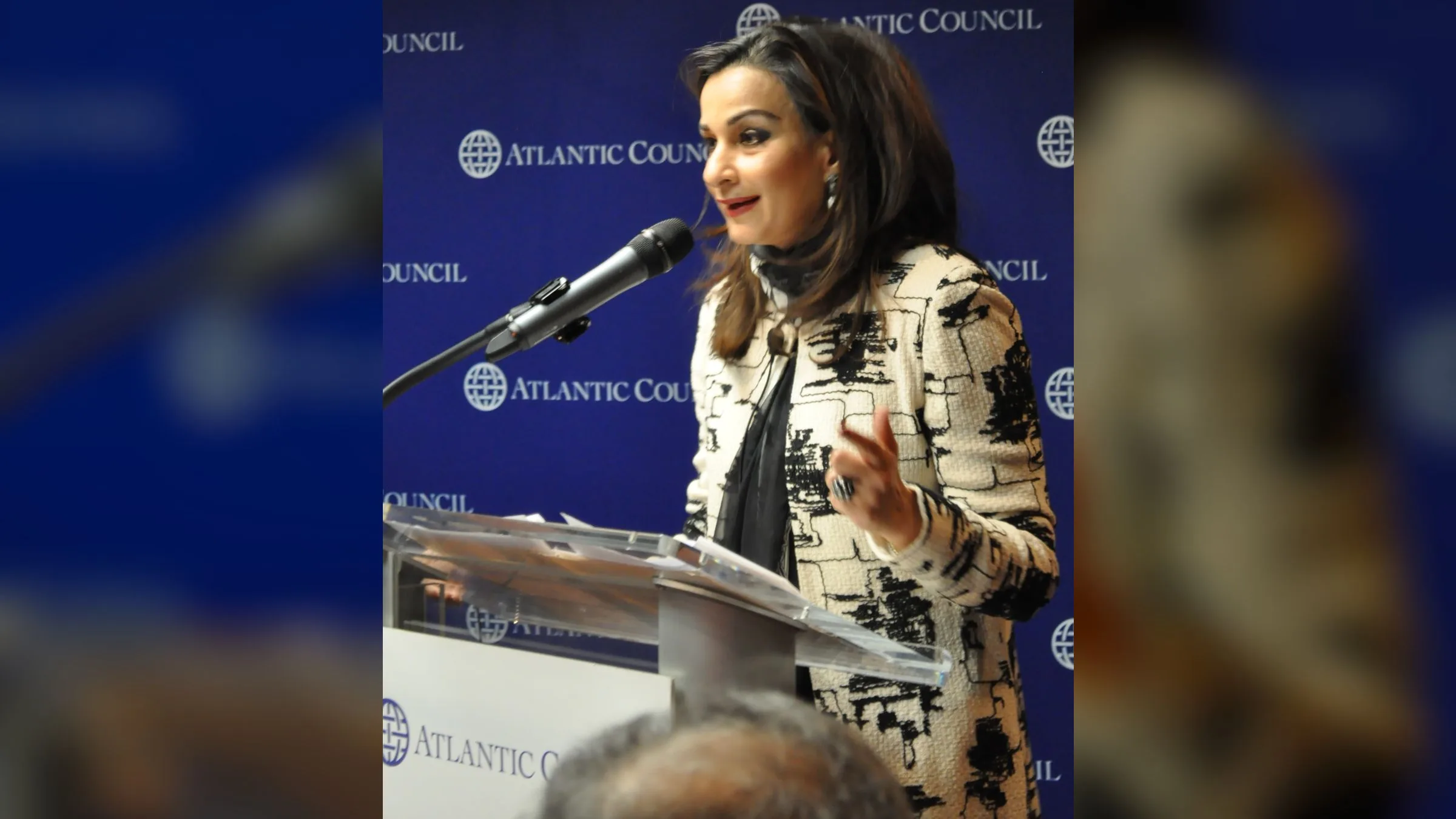
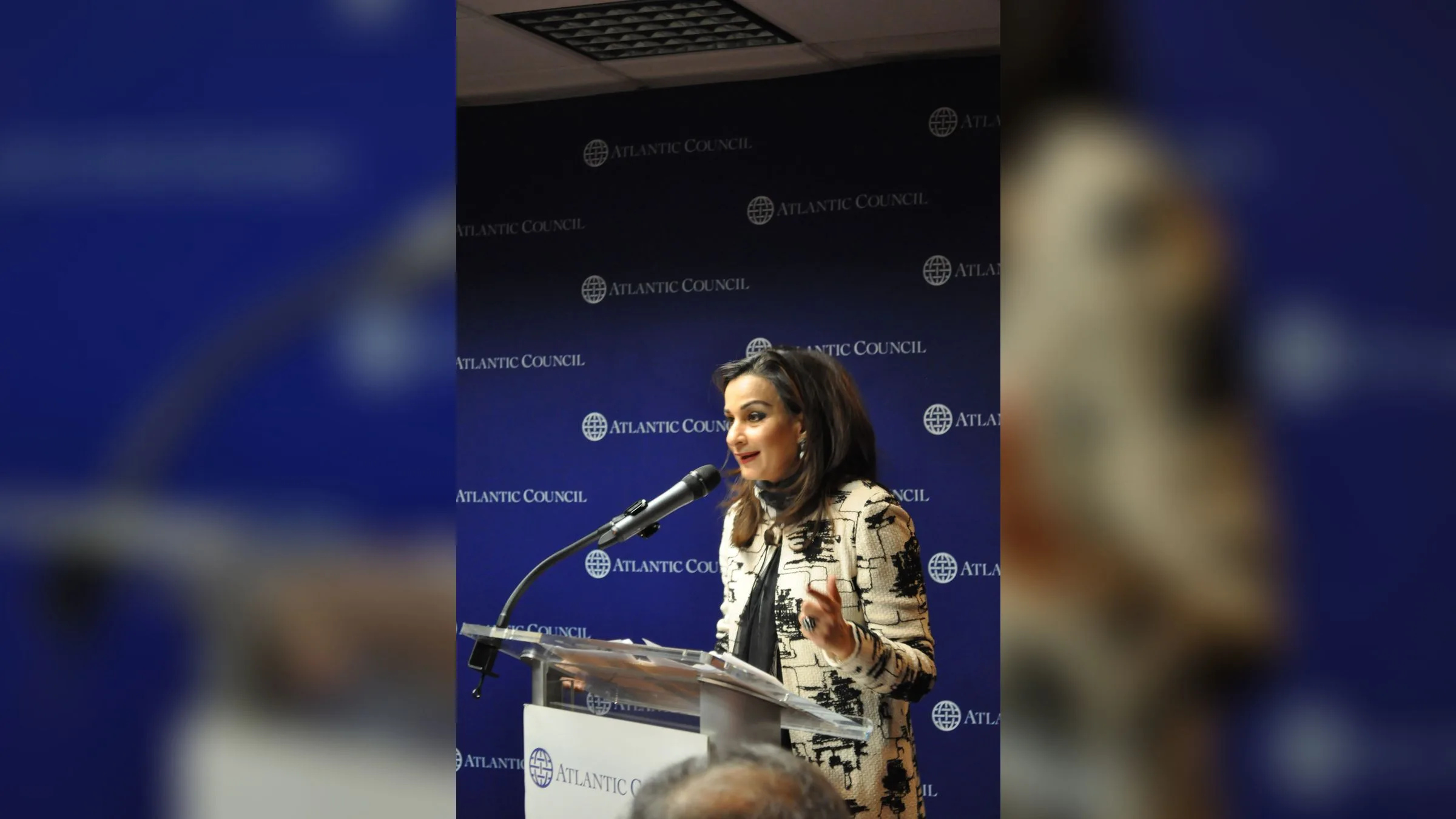
A Pakistan Peoples Party (PPP) delegation on Friday asked the opposition to join a proposed parliamentary committee on electoral reforms, calling on Senate Opposition Leader Allama Raja Nasir Abbas to deliver the invitation, Dawn reported. Senator Sherry Rehman said Abbas had promised to respond after consultation.
“He told us that he will respond [to the proposal] after consultation. We are hopeful that their response will be positive,” Rehman said in a video statement after the meeting.
Who went and what was said
The delegation included the party’s secretary general, Nayyar Bokhari, and Senators Waqar Mehdi, Nadeem Afzal Chan and Rehman herself. Rehman said every political party should make sure it takes part in the committee. Because the PTI has boycotted parliamentary committees, she said, the PPP had asked it to join this one, “play an active role in it, express their reservations and suggest reforms”. She described committees as the “heart of parliamentary work” and urged the PTI to take part in the other committees too, to “strengthen Parliament’s role”. She said Abbas welcomed the delegation and thanked PPP chairman Bilawal Bhutto-Zardari for the invitation.
How the proposal came up
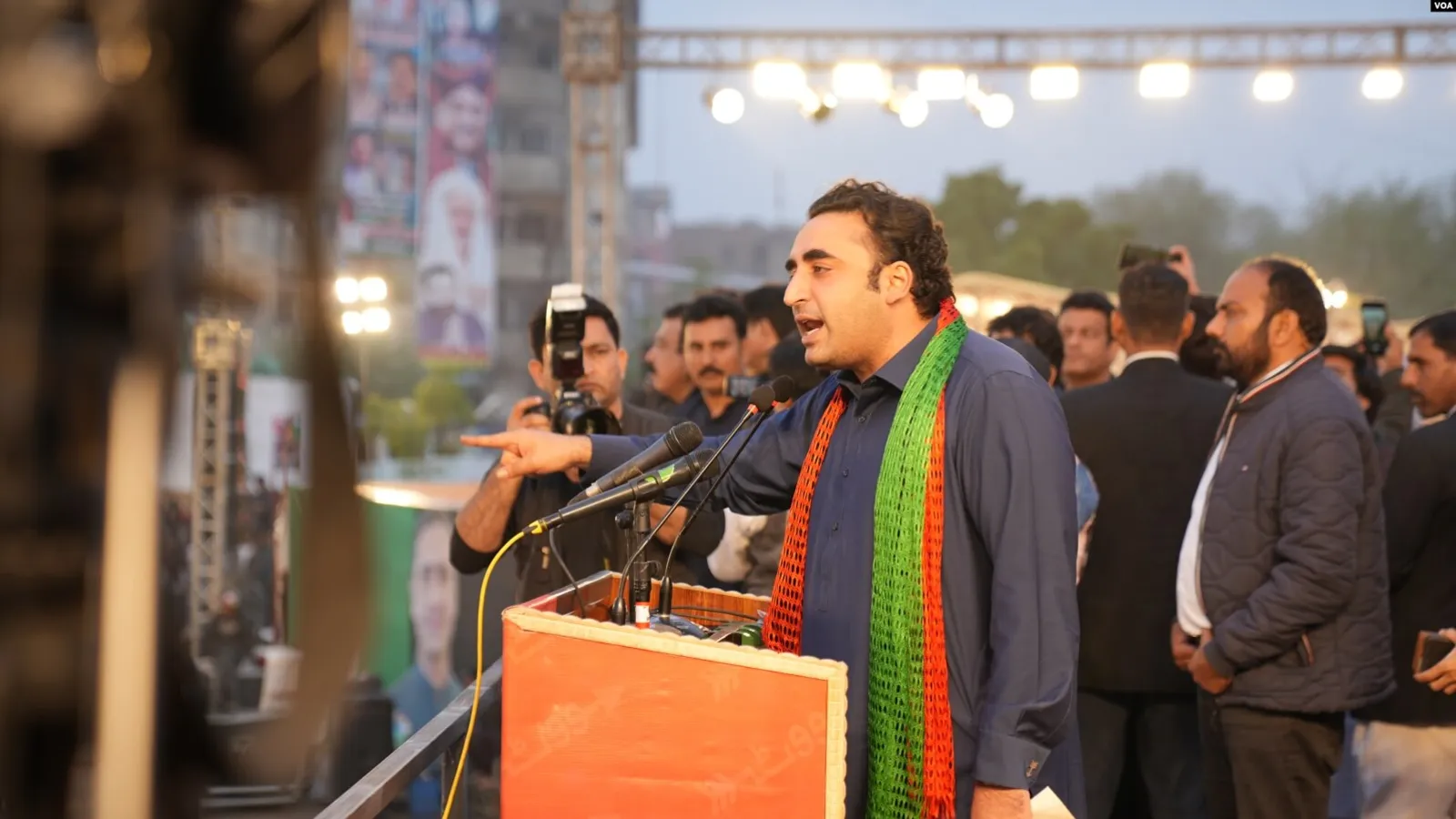
Bilawal shared the proposal in the National Assembly on Thursday. He said Parliament had decided to form a committee on electoral reforms after a PPP request and asked Opposition Leader in the National Assembly Mehmood Khan Achakzai to nominate a representative, since the opposition had called electoral rigging a “fundamental issue”. A day earlier than Friday’s meeting, another PPP delegation had called on Achakzai, who sought time to consult before responding, according to Raja Pervez Ashraf. Ashraf told a press conference that the PPP wanted the PTI to join the parliamentary standing committees as well as the electoral reforms committee.
PTI lawmakers had quit the parliamentary standing committees last year on the directive of their party chief.
Context
Earlier this month, at a rally in Karachi, Bilawal had also offered an olive branch to opposition parties, saying positive engagement with the federal government could result in a reversal of governor’s rule in Khyber Pakhtunkhwa. Our report on Bilawal’s remarks calling governor’s rule a political ‘atomic bomb’ has the background. Since then, the government has said governor’s rule will end after six months; see our report on the six-month limit announced in the National Assembly. Separately, JUI-F chief Fazlur Rehman has proposed a new Charter of Democracy, which we covered in Fazl’s call for a new charter and the PTI’s consultations.
Why it matters
The invitation tests two things at once. For the government and its allies, it is a way to show they are open to the opposition’s main complaint, which is the fairness of elections. For the opposition, joining means sitting at the same table as parties it accuses of benefiting from rigging, while staying out leaves it without a say in any changes. The reports we drew on do not say what the committee’s terms of reference are, who will chair it or how long it will have to report, and these details will decide whether it is a real negotiation. The first signal will be the answers from Achakzai and Abbas, and whether the PTI, which has stayed out of committees, changes that position.
This article draws on reporting by Dawn.
Comments
Comments are reviewed by our editors before they appear. Please keep them civil and on topic. See our terms.
No comments yet. Be the first to share your view.