

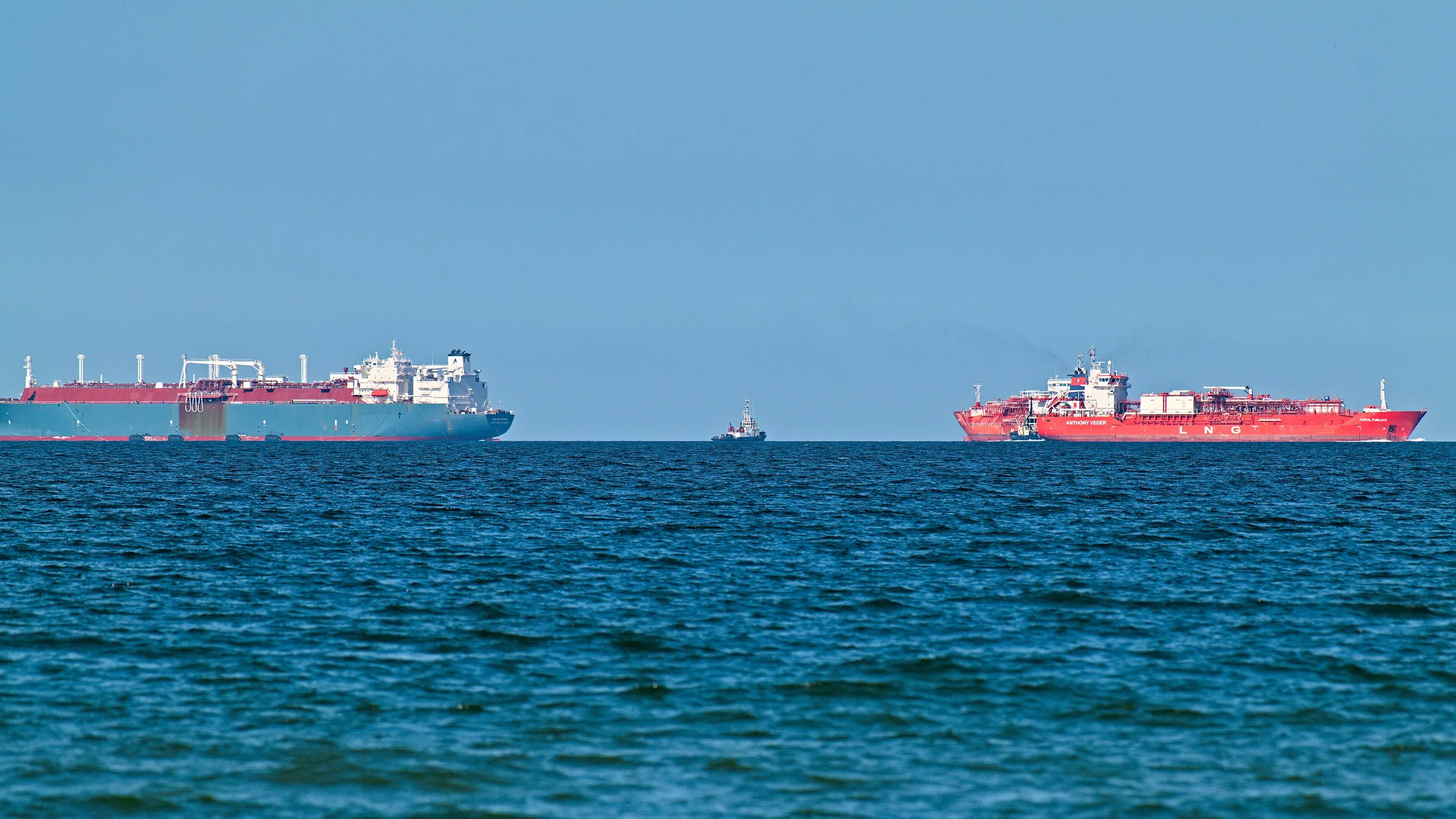
Pakistan and Qatar are close to a revised deal on liquefied natural gas (LNG), with QatarEnergy’s final offer pricing cargoes at 11.96 per cent of the Brent oil price for both of Pakistan’s long-term contracts, sources in Pakistan State Oil (PSO) told The Express Tribune. The sources said the price was final and the decision now lay with the government.
What Qatar has offered
Pakistan has two long-term LNG contracts with QatarEnergy, both expiring in 2031. The first is a 15-year agreement that began in 2016 and the second a 10-year agreement from 2021. Both were signed between governments, with PSO as the buyer.
According to the sources, Pakistan asked QatarEnergy to lower the price on the first contract from 13.37 per cent of Brent to 10.20 per cent, and to leave the second at 10.20 per cent for all future supply. QatarEnergy turned down the first request but agreed to a reduction to 11.36 per cent for both contracts. It then asked for 11.98 per cent on the second contract, and its final offer is 11.96 per cent for both. The Tribune’s report gives both 11.36 and 11.96 per cent, and the headline and summary treat 11.96 as the latest figure. We have used that figure.
The offer is for 66 cargoes a year, compared with 108 cargoes (6.75 million tonnes a year) in the present contracts. The sources said 210 cargoes would be deferred over four years after 2031. PSO is asking the government for approval by November 3.
How the review came about
Under the contracts, the price can be reviewed after a set period. QatarEnergy sent a price review notice on the second contract on March 7, and PSO sent one on the first contract on March 19. If the parties agree a new price, it applies to the rest of the supply period and neither side can ask for another review. If they cannot agree within six months of the notice, either side may end the first agreement, effective at the end of that contract year. The Tribune says this gives Pakistan three choices: negotiate a revised price, accept the existing one if talks fail, or terminate and risk its supply. On the second contract, the price has to fall within the range of comparable LNG contracts.
Both deals are take-or-pay, so Pakistan pays for cargoes whether or not it needs them, and there is little room to divert them. Any profit on surplus cargoes sold abroad goes to QatarEnergy, while any loss falls on PSO. Because power-sector demand has fallen, the gas network has had more LNG than it needs. In 2023 the government allowed PSO to talk to QatarEnergy about two fewer cargoes a month, and 24 cargoes were cut from the 2026 delivery plan.
Background
Qatari supplies have been disrupted by the Middle East war. In September QatarEnergy told Pakistan and Bangladesh that deliveries would stay suspended through November, with the Strait of Hormuz still closed; our report on Qatar’s LNG force majeure for Pakistan has the details. Pakistan has since planned to buy 10 spot cargoes this winter at about double the Qatari price, as we reported in Pakistan’s winter LNG plan.
Why it matters
Gas prices flow straight into power bills and industry costs, so a few tenths of a percentage point on the Brent slope matter over a contract that runs to 2031. Brent is now above $110, which makes the slope more costly than it would be in a quiet market. The questions that remain are whether the cabinet accepts a cut that is smaller than the one Pakistan asked for, what the smaller volume means if the Hormuz route reopens, and how the deferred cargoes will be used after 2031. The reports we drew on do not say whether the cabinet has set a date to take up the proposal.
This article draws on reporting by The Express Tribune.

Comments
Comments are reviewed by our editors before they appear. Please keep them civil and on topic. See our terms.
No comments yet. Be the first to share your view.