

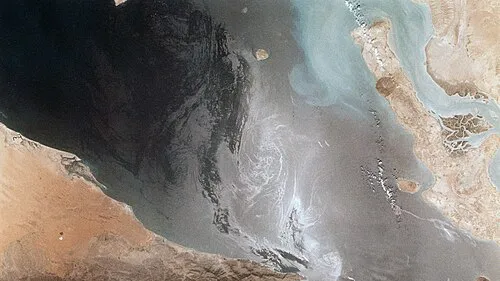
Oil prices rose on Thursday on worries about supply from the Middle East, as attacks on shipping in the Gulf and the Strait of Hormuz increased and a hurricane forced US producers to shut offshore output.
Brent crude futures were up $2.28, or 2.28 per cent, at $102.28 a barrel by 0427 GMT, The Express Tribune reported. US West Texas Intermediate (WTI) crude gained $1.66, or 1.88pc, to $89.94.
Prices had settled lower on Wednesday after the International Energy Agency (IEA) agreed to speed up the release of emergency oil stocks and to prioritise diesel, under a plan launched in March to tackle record fuel prices and supply disruptions caused by the Iran war.
Attacks at a wartime high
Threats to shipping in the Gulf and the Strait of Hormuz, which carried about 20pc of global oil and fuel shipments before the war, have increased in October as the US-Israeli conflict with Iran enters its eighth month.
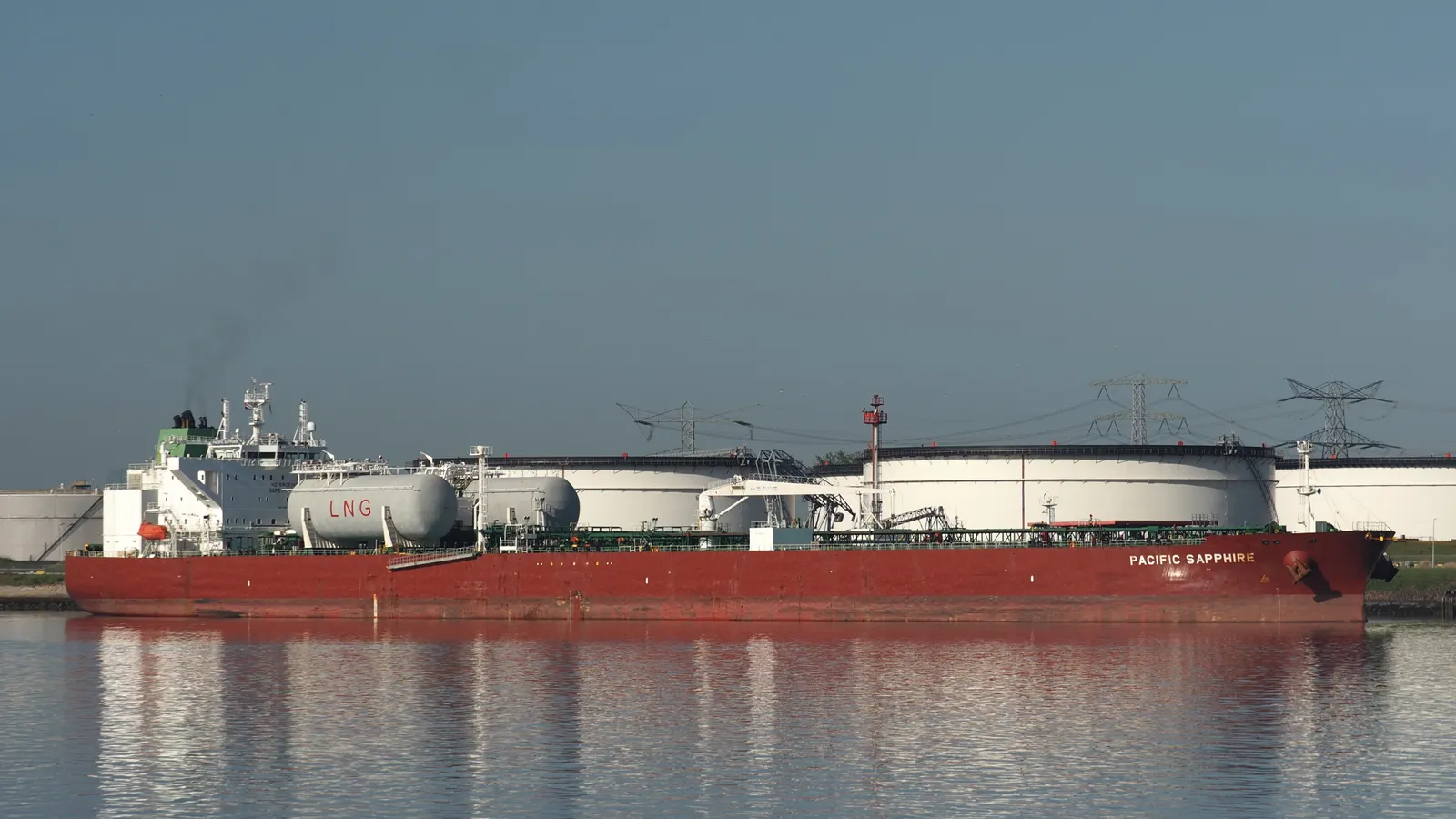
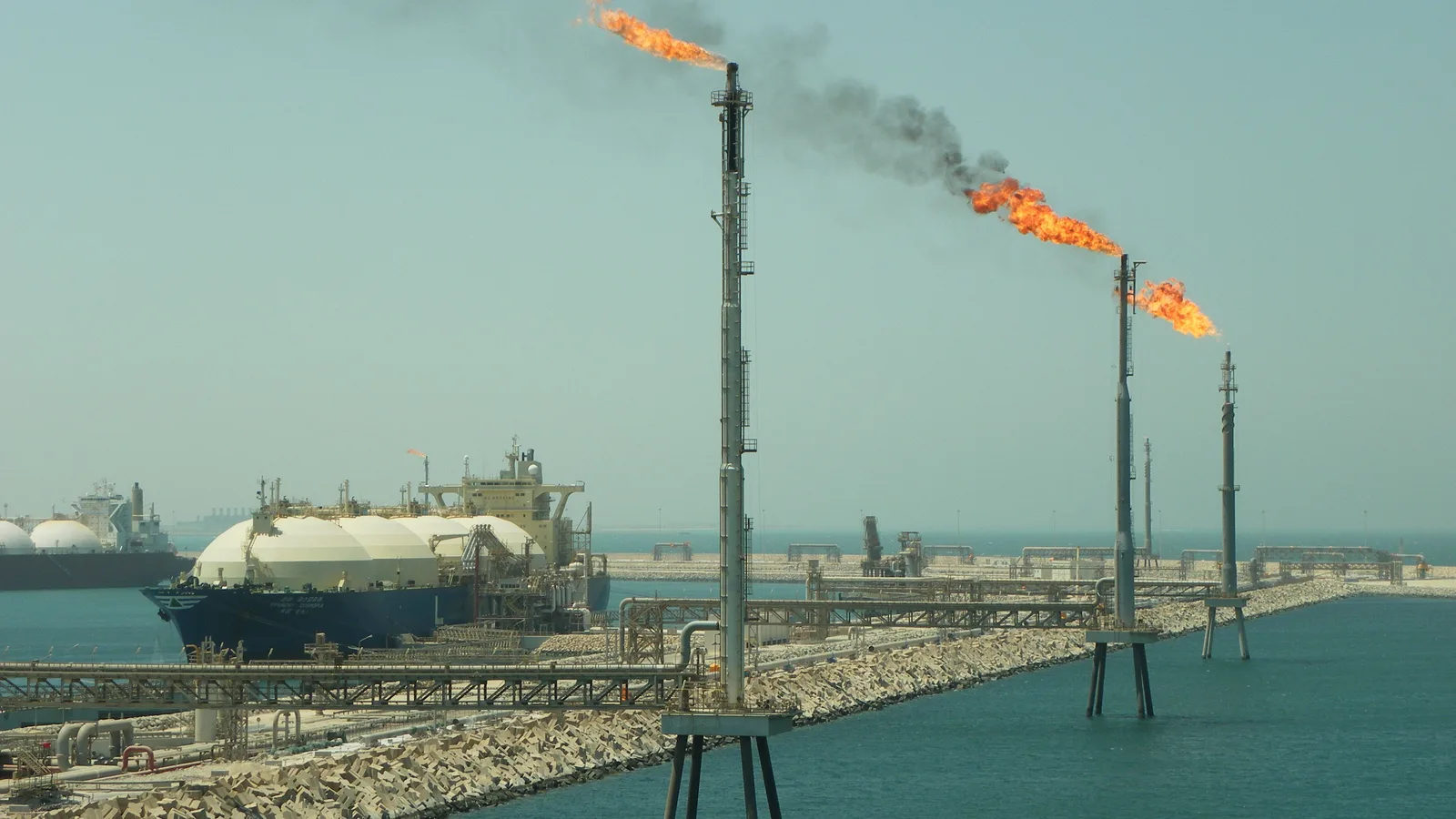
Attacks on tankers in the strait hit their highest weekly level last week since the war began, even as Gulf producers increased exports. More crude is now flowing out of the Gulf, but at higher cost and risk to cargoes and crews. In the latest attack, a tanker north of Qatar was struck by several projectiles, causing casualties, the UK Maritime Trade Operations agency said on Wednesday.
“The frequency of Iranian attacks on ships is now at the highest point since the war began, and likely to intensify further,” said Saul Kavonic, head of energy at MST Marquee. He said constrained product flows, extreme logistics costs and the high likelihood of escalation were keeping prices elevated.
Stock release adds little new oil
ANZ analyst Daniel Hynes said the IEA’s latest release would probably come from barrels already in the group’s original 400-million-barrel plan from the start of the conflict, so it did not appear to be an extra draw on strategic reserves.
“Ultimately, strategic stock releases can augment supply flows temporarily but do not create new production capacity,” he said.
Hurricane shuts US output
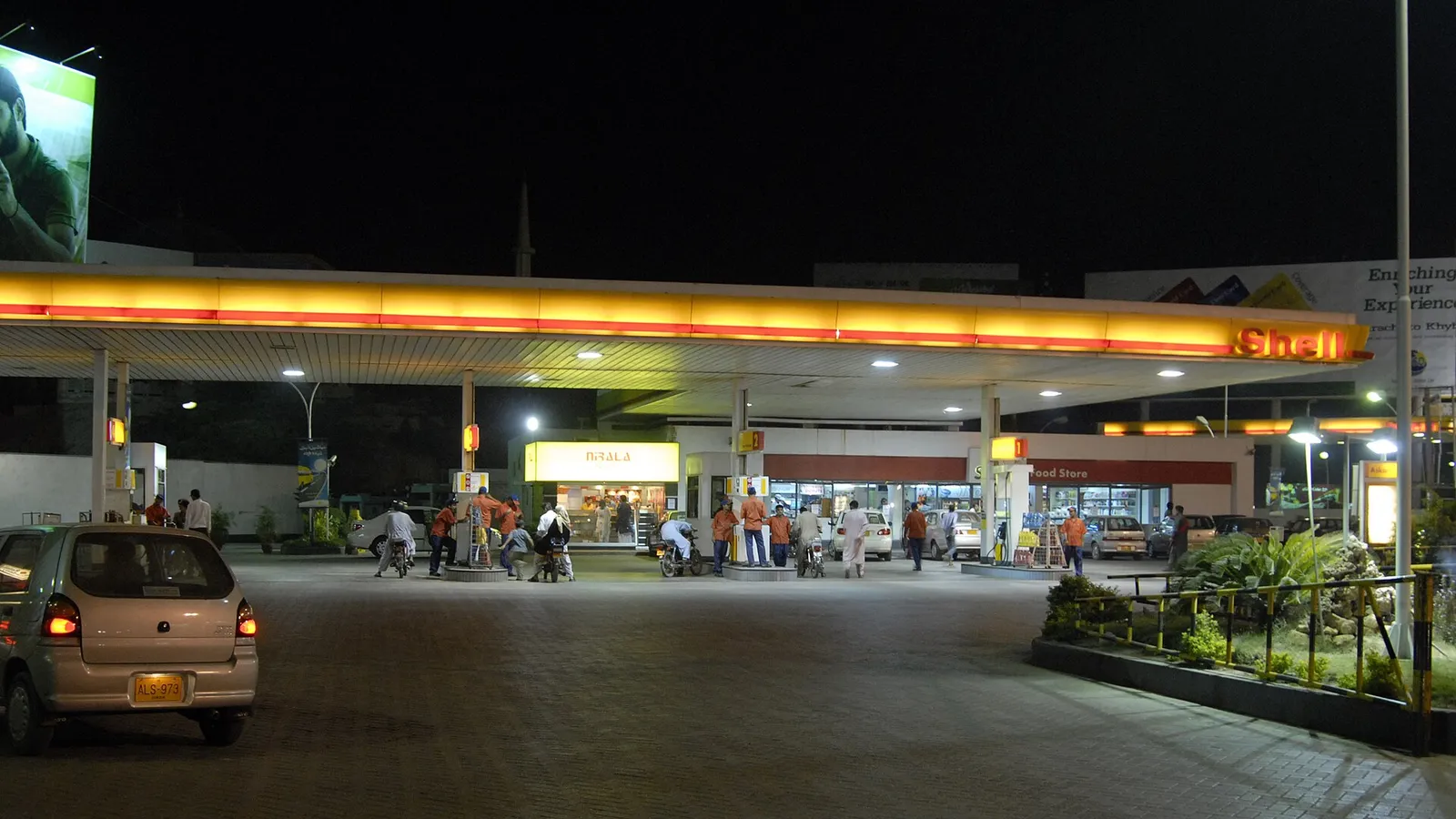
Prices were also supported by supply cuts in the United States, the world’s biggest oil producer, as Hurricane Isaias moved towards offshore production areas. Shell and Chevron said they were curtailing operations in the Gulf of Mexico.
By Wednesday, producers in the US Gulf had shut in about 25.08pc of oil production and 16.37pc of natural gas production because of the storm, according to the Marine Minerals Administration.
US inventory data also supported prices:
- crude stockpiles fell by 3.2 million barrels to 424.1 million barrels in the week to October 2, against a forecast fall of 1.7 million barrels
- distillate stocks, including diesel and jet fuel, fell by 42,000 barrels to 105.14 million barrels, well below their usual level for this time of year over the past five years
Why it matters for Pakistan
Global oil prices feed into fuel costs in Pakistan, where the government last changed petrol and diesel prices on October 6. The IMF, in its staff-level agreement with Pakistan on Thursday, warned that volatile energy prices remain one of the main risks to the economy.
This article draws on reporting by The Express Tribune and Dawn.

Comments
Comments are reviewed by our editors before they appear. Please keep them civil and on topic. See our terms.
No comments yet. Be the first to share your view.