

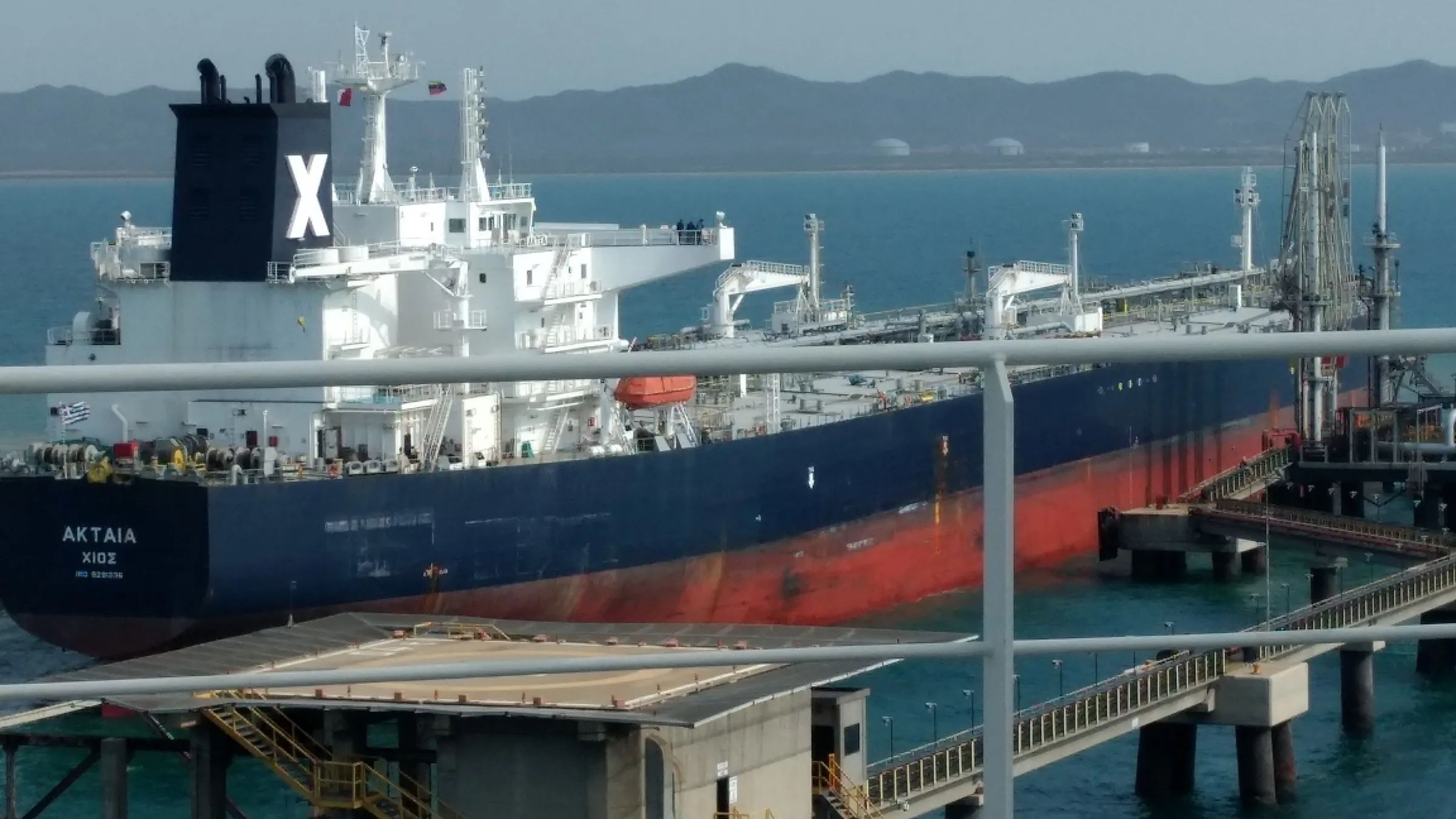
Oil prices rose on Thursday after more Houthi attacks on Saudi Arabia prompted the United States to order some diplomats and their families to leave its missions in the kingdom, The Express Tribune reported, citing Reuters.
Brent crude futures rose $1.29, or 1.2%, to $110.11 a barrel, while US West Texas Intermediate (WTI) gained 97 cents, or 1%, to $98.12. Brent had settled largely unchanged on Wednesday, while WTI had eased 67 cents, so Thursday’s gains came as fresh attacks were reported.
Prices at a glance
| Benchmark | Price | Change |
|---|---|---|
| Brent crude | $110.11 | up $1.29 (1.2%) |
| US WTI | $98.12 | up 97 cents (1%) |
What moved the market
The US State Department plans to withdraw family members from several other US missions in the region, US officials told Reuters, after ordering non-emergency staff to leave Saudi Arabia.
Yemen’s Houthis hit several targets on Wednesday. At least one person was killed and eight were wounded at a civilian airport in Dammam, and two people were killed in a drone attack on a Saudi oilfield.
Explosions were also heard in Sirik in southern Iran, Iranian media said, without giving their cause.
Iran’s Foreign Minister Abbas Araghchi told the Financial Times that Iran was fully prepared to defend itself, and President Masoud Pezeshkian said the US could not expect dialogue while it blockades and threatens Iran.
Shipping under fire
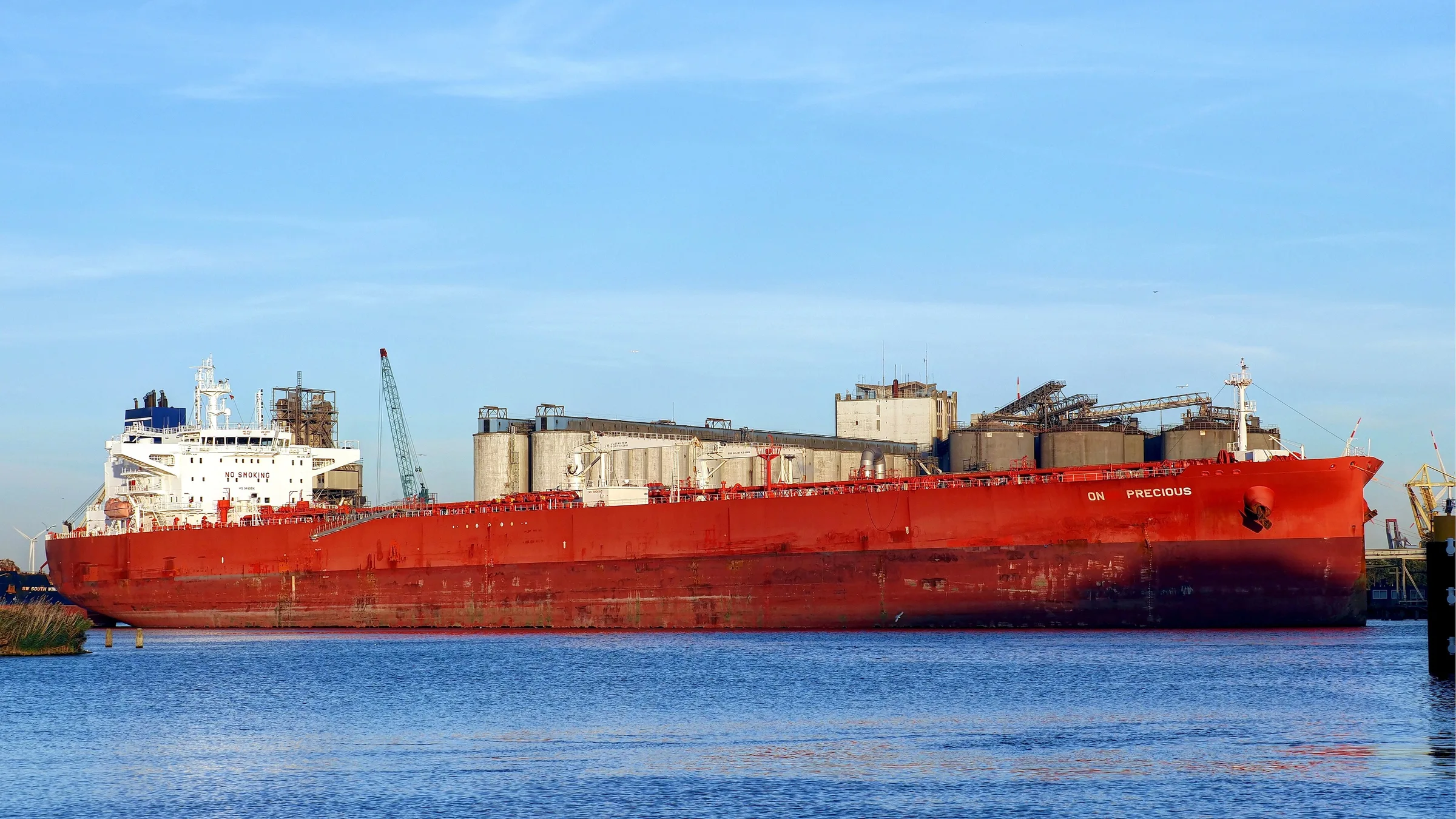
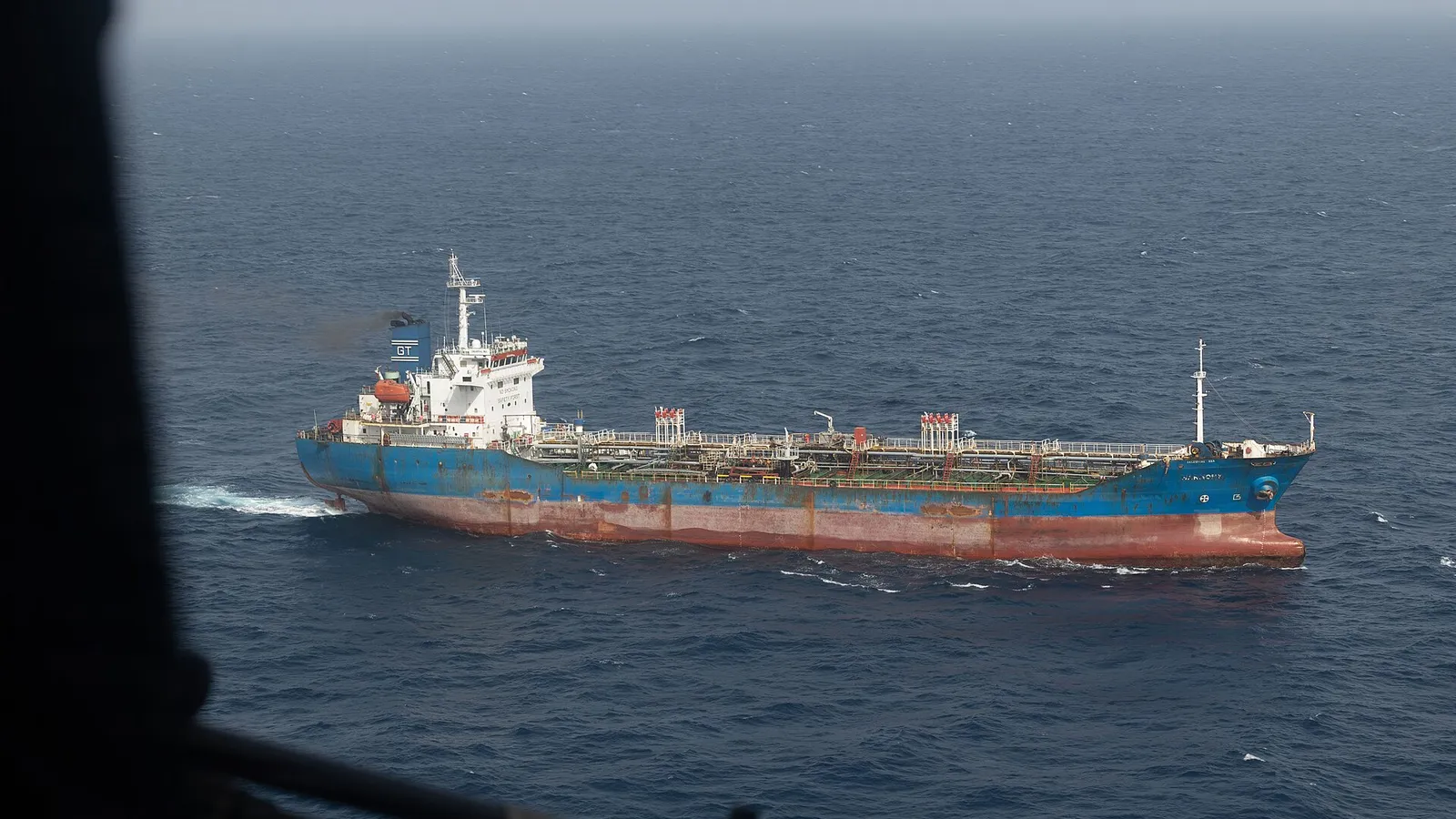
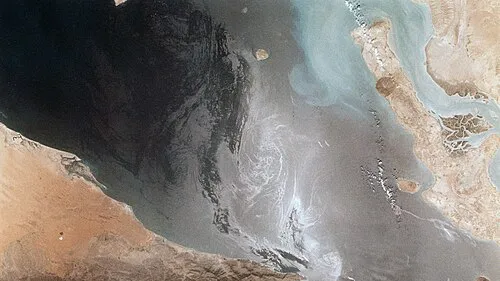
There were at least 18 attacks on shipping in the past two weeks, according to Kpler data. LSEG analysts warned that Iran was targeting tankers well beyond the Strait of Hormuz, reaching into the Gulf of Oman. That puts Gulf crude loadings and the ship-to-ship transfers that support them at risk.
On Thursday, Iran’s Revolutionary Guards also said seven vessels had been hit in the Gulf, four by its forces and three by mines.
Ukraine talks and US stocks
Russian President Vladimir Putin hosted US envoy Steve Witkoff in St Petersburg on Wednesday, and the Kremlin said Putin had agreed to resume US-mediated peace talks with Ukraine as early as next month. Ukrainian President Volodymyr Zelenskiy said he supported the talks.
In the US, crude stocks fell by 3.06 million barrels to 412.5 million barrels last week, the Energy Information Administration said, compared with the 820,000-barrel draw analysts had expected. Distillate stocks, which include diesel and heating oil, rose by 1.68 million barrels to 104.3 million barrels, against forecasts of a 1.16 million-barrel drop.
The Trump administration is offering to lend up to nearly a third of the 1-million-barrel US emergency heating oil reserve, the Department of Energy said, to contain prices that have surged on diesel shortages caused by the wars in Iran and Ukraine.
What it means for Pakistan
Pakistan imports most of its fuel and now sets petrol and diesel prices daily, so global moves reach local pumps quickly. The government cut petrol by Rs2.71 a litre for Thursday, when Brent was near $109. A sustained rise above $110 could feed into the next price notifications.

Comments
Comments are reviewed by our editors before they appear. Please keep them civil and on topic. See our terms.
No comments yet. Be the first to share your view.