


Oil prices fell on Friday after US President Donald Trump said the United States would not attack Iran before next month’s elections and spoke of “productive discussions” with Tehran to end the war.
Brent crude futures were down $1.37, or 1.3 per cent, at $102.91 a barrel by 0450 GMT, while US West Texas Intermediate fell $1.09 to $90.40, The Express Tribune reported, citing Reuters. Brent was still heading for a weekly gain after settling 4pc higher on Thursday.
Talks and a deadline
Trump said on Thursday that no attack was planned before the November 3 midterm congressional elections, after media reports that he had been weighing strikes before then.
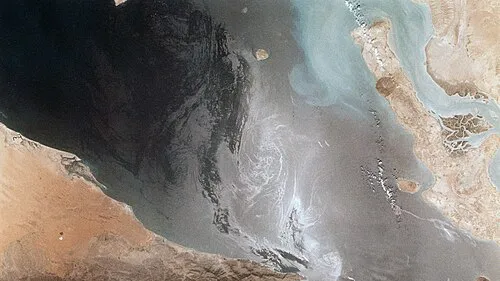
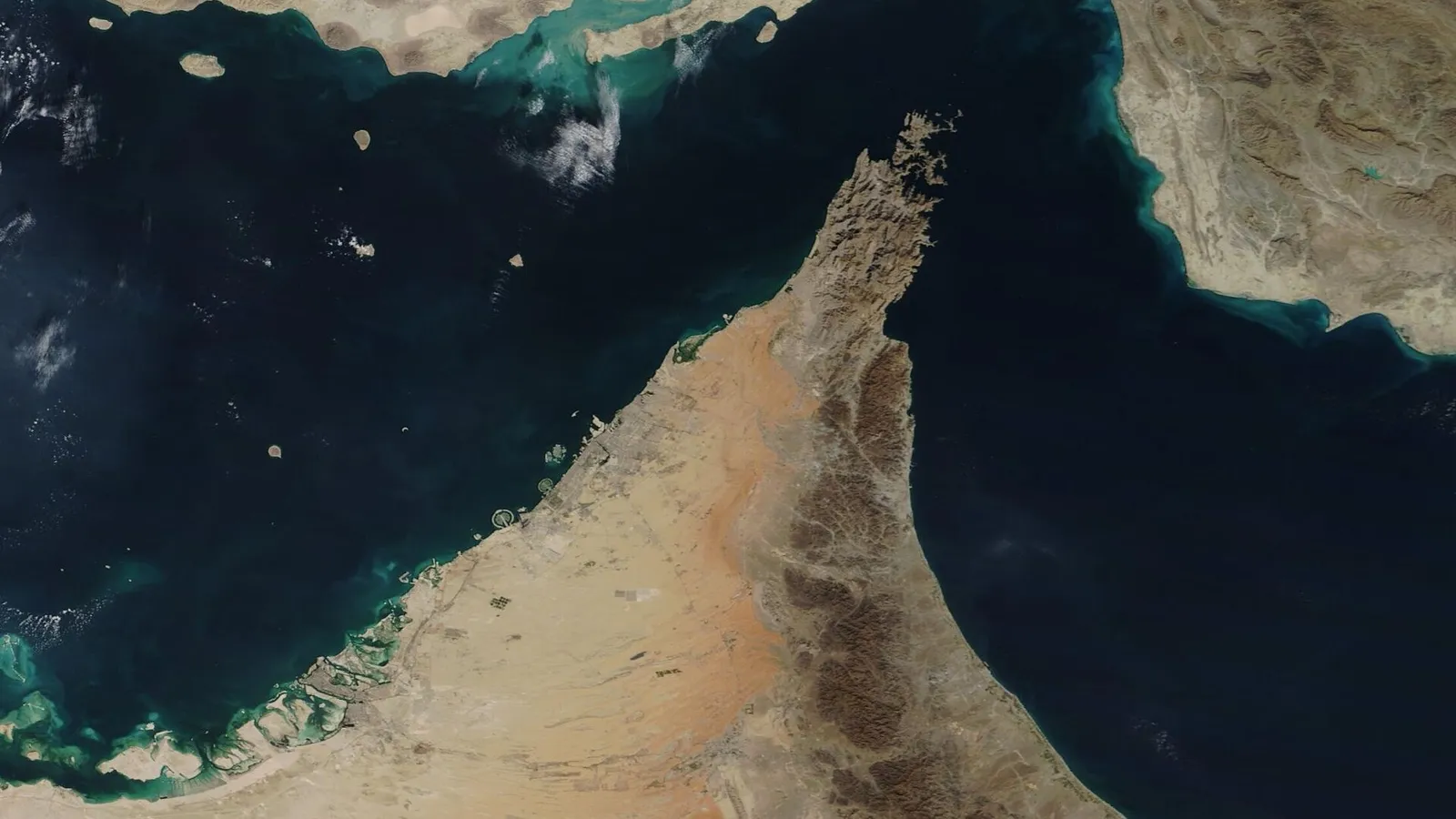
Iran’s Tasnim news agency reported that Foreign Minister Abbas Araghchi said Tehran was reviewing the US response to an Iranian proposal that would reopen the Strait of Hormuz within seven days.
“The prospect of easing tensions still needs to be reinforced by concrete progress in negotiations and improvements in shipping safety through the Strait of Hormuz,” said XS.com analyst Linh Tran.
Pressure continues
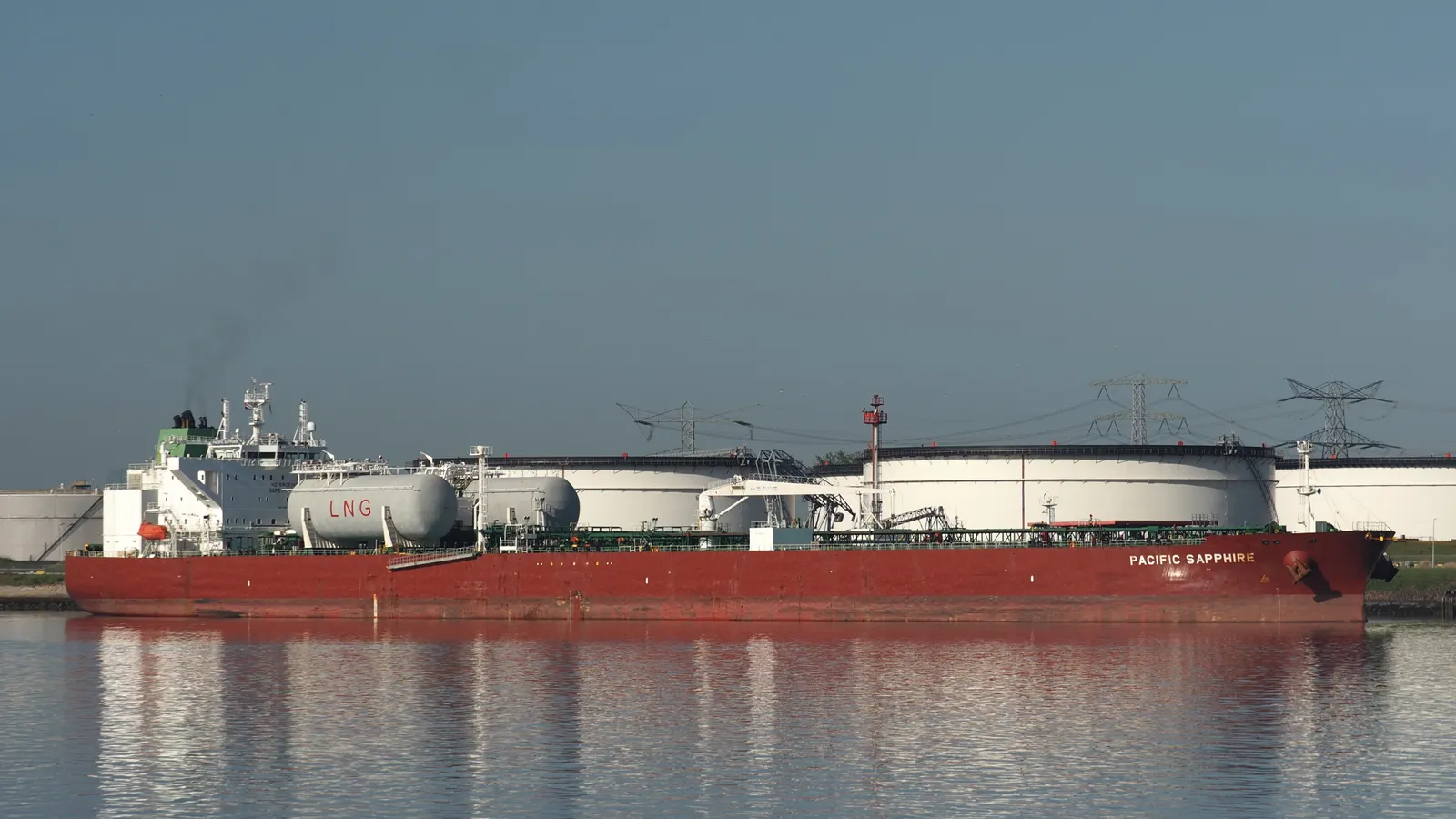
Washington is keeping up economic pressure. On Thursday it imposed sanctions on individuals, networks and 17 vessels for carrying Iranian crude, oil products and petrochemicals.
Tensions in the strait remain high. Iranian state broadcaster IRIB reported several powerful explosions in the southern passage of the Strait of Hormuz on Thursday, citing military sources who said tankers using “unauthorised” routes may have hit naval mines. It gave no details of the vessels or any casualties. Iran has warned ships against using routes it has not approved.
Supply factors
Other forces pulling on prices this week:
- Hurricane Isaias: producers in the US Gulf of Mexico had shut in about 1.3 million barrels a day, or 62.9pc of current oil output, as of Thursday
- China: the world’s top oil importer is set to resume refined fuel exports after its Golden Week holiday, which should ease tight diesel, petrol and jet fuel markets
- Stock release: the International Energy Agency agreed this week to speed up releases of emergency oil stocks and prioritise diesel
Carrier comes home
The war’s toll on US forces was also on show. The aircraft carrier USS Abraham Lincoln returned to San Diego on Thursday after a record 321-day deployment that included 265 consecutive days at sea without a port call, according to USNI News.
The Lincoln, carrying 5,000 sailors and Marines, was redirected to the Middle East when the US and Israel launched the war on February 28. Over the summer, media reported shortages of food and supplies and falling morale among the crew. Defence Secretary Pete Hegseth presented the crew with the Presidential Unit Citation and rejected attempts to make the ship “a symbol of dysfunction”.
Trump’s ‘Los Angeles’ remark
Trump also said on Thursday that his comment at a rally that Iran could “take out” Los Angeles or San Diego had been misinterpreted. He said he meant that a temporary rise in petrol prices was “a small price to pay for Iran not having a Nuclear Weapon”.
Why it matters for Pakistan
Global oil prices feed straight into Pakistan’s fuel costs, which are now revised daily.
This article draws on reporting by The Express Tribune and Reuters.

Comments
Comments are reviewed by our editors before they appear. Please keep them civil and on topic. See our terms.
No comments yet. Be the first to share your view.