
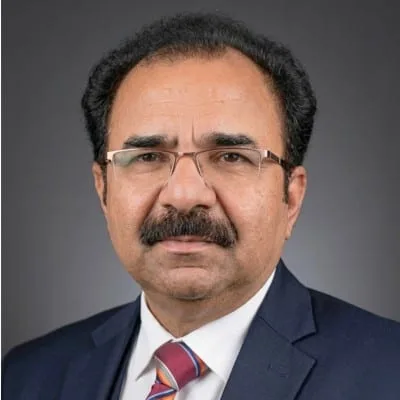

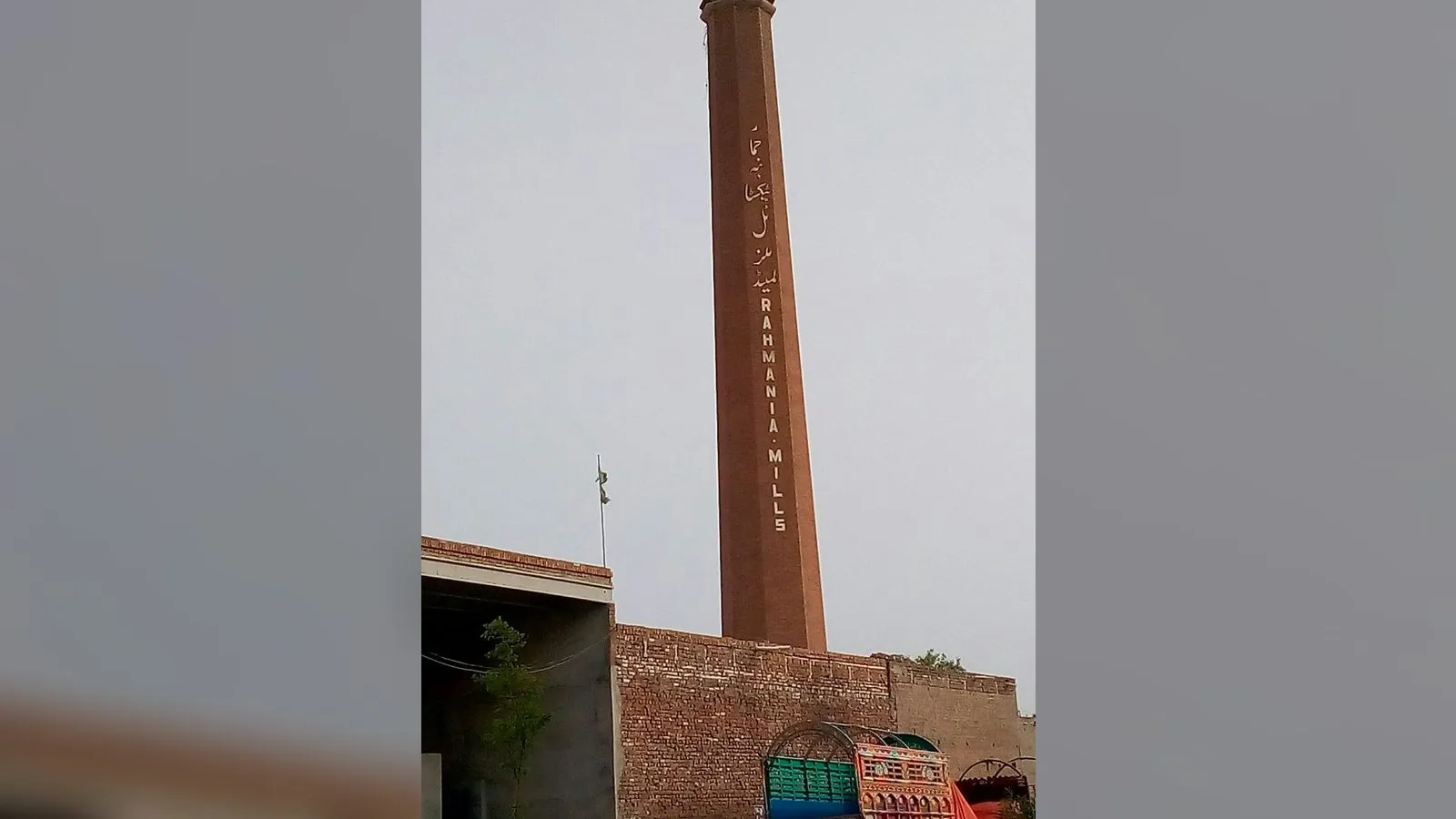
Pakistan’s cotton and ginning sector faces a complete halt, the industry has warned, as factory owners threaten nationwide shutdowns and strikes after the Federal Board of Revenue (FBR) carried out unannounced raids and record seizures in Sindh, Dawn reported.
“Locks broken, records seized”
The raids took place without prior notice in key cotton-producing hubs including Sanghar, Tando Adam and Shahdadpur. They have caused panic across the industry and forced several ginning factories to stop production suddenly, at a time when the economy is already in a severe slump.
At a press conference at PCGA House in Multan, Pakistan Cotton Ginners Association (PCGA) Chairman Sohail Mehmood Harral warned that the business community would have no choice but to shut every operating facility if the “harassment” under the jurisdiction of the Regional Tax Office (RTO) Hyderabad did not stop immediately.
PCGA officials said tax authorities forcibly broke factory locks and confiscated financial records, bypassing legal notice procedures.
Cotton Ginners Forum Chairman Ihsanul Haq said the tactics had sent shockwaves through ginning and oil mill operations across the country, threatening to derail the harvest season now under way.
Already under pressure
The ginners say the crackdown comes on top of:
- very high electricity tariffs
- rising production costs
- a sales tax burden of 18 to 22 per cent
Harral praised the RTOs in Multan and Bahawalpur for choosing dialogue over coercion, and urged the government to replace raids with standard legal notices so mill owners have a fair chance to comply without disrupting production.
Exporters warn of lost competitiveness
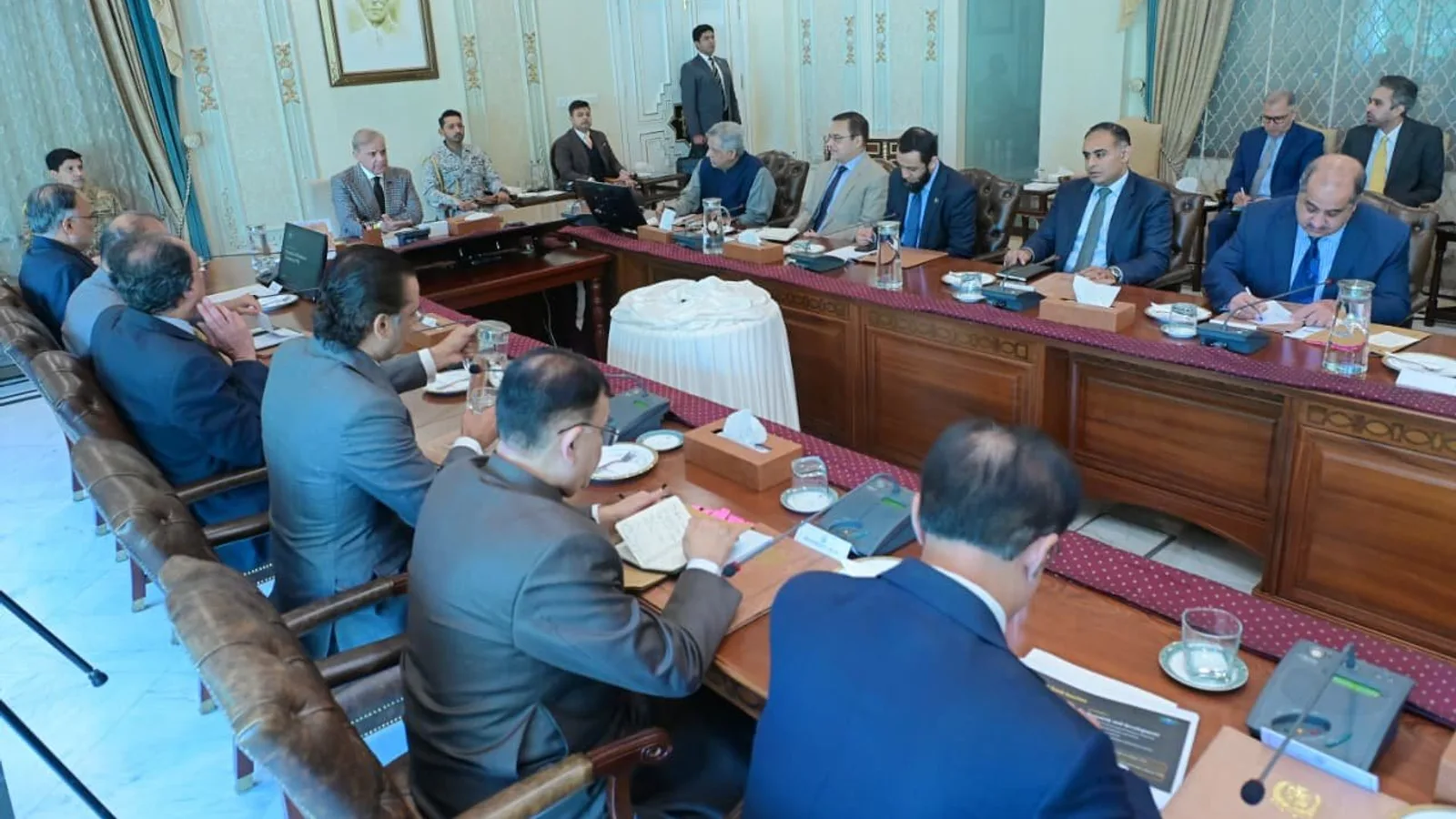
The ginners’ warning came as exporters raised their own alarm. At a meeting on Wednesday, Commerce Minister Jam Kamal Khan acknowledged mounting pressure from rising energy, transport and freight costs, higher taxes and shifting global trade conditions, Dawn reported.
He said the government was working directly with industry to find practical solutions through the ministries and regulators concerned, and stressed the need to diversify exports, promote value-added products and find new markets.
Exporters raised a long list of problems:
- Energy: high energy costs, the captive power gas levy and provincial infrastructure levies.
- Logistics: international shipping delays and port facilitation, with a call for more flexible payment settlement periods because of global disruption.
- Tax and banking: outstanding refunds, banking rules, business visas and international compliance.
- Sectors: meat exporters cited foot-and-mouth disease, sanitary rules and access to Gulf markets; mineral exporters raised limits on mining explosives and withholding taxes; surgical instrument makers called for better technology and skills.
Business representatives welcomed the Exim Bank scheme for exporters. The meeting was told of plans for a private sector-led livestock board, and FBR officials briefed exporters on faster refunds and digital invoicing.
Separately, Pakistan Hosiery Manufacturers and Exporters Association (PHMA) chairman Syed Zia Alamdar Hussain urged the government to restore the Export Facilitation Scheme in its original form. The PHMA said the recent fall in exports must be seen in the light of policy changes that have raised the cost of doing business and created serious cash flow problems for textile exporters.

Comments
Comments are reviewed by our editors before they appear. Please keep them civil and on topic. See our terms.
No comments yet. Be the first to share your view.